Associate Professor Zhen GAO’s group from the Department of Electronic and Electrical Engineering at the Southern University of Science and Technology (SUSTech) has recently reported, for the first time, topological vortex and antivortex transport in a three-dimensional photonic disclination metamaterial.
Their paper, entitled “Topological vortex and antivortex transport in a three-dimensional photonic disclination metamaterial,” has been published in Physical Review Letters, one of the most prestigious journals in physics.
The discovery of vortex and antivortex modes carrying orbital angular momentum has brought revolutionary breakthroughs to the field of modern optics and found extensive applications in numerous areas such as optical communications and quantum information. However, constrained by the intrinsic properties of electromagnetic waves, such modes exhibit poor stability when exposed to environmental interference, structural defects, and mode coupling. How to achieve lossless, stable, and robust transmission of orbital angular momentum remains a critical challenge that urgently needs to be addressed in this field.
Topological disclination lattice defects offer a novel solution to this problem and demonstrate significant practical value in enabling robust transmission of vortex and antivortex modes that combine orbital angular momentum with strong topological protection. To date, relevant research has been mostly confined to two-dimensional (2D) systems, as illustrated in Figure 1(a). Owing to the vector nature of electromagnetic waves in three-dimensional (3D) space, the transmission of topological vortices and antivortices carrying orbital angular momentum has not been reported to date.
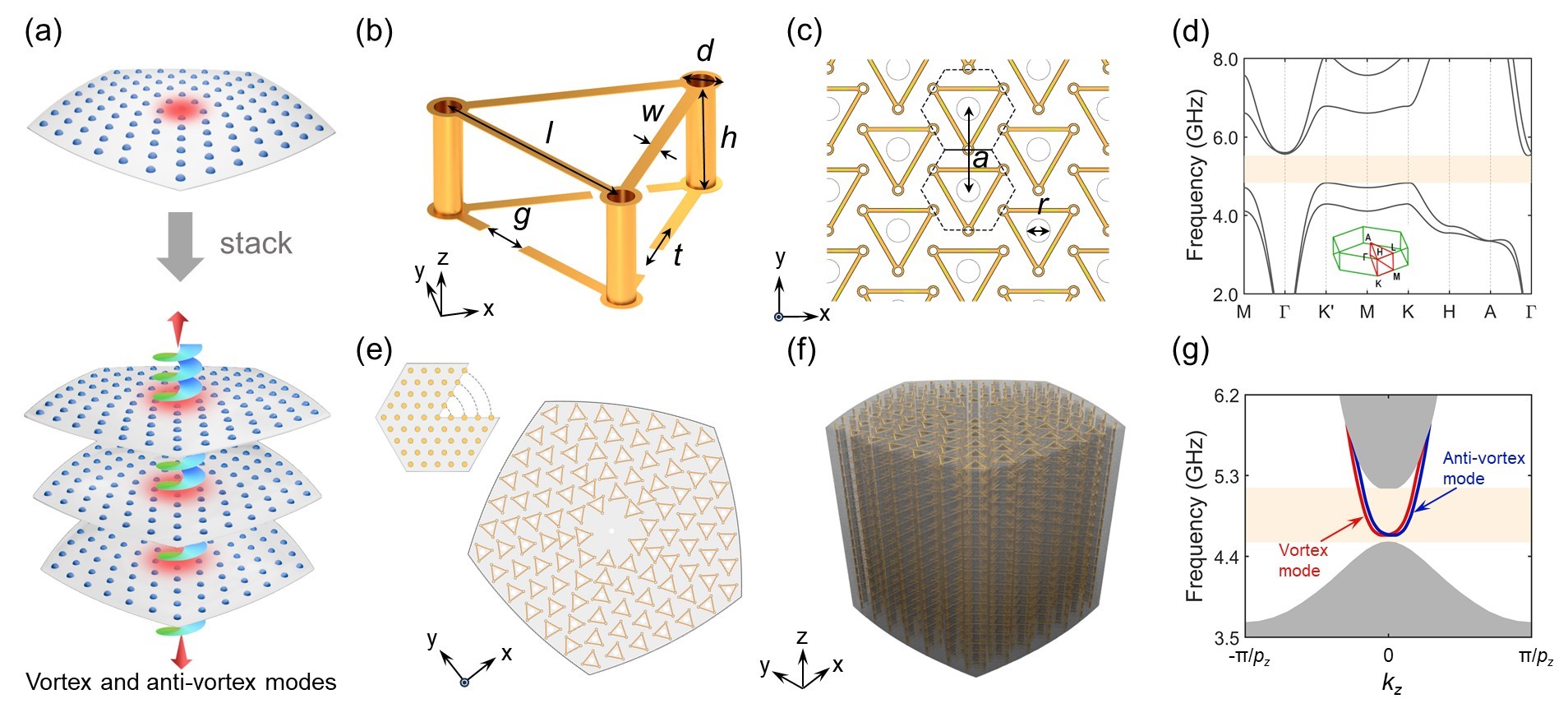
Figure 1. Topological vortex and antivortex transport in a 3D photonic disclination metamaterial
To extend the propagation of topological vortex and antivortex modes from two-dimensional photonic systems to three-dimensional ones, the group first constructed a 2D disclination lattice, which was then vertically stacked and interlayer-coupled to obtain a quasi-3D structure (Figure 1(a)). This structure can support the robust one-dimensional (1D) propagation of topological vortex and antivortex transport, and such modes are confined to the 1D disclination line defects and propagate stably along them. To achieve this unique propagation characteristic, the research team designed a 3D photonic metamaterial composed of three interconnected metallic split-ring resonators (Figure 1(b)-(c)), whose bulk bands possess an ultra-wide 3D photonic full bandgap (Figure 1(d)).
By introducing disclination defects (Figure 1(e)), the metamaterial can simultaneously support 1D propagation of topological vortices and antivortices within the bandgap (Figure 1(g)). Further characterization results (Figure 2) show that both topological vortex and antivortex modes are tightly localized at the disclination core, possess opposite orbital angular momenta, can be selectively excited by corresponding chiral sources, and propagate stably along the 1D disclination line defects. In addition, this 3D photonic disclination metamaterial can also support the simultaneous propagation of topological vortex and antivortex transport carrying high-order orbital angular momentum.
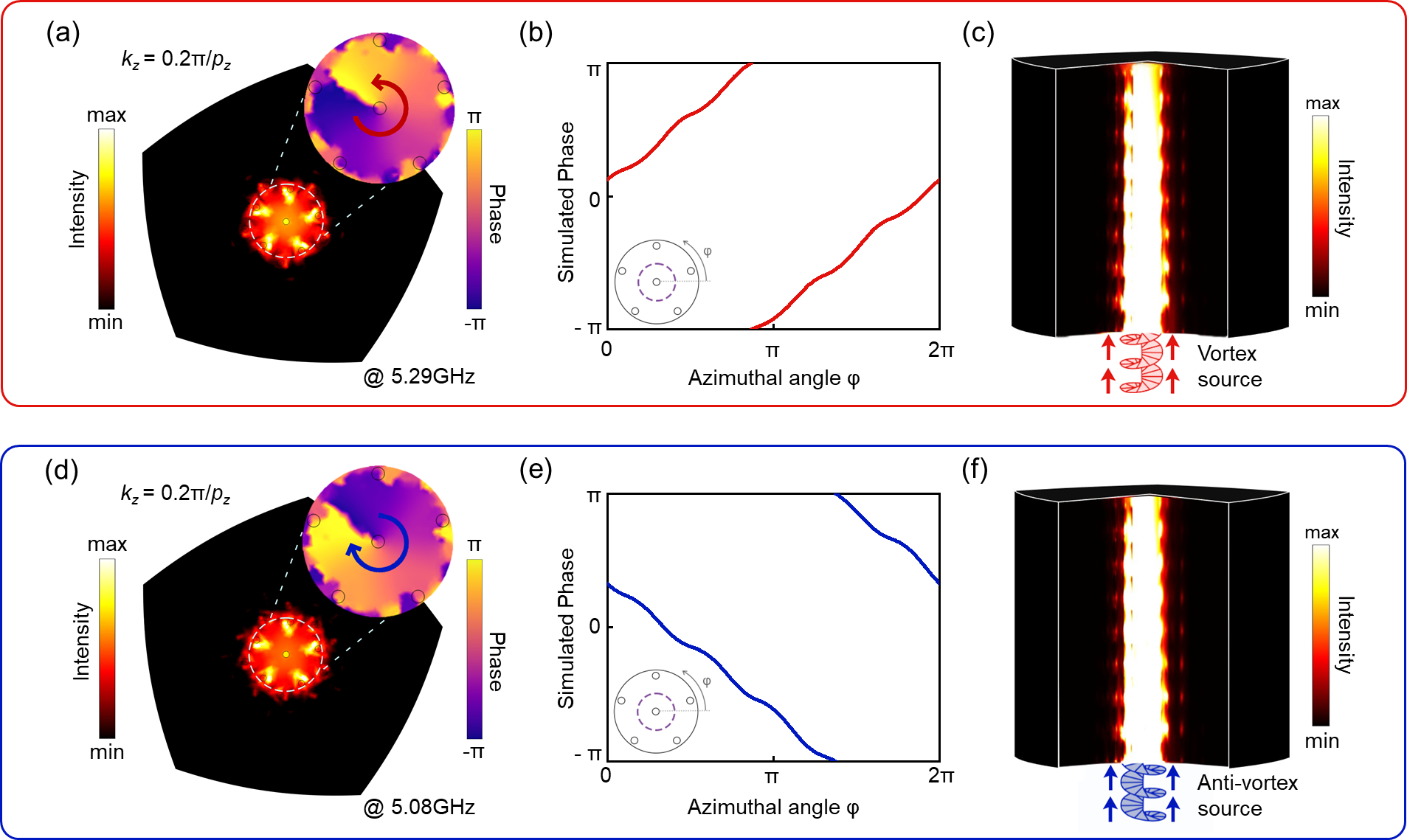
Figure 2. Intensity and phase distributions of the topological vortex and antivortex modes.
The group further verified the propagation characteristics of topological vortices and antivortices through experiments, in which the samples were fabricated by assembling printed circuit boards (Figure 3(a)). Using the experimental setup shown in Figure 3(d), the team first measured the bulk propagation spectrum (gray line in Figure 3(e)) and identified the 3D bandgap (orange region). Subsequently, the propagation spectra excited at the upper and lower surfaces were measured and compared (blue and red lines in Figure 3(e)), revealing two transmission peaks within the bandgap, corresponding to the topological vortex and antivortex modes propagating upward and downward, respectively. The electric field distributions at 4.7 GHz (Figures 3(f)–(g)) show that both modes are confined to and propagate along the 1D disclination line defects, which are in excellent agreement with the simulation results in Figures. 2(c) and 2(f). The experimentally measured dispersion relations obtained via Fourier transform (Figures 3(h)–(i)) also show good consistency with the simulation results (red and blue lines), which fully confirms the reliability of the experimental conclusions.
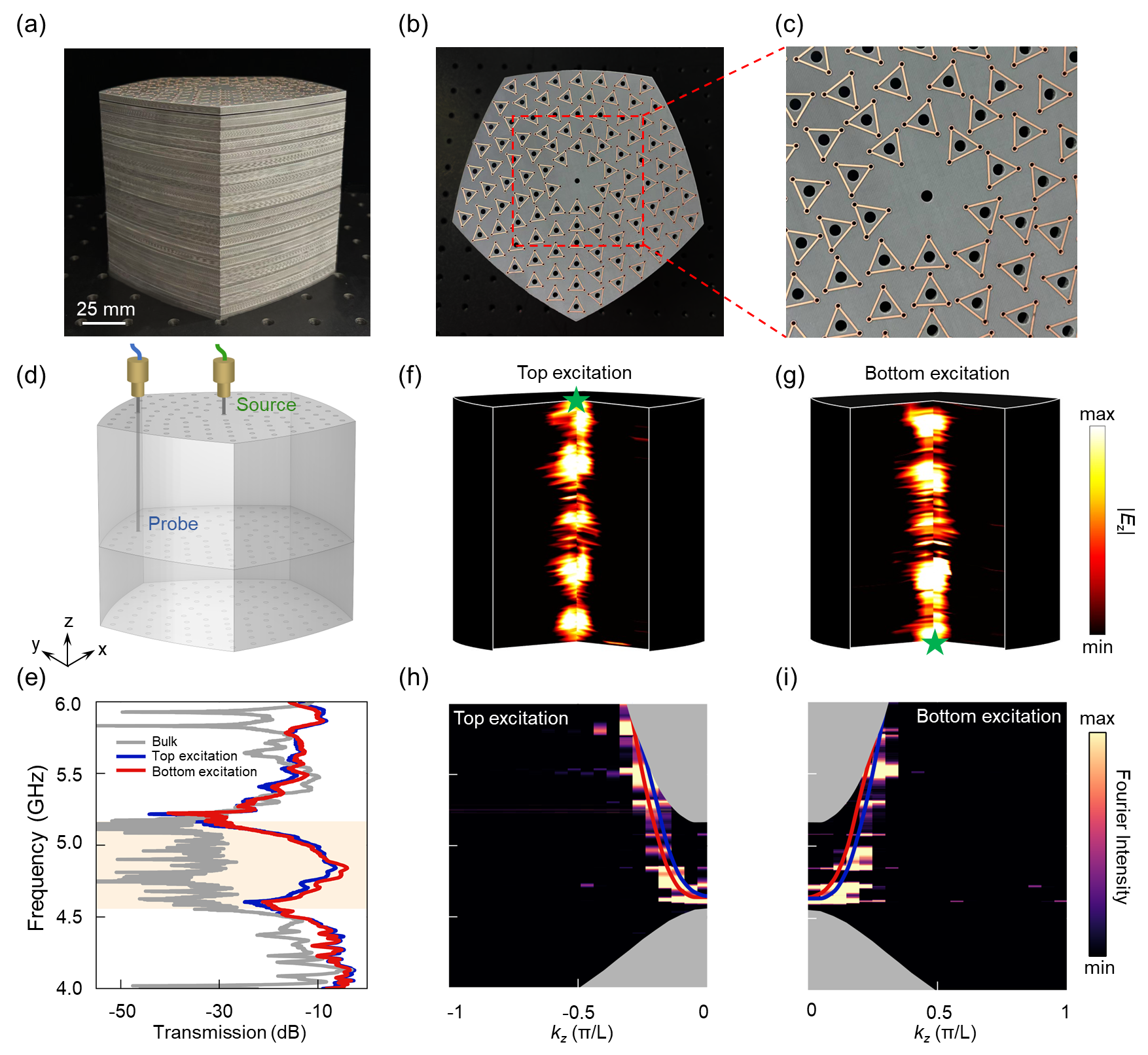
Figure 3. Selective excitation of the topological vortex and antivortex transport with chiral sources.
The group also experimentally verified that topological vortex and antivortex modes with opposite orbital angular momenta in a 3D photonic disclination metamaterial can be selectively excited and stably propagated. The group constructed a chiral source to generate phase vortices with controllable chirality and utilized vortex sources to selectively excite topological vortex modes (Figure 4(a)). The experimentally measured phase distributions (Figures 4(b)–(c)) are consistent with the simulation results in Figures 2(a)–(b). When the vortex sources were placed at the centers of the upper and lower surfaces of the metamaterial, respectively, the measurement results (Figures 4(d)–(g)) showed that excitation from both the upper and lower surfaces enables the stable propagation of topological vortices with well-preserved orbital angular momenta. Correspondingly, the antivortex source excitation experiments (Figures 4(i)–(n)) also confirmed that excitation from the upper and lower surfaces allows the stable propagation of topological antivortex transport, with the opposite orbital angular momenta remaining well-preserved.
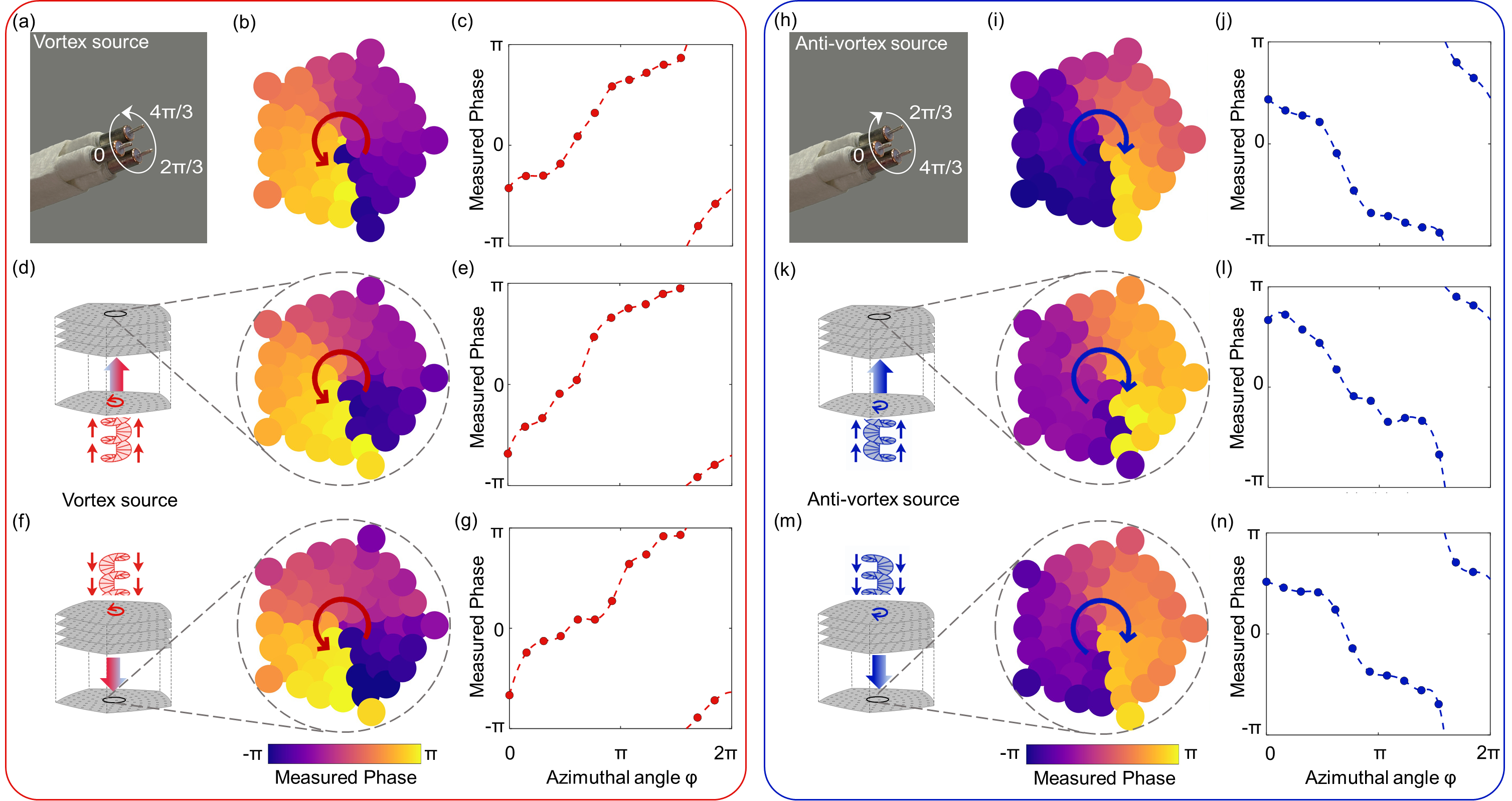
Figure 4. Selective excitation of the topological vortex and antivortex transport with chiral sources.
The group further investigated the robustness of topological vortex and antivortex transport by introducing a metallic obstacle at the center of the 1D disclination line defect (Figure 5(a)). A comparison of the propagation spectra with and without the obstacle (Figure 5(b)) revealed that the peak and valley values of the bulk mode and the two topological modes are nearly identical, indicating that the propagation remains stable even in the presence of the metallic obstacle. Near-field measurements (Figure 5(c)) directly demonstrate that the topological vortex and antivortex transport are robust against the obstacle and continue to propagate along the disclination line defect, in excellent agreement with the simulation results (Figure 5(d)). The experimentally measured phase distributions in the presence of the metallic obstacle (Figures 5(e)–(h)) further confirm that the two modes are minimally affected by the obstacle and that their orbital angular momenta remain well preserved. In addition, this propagation mode exhibits good robustness to other disorders, such as random variations in the air gap of the split-ring resonators.
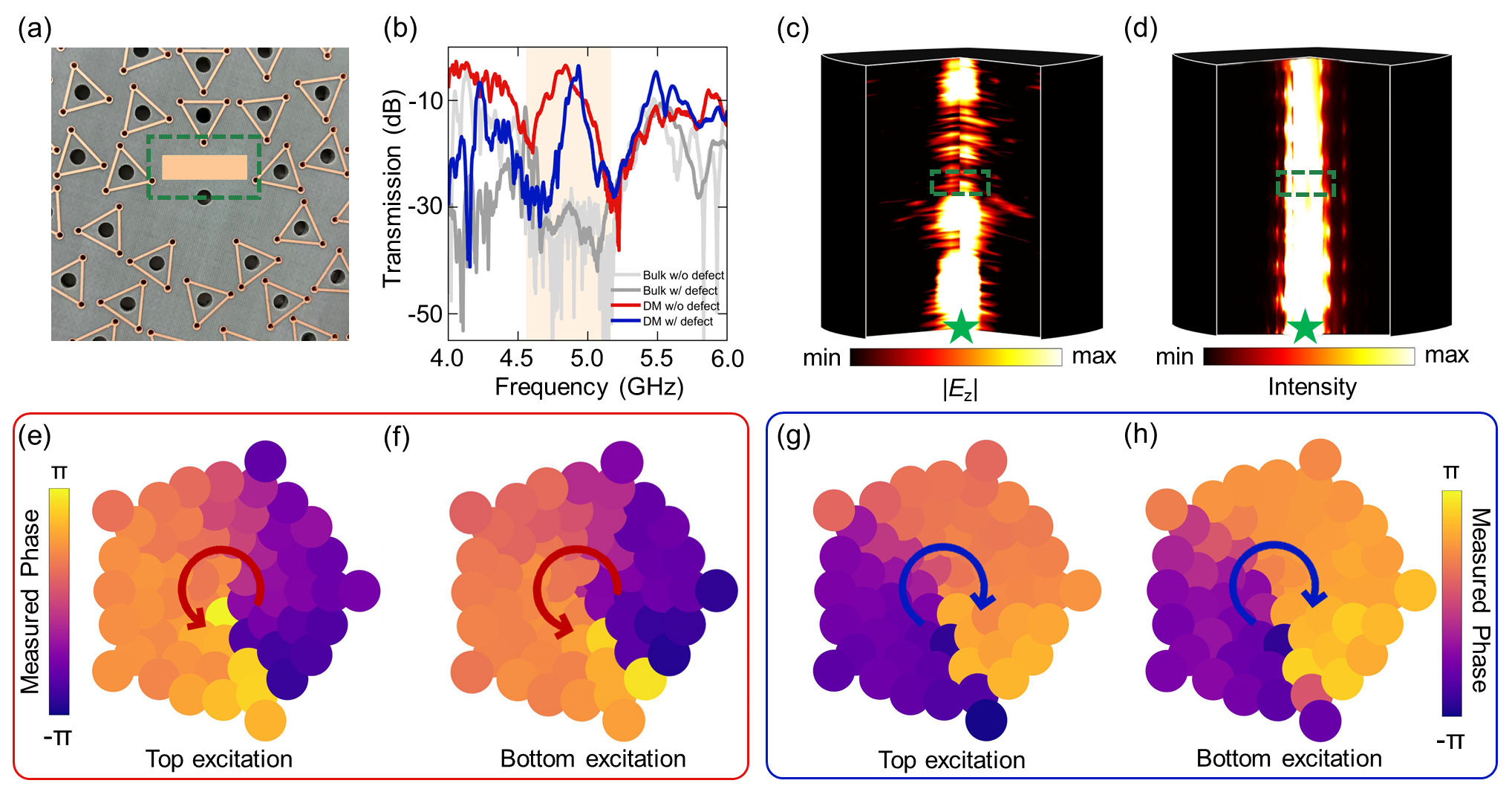
Figure 5. Robustness of the topological vortex and antivortex transport.
This study, for the first time, theoretically and experimentally demonstrates robust topological vortex and antivortex transport in a 3D photonic disclination metamaterial. The relevant modes can be selectively excited by chiral sources, and the transport is robust against defects and obstacles. This work not only extends topological vortex and antivortex transport from 2D to 3D photonic systems for the first time, showing promising application prospects in orbital angular momentum-based photonic devices, but also establishes a novel research platform for exploring the interplay between momentum-space band topology and real-space topological line defects in 3D photonic systems. The technique has been demonstrated at microwave frequencies and can be extended to higher-frequency regimes in the future, which is expected to bring revolutionary breakthroughs in quantum communications, super-resolution imaging, and related fields.
Yingfeng QI, a Ph.D. student from the Department of Electronic and Electrical Engineering at SUSTech, Siqi XU, an undergraduate student from the Department of Electronic and Electrical Engineering at SUSTech (now a Ph.D. candidate at Massachusetts Institute of Technology), and Bei YAN, a lecturer from Wuhan University of Science and Technology, are the co-first authors of the paper. Associate Professor Zhen GAO is the only corresponding author. SUSTech is the first affiliated institution.
Paper link: https://journals.aps.org/prl/abstract/10.1103/dh5p-5nf6
Proofread ByNoah Crockett, Junxi KE
Photo By