From December 5 to 7, 2025, the Seismology Committee of the Chinese Geophysical Society (Committee) held its 2025 annual academic conference and the 3rd “Future of Seismology” academic symposium at Southern University of Science and Technology (SUSTech). Academician Xiaofei CHEN of the Chinese Academy of Sciences, Academician Jie ZHANG of the U.S. National Academy of Engineering, and more than 100 experts and scholars from domestic universities and research institutes attended the conference.
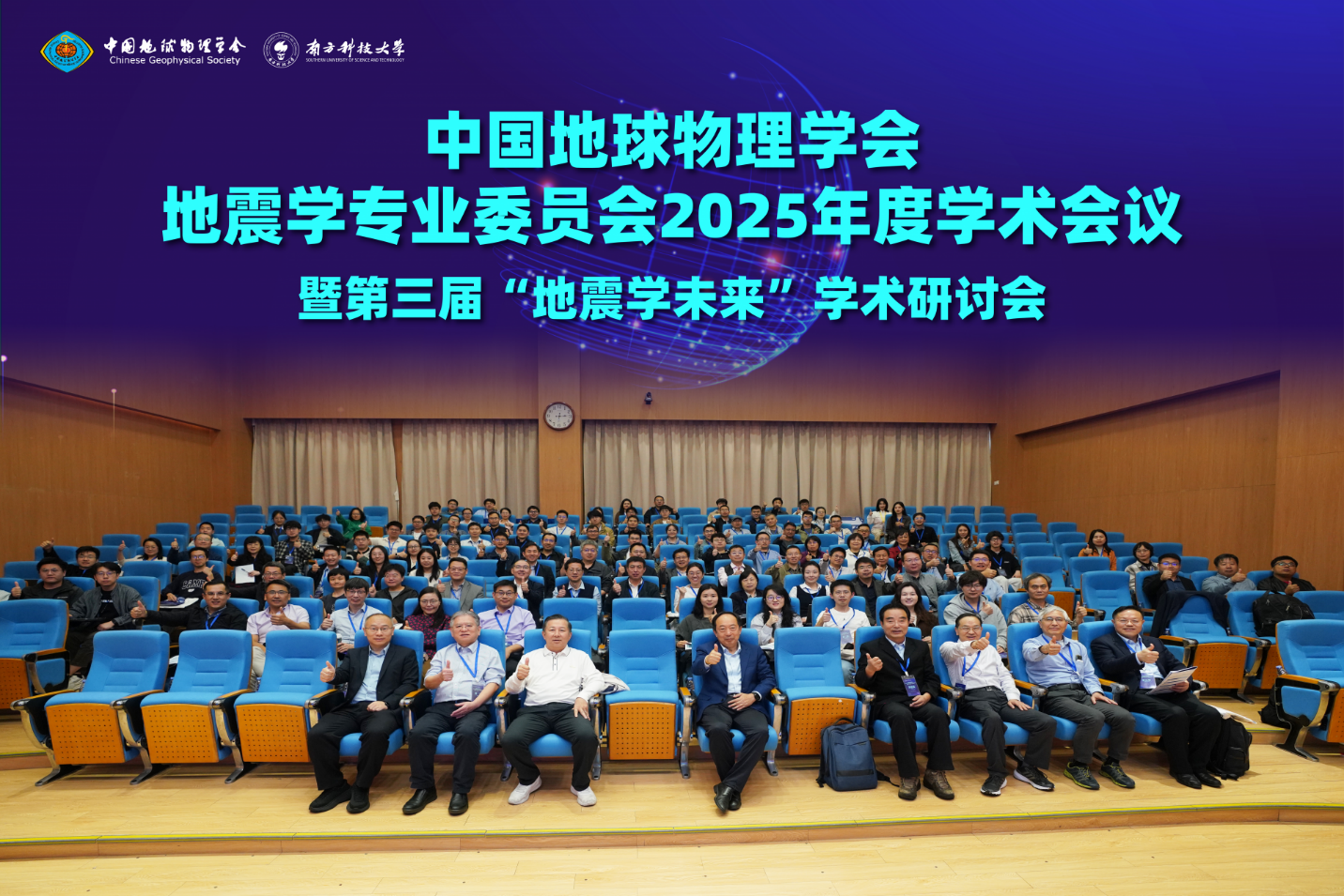
This conference was organized by the Seismology Committee of the Chinese Geophysical Society and the Department of Earth and Space Sciences of SUSTech, with co-organization by the Key Laboratory of Geophysical Precise Imaging Technology of Guangdong Province and the Key Laboratory of Deepwater Oil and Gas Exploration Technology of Shenzhen. Secretary-General of the Special Committee and Associate Professor Chunquan YU of SUSTech read out a written greeting on behalf of Deputy Secretary-General Min HU of the Society. In his speech, Academician Xiaofei CHEN stated that the development of seismology currently presents both opportunities and challenges, and that seismological knowledge and supercomputing capabilities should be fully utilized to contribute to national development and social progress.
The conference included a total of six keynote presentations. Academician Jie ZHANG from the University of Science and Technology of China presented on “Practical Experience in Short-Term Prediction of M3-5 Earthquakes Based on High-Density Seismic Monitoring and Artificial Intelligence,” sharing his cutting-edge explorations in the integration of AI and earthquake prediction. Professor Dinghui YANG from Tsinghua University gave a talk titled “High-Precision Seismological Methods and Recent Advances in Their Application Research,” systematically explaining the close integration of methodological innovation with practical applications. Professor Sanzhong LI from the Ocean University of China discussed the topic “Microplate Tectonics and Earthquakes,” exploring the mechanisms of earthquake generation from a tectonic perspective. Researcher Liang ZHAO from the Institute of Geology and Geophysics, Chinese Academy of Sciences, presented “Calculation of Global Deep Carbon Cycle Fluxes Since the Cenozoic,” focusing on numerical simulations of carbon cycling in plate tectonics and in-depth research on the interactions between the solid Earth and the surface layers. Researcher Zhigang SHAO from the Earthquake Prediction Research Institute of the China Earthquake Administration delivered a presentation titled “Practice and Future Outlook of Earthquake Prediction in China,” summarizing China’s practical experience in earthquake forecasting and looking ahead to future directions. Professor Hejun ZHU from Southern University of Science and Technology gave a report titled “Some Insights on the Lithosphere and Subduction Zones—Constraints from Multi-Parameter Full-Waveform Inversion Models,” providing new evidence for understanding deep structures.
During the special report session, a total of 18 experts and scholars gave excellent presentations on various cutting-edge topics in seismology, covering multiple research areas such as imaging the internal structure of the Earth, seismogenic source physics, and new advances in seismological methods and techniques.
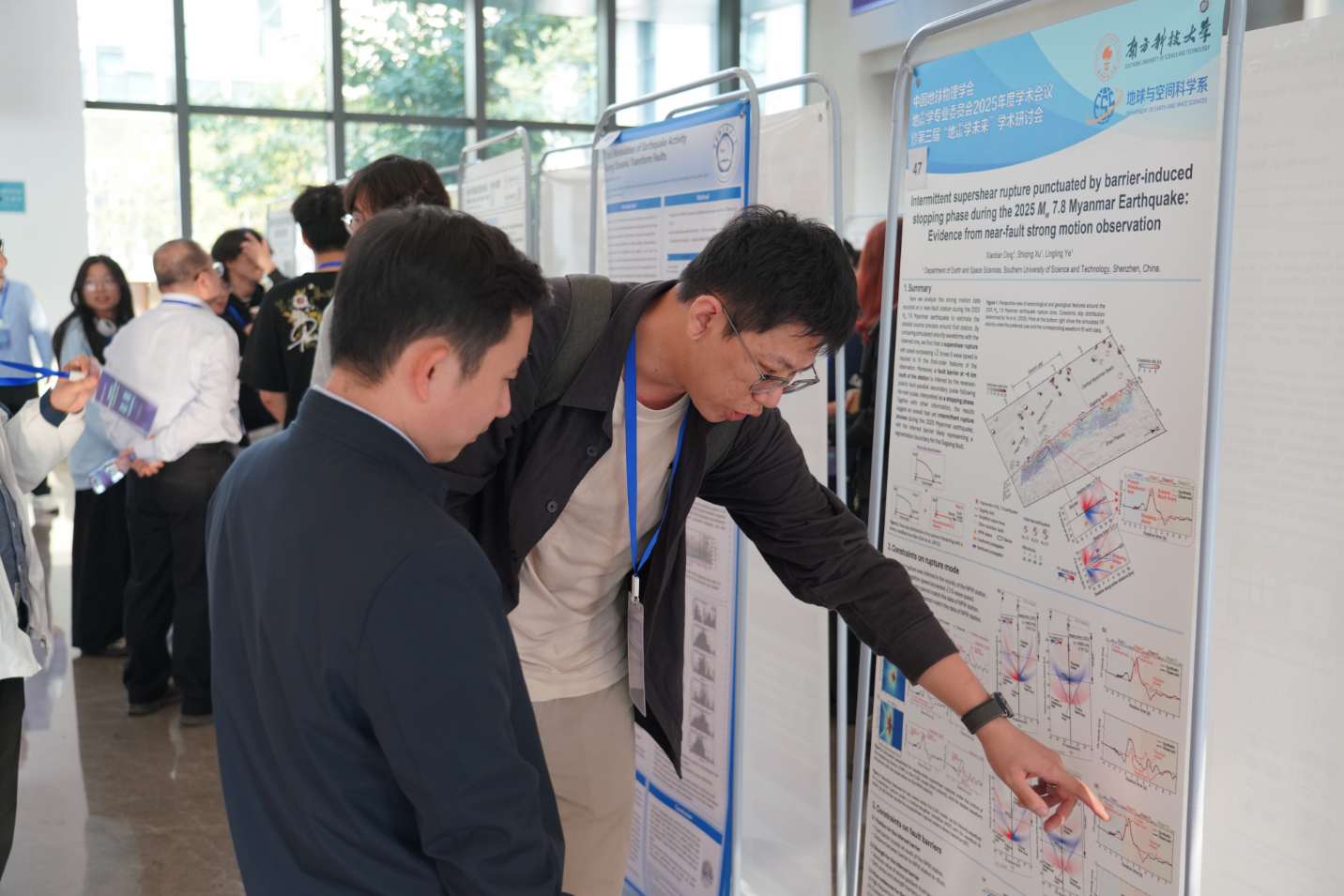
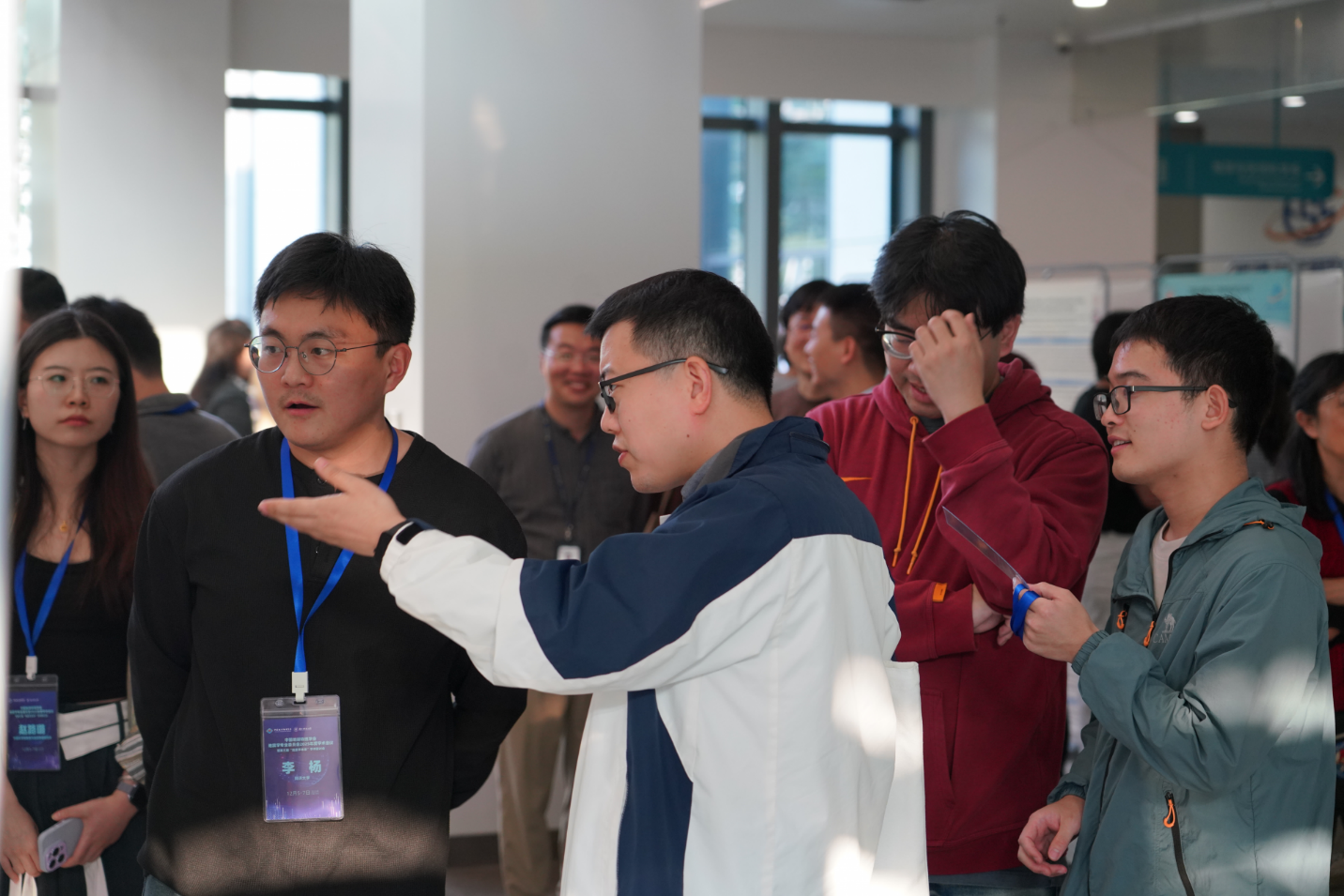
This conference also included a session for academic poster presentations and exchanges, with a total of 48 young teachers and students showcasing their research results. Among them, the posters by Huixing BI, Maoshan YUAN, Shenshen ZHAO, Qiang YAO, Lulu ZHAO, and Sheng ZHU received the highest attention during the exhibition.
This conference focused on showcasing the latest research achievements in the field of seismology, deeply explored the future development trends of the discipline, effectively promoted academic exchange and cooperation, and played a positive role in the growth of young talents.
Proofread ByYilin ZHOU
Photo ByDepartment of Earth and Space Sciences