Recently, the team led by Associate Professor Longqing CONG from the Department of Electrical and Electronic Engineering at Southern University of Science and Technology (SUSTech) published their latest research findings in the prestigious journal Science Advances, a sister journal of Science. The paper, entitled “High efficiency active membrane metasurfaces,” proposes a novel “high-efficiency actively modulated membrane metasurface” based on the physical mechanisms of broadband Kerker effect and quasi-bound states in the continuum (q-BIC), achieving multiple internationally leading breakthroughs in the field of terahertz beam control.
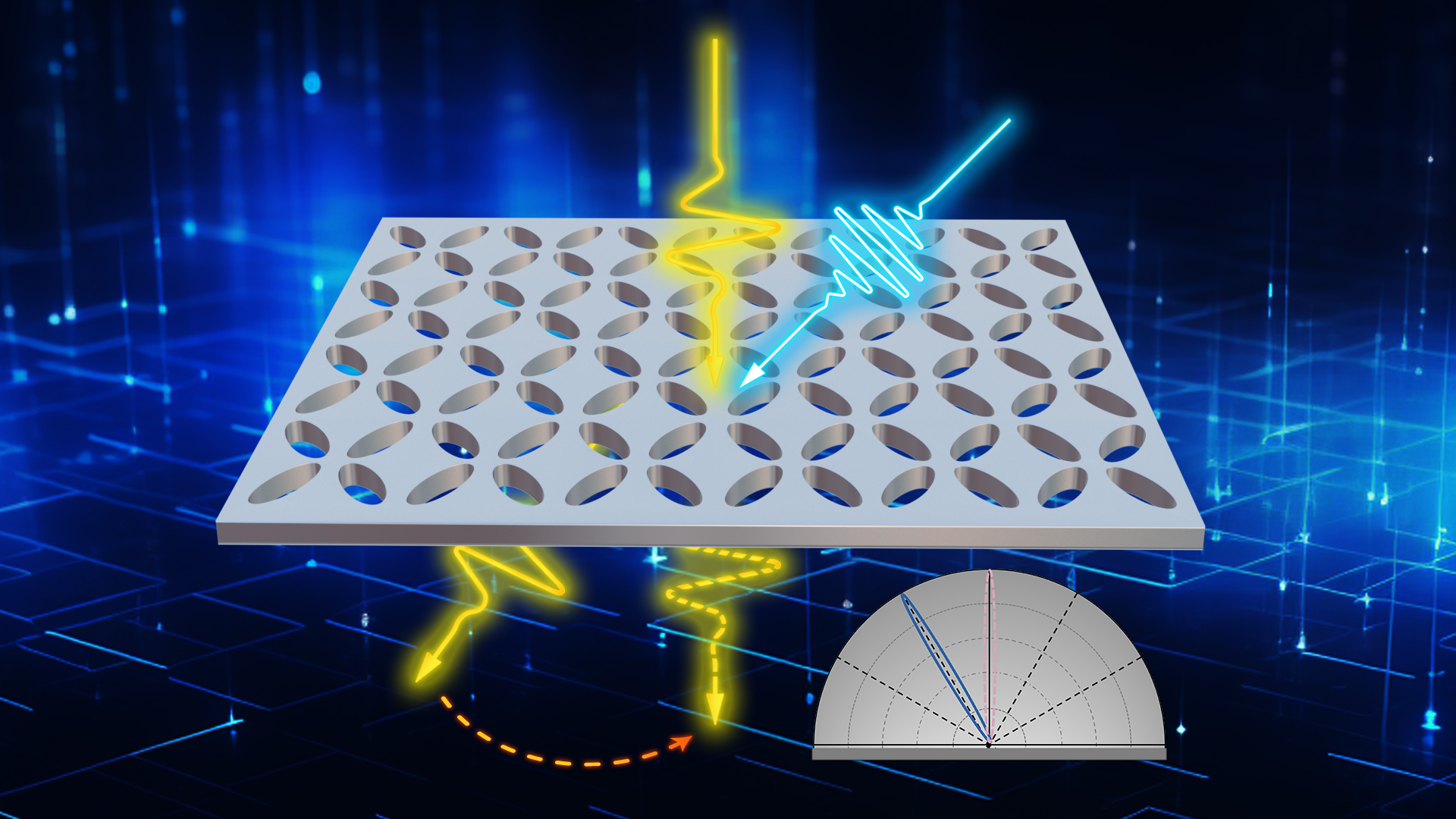
The research team successfully developed a membrane metasurface that combines ultra-high efficiency, low power consumption, and strong spectral and spatial selectivity, achieving high-precision directional deflection of terahertz beams. Experimental results demonstrate that the device exhibits an absolute deflection efficiency as high as 92%, a narrow linewidth of 4 GHz, a spatial divergence angle of only 2.8°, and a quality factor of 114. Moreover, it achieves a modulation depth of 94% under extremely low optical pumping intensity. The overall performance represents the current state-of-the-art internationally among similar technologies.
More importantly, this design overcomes the fundamental bottleneck of conventional single-point Kerker effect, which struggles to maintain high efficiency across the complete 2π phase modulation range (Fig. 1A-1C), achieving near-100% optical field transmission efficiency for all structural elements throughout the full phase coverage (Fig. 1D-1F). By engineering the q-BIC dispersion mechanism and deeply coupling it with the extended broadband Kerker effect, the team has constructed a novel membrane metasurface optical field manipulation architecture that simultaneously features high efficiency, high spatial and spectral selectivity, and low-threshold modulation.
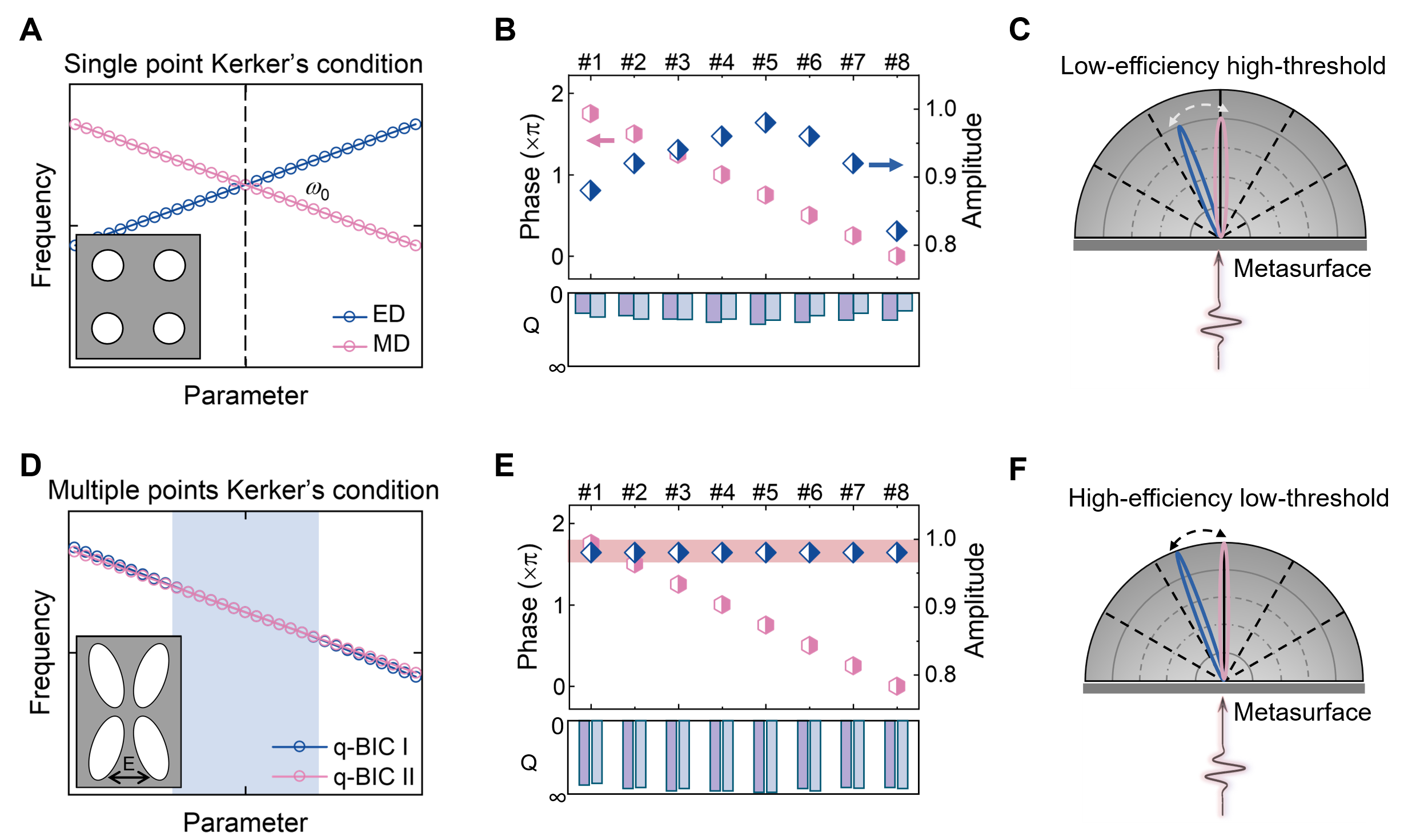
Fig. 1 Kerker effect induced by degeneracy at a single point and multiple points.
In traditional designs, achieving electric and magnetic dipole degeneracy at a single frequency point is relatively straightforward, but inevitable mode coupling has consistently hindered the realization of broadband degeneracy. This study extends the design paradigm from conventional parameter space to momentum space, utilizing the entire momentum space for joint optimization, effectively addressing the long-standing challenge of broadband mode degeneracy.
Within this new framework, we achieve, for the first time, broadband degeneracy of dual modes in momentum space—namely, the broadband Kerker effect. By folding the Y-point mode of a rectangular lattice to the Γ-point, we obtain band-folded BIC modes with both high robustness and high Q-factors (Fig. 2A–2D), maintaining stable degenerate characteristics across a broad wavevector range (Fig. 2B, 2F). Subsequently, by introducing slight structural asymmetry, we precisely control the far-field radiative leakage, enabling the two modes to achieve simultaneous crossing of both frequency and Q-factor at 0.542 THz (Fig. 2E, 2F). The resulting silicon-based membrane metasurface experimentally demonstrates transmission exceeding 96%, complete 2π phase coverage, and local field enhancement up to 33-fold, establishing the physical foundation for achieving broadband Kerker effect with high efficiency and high Q-factors (Fig. 2G, 2H).
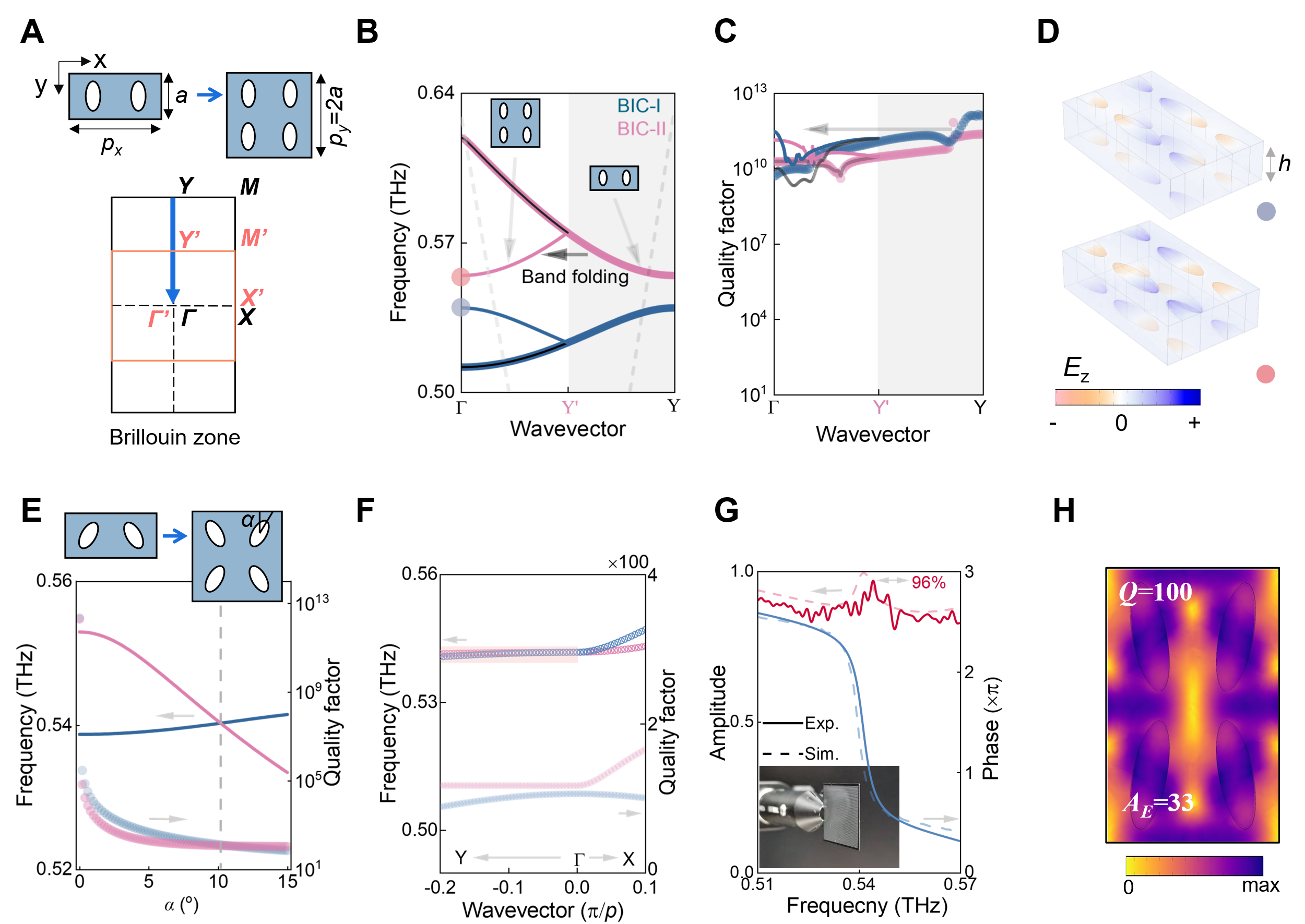
Fig. 2 Band folding to access the Kerker effect with multi-point degeneracy.
Building upon the meta-atom design with ultra-high transmission efficiency, we fabricated a phase-gradient metasurface requiring tuning of only a single parameter—the y-axis period—and experimentally achieved exceptional terahertz beam deflection performance (Fig. 3A). Angle-resolved time-domain spectroscopy measurements reveal that the device directs nearly all energy to the +1 diffraction order across the 0.4–0.6 THz band, with a deflection efficiency as high as 92%, while completely suppressing the 0th order diffraction (Fig. 3B-3E). Benefiting from the narrowband resonance enabled by q-BIC, the deflected beam exhibits an ultra-small divergence angle of merely 2.8° and a Q-factor up to 114, delivering exceptional spectral and spatial selectivity (Fig. 3F). The integration of ultra-high efficiency, free-standing membrane architecture, and narrowband high-Q control within a single device is unprecedented in the field of terahertz beam manipulation, providing a powerful platform for next-generation high-performance, low-power photonic devices.
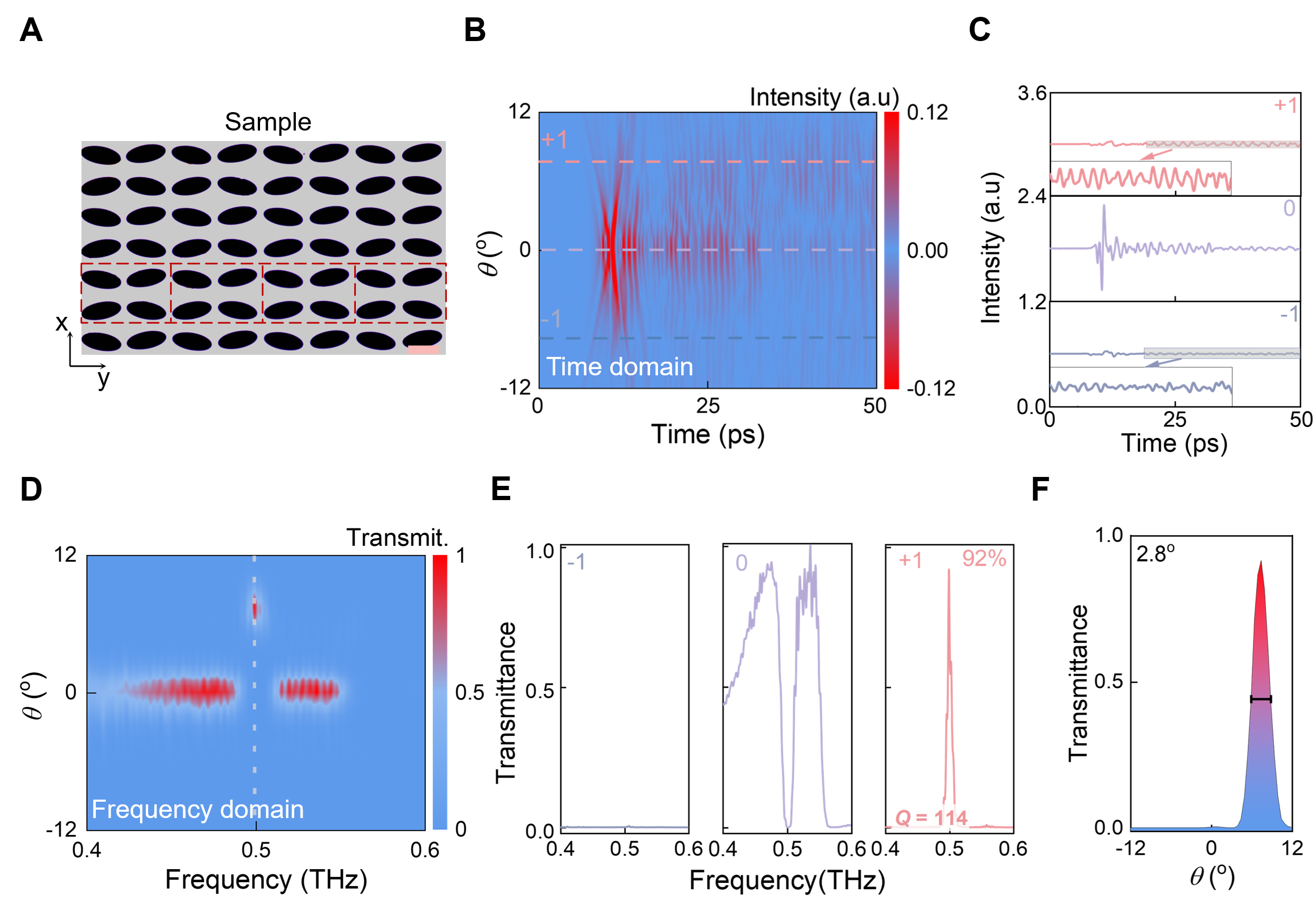
Fig. 3 Experimental results of the membrane metasurfaces under the Kerker effect.
This study experimentally validates the low-threshold modulation capability of high-Q +1 order diffracted beams. The dual q-BIC degeneracy ensures complete 2π phase coverage under low-loss conditions, while loss inversion triggers distinct phase transitions that affect the preservation of the Kerker effect (Fig. 4A). Under continuous-wave optical pumping at merely 0.53 W/cm², the diffraction intensity drops from 92% to 5.8%, achieving a modulation depth as high as 94% (Fig. 4B-4F); substantially outperforming the less than 7% modulation observed in unpatterned silicon membranes. Experiments further demonstrate that this platform exhibits low-threshold characteristics under pulsed laser excitation, showcasing tremendous potential for leveraging BIC to enhance Q-factors, achieve narrower spectral selectivity, and reduce modulation energy consumption, thereby laying the foundation for next-generation high-speed, low-power terahertz control devices.
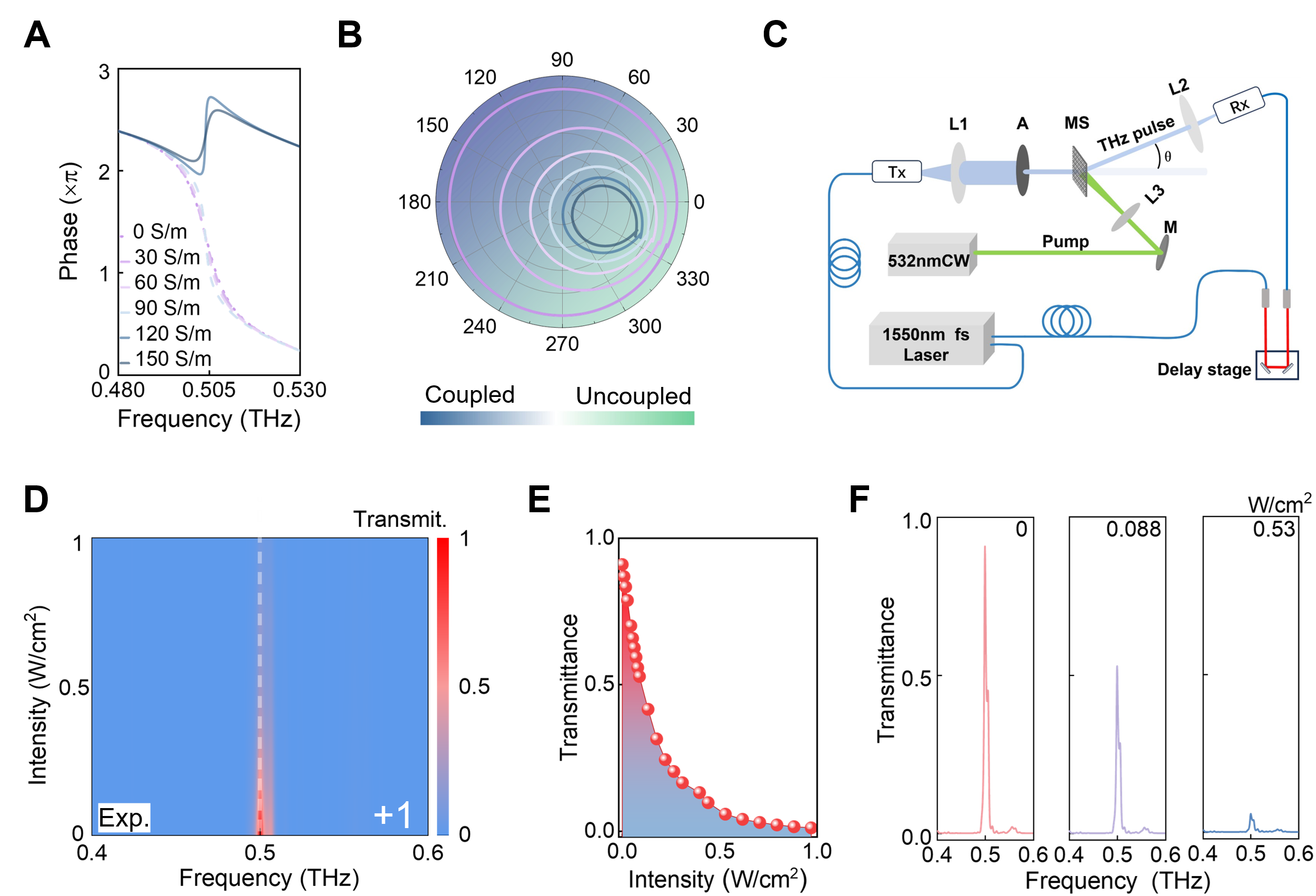
Fig. 4 Experimental observation of low-threshold modulation.
This research was led by Assistant Researcher Junxing FAN from SUSTech as the first author, with Associate Professor Ye ZHOU from Shanghai Jiao Tong University as the co-first author, and Associate Professor Longqing CONG as the sole corresponding author. Zhanqiang XUE, Guizhen XU, Junliang CHEN, Hongyang XING, and others also made significant contributions to this work.
Proofread ByNoah Crockett, Junxi KE
Photo ByYan QIU