The team led by Associate Professor Yury Illarionov from the Department of Materials Science and Engineering at Southern University of Science and Technology (SUSTech) conducted in-depth research on dual-gate ITO/HfO2 field-effect transistor systems. Through systematic reliability analysis (including universal hysteresis mapping, bias temperature instability testing, and TCAD simulations), they revealed for the first time that full coverage of the amorphous oxide channel by the top-gate metal electrode is the key to long-term device stability. The related results were published in the academic journal ACS Nano under the title “Long-Term Operational Stability of Dual-Gated ITO/HfO2 Field-Effect Transistors via Full Top-Gate Coverage: A Comprehensive Bias-Stress Mapping.”
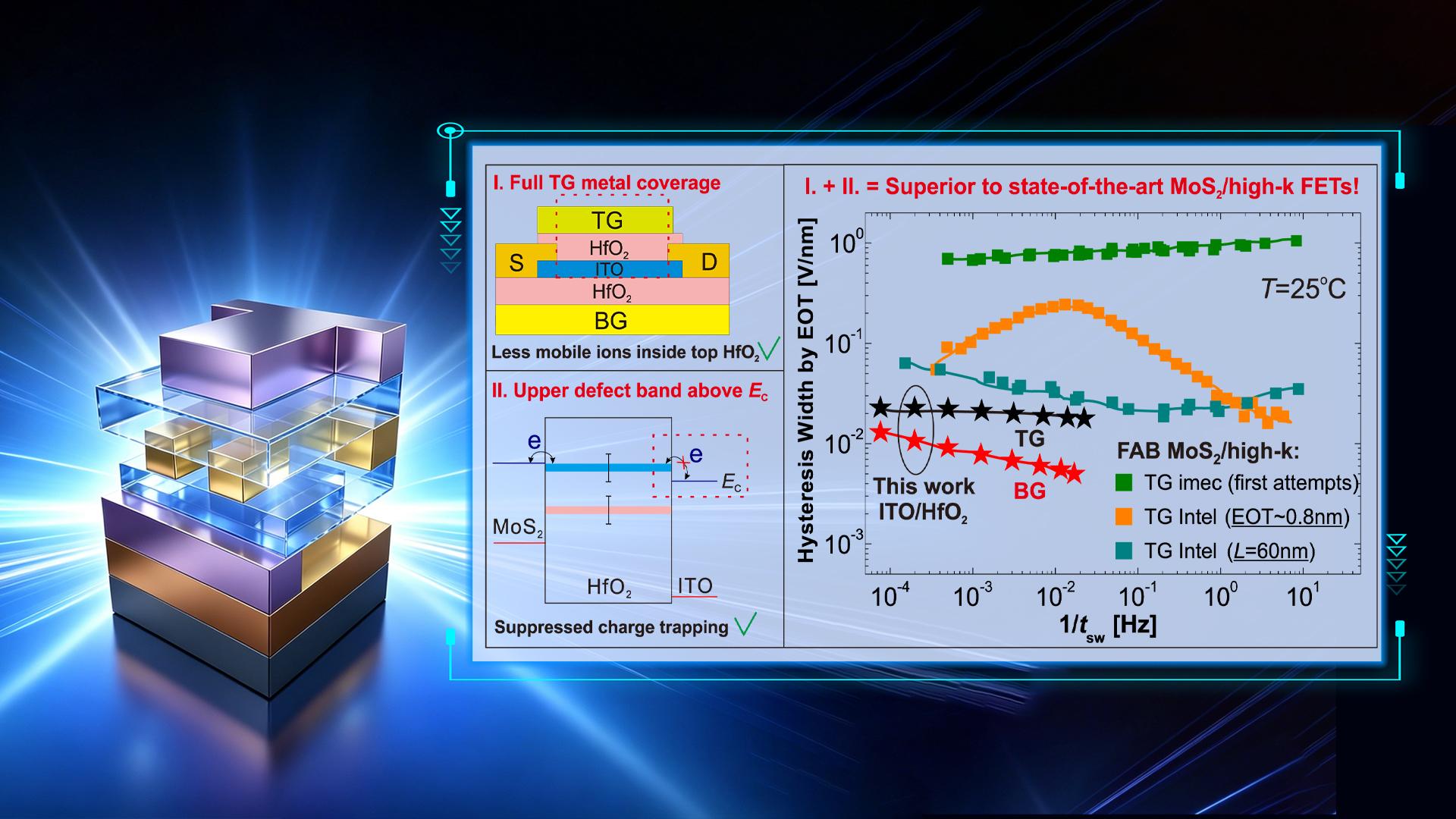
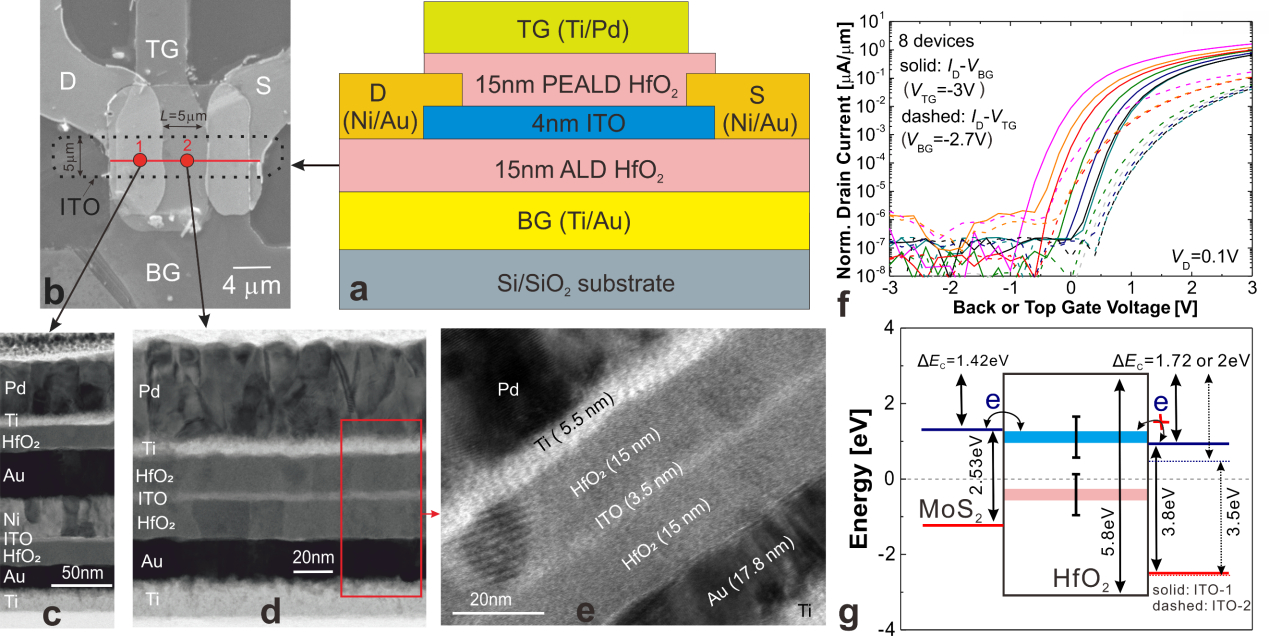
Figure 1. ITO/HfO2 Transistor Structure and Fundamental Physical Mechanisms
Indium tin oxide (ITO) is a promising thin-film semiconductor material suitable for transistors in advanced chips, such as 3D integration. However, the challenge in fabricating ITO transistors that ensure long-term stable operation lies in constructing high-quality gate stacks while maintaining the stability of the top gate to avoid negative threshold voltage drift. In this study, imaging with scanning electron microscopy (SEM) and transmission electron microscopy (TEM) confirmed that the top gate metal fully covers the 4nm-thick ITO channel. Combined with a symmetric sandwich structure of 15nm HfO2 gate dielectrics above and below, this can physically block the penetration of H⁺ and oxygen into the top oxide layer. Both the device’s back gate and top gate can be precisely modulated to a zero-bias turn-on state by applying opposite gate biases, demonstrating high stability with ultra-low hysteresis and drift. Further analysis showed that the upper defect band of HfO2 is above the conduction band minimum of ITO, making it difficult for defect states to be reached by the Fermi level of ITO, thereby preventing charge trapping. In the MoS2 system, the HfO2 defect band is close to the Fermi level of MoS2, significantly enhancing the hysteresis effect.
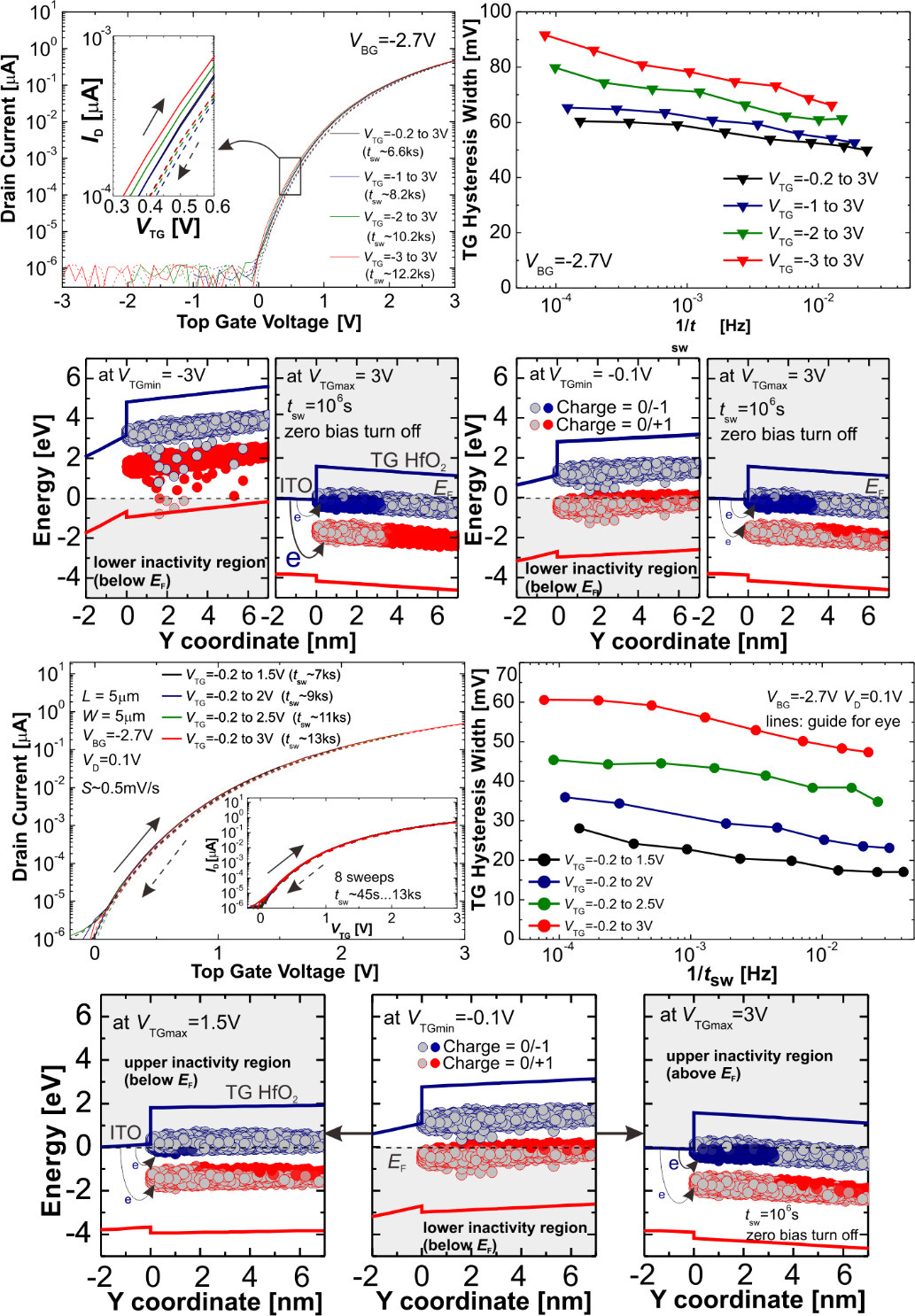
Figure 2. Impact of Top-Gate Sweep Range Optimization on Hysteresis Effect and TCAD Energy Band Simulation
To verify that the primary cause of stability is the relative position of the HfO2 defect band and the ITO energy level, the research team used a self-developed long-term hysteresis dynamic analysis technique to systematically scan 3,000 current points on the transfer curve of the transistor, constructing a mapping relationship between hysteresis width (ΔVH) and scan frequency (1/tsw), ultimately obtaining a universal hysteresis function. In addition, the team employed Minimos-NT to establish a high-precision TCAD reliability model. By introducing a band alignment framework and setting key parameters such as trap density, effective mass, dielectric constant, defect bandwidth, and capture cross-section, they qualitatively reproduced the measured transfer characteristics, threshold voltage modulation, and control of hysteresis width. Under zero-bias off-state conditions and with back-gate and top-gate modulation, the device exhibited hysteresis as low as 25 mV and 60 mV, respectively, when the total sweep duration was 6.6 ks (derived from the upper hysteresis function). Based on the above testing method, the team treated the back-gate HfO2 defects as fixed charges and focused on optimizing the effect of the top-gate sweep range (VTGmin/VTGmax). The results show that when VTGmin is more negative, hysteresis is mainly determined by the lower defect band of HfO2; the Fermi level decreases, and hole capture leads to significant hysteresis. However, when VTGmin approaches 0, the Fermi level rises, most of the lower defect band moves into the lower inactive region, the defects remain neutral, and only the upper defect band participates, which is above the ITO conduction band, thereby reducing the hysteresis width. On the other hand, the hysteresis width increases with an increase in VTGmax; as the Fermi level further rises, more trailing states in the upper defect band participate in electron capture. TCAD simulations illustrate the changes in hysteresis width, confirming that quantitative band engineering analysis is the core method for studying hysteresis in ITO/HfO2 transistors.
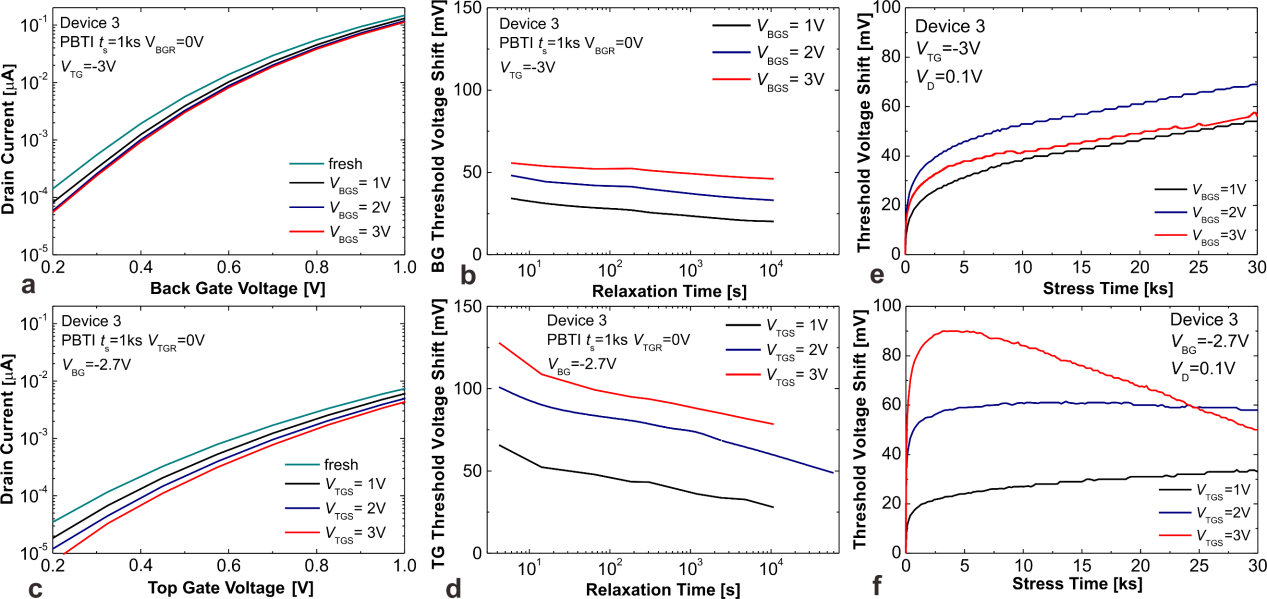
Figure 3. Long-term stability of ITO/HfO2 transistors under static bias stress
On this basis, the research team conducted positive bias temperature instability (PBTI) experiments on dual-gate ITO transistors, systematically evaluating the long-term reliability by optimizing the testing method (10 ks stabilization and zero-bias off-state conditions). The results show that the positive threshold voltage shift caused by PBTI is tens of millivolts, with no negative shift observed at room temperature, confirming the clockwise hysteresis dynamics. The time-resolved current curves demonstrate drift decay phenomena at both back gate and top gate under high gate voltage stress (3V) and prolonged stress duration (30 ks). The top gate also exhibits an additional positive charge contribution, which can self-heal under long-term on-state conditions. This phenomenon may originate from the injection of fixed positive charges at the back gate that compensate for electron trapping, slow drift of oxygen vacancies, and H⁺ impurity migration, rather than defects caused by incomplete coverage. Therefore, compared with previous work (where severe PBTI-induced negative threshold voltage shifts were observed at the top gate at room temperature), the device was effectively suppressed even under continued stress of at least 10 ks, confirming the importance of full metal coverage on the top oxide.
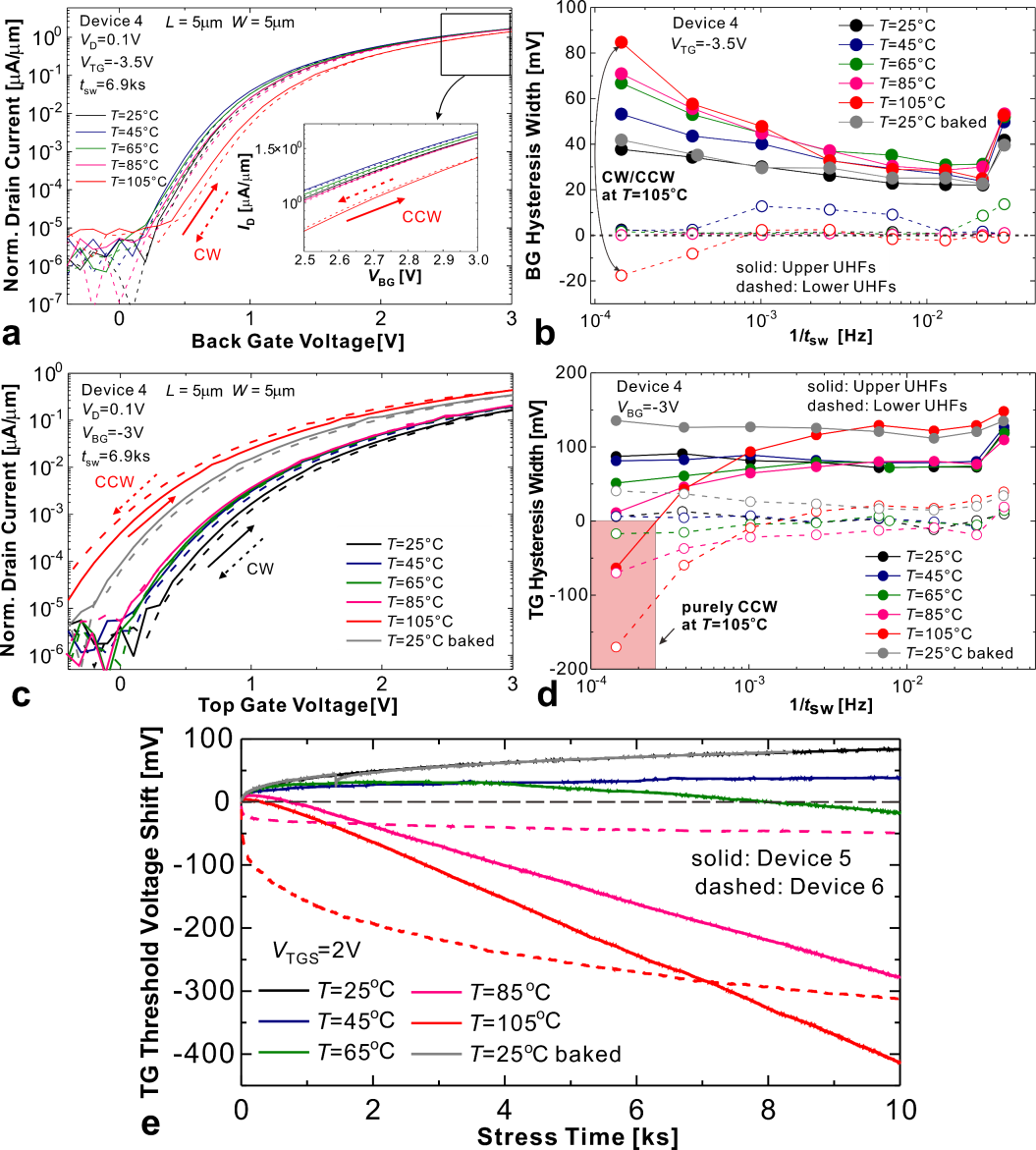
Figure 4. Reliability limits of ITO/HfO2 transistors in high-temperature environments
This dual-gate ITO transistor maintains high stability at elevated temperatures: within the temperature range of 25°C to 105°C, the hysteresis width of the back gate is always kept within tens of millivolts, with only slight counterclockwise hysteresis observed during low-frequency sweeps at 105°C, indicating a low concentration of mobile charges in the back-gate HfO2. The top gate is more sensitive to temperature changes. Counterclockwise hysteresis is fully activated during a low-frequency sweep at 105°C, accompanied by a negative shift of the threshold voltage. However, some devices show a negative shift of less than 50 mV under 85°C/10 ks stress conditions. The low charge migration characteristic of the top gate is mainly due to its slow oxygen vacancies, rather than H⁺ ions induced by the process.
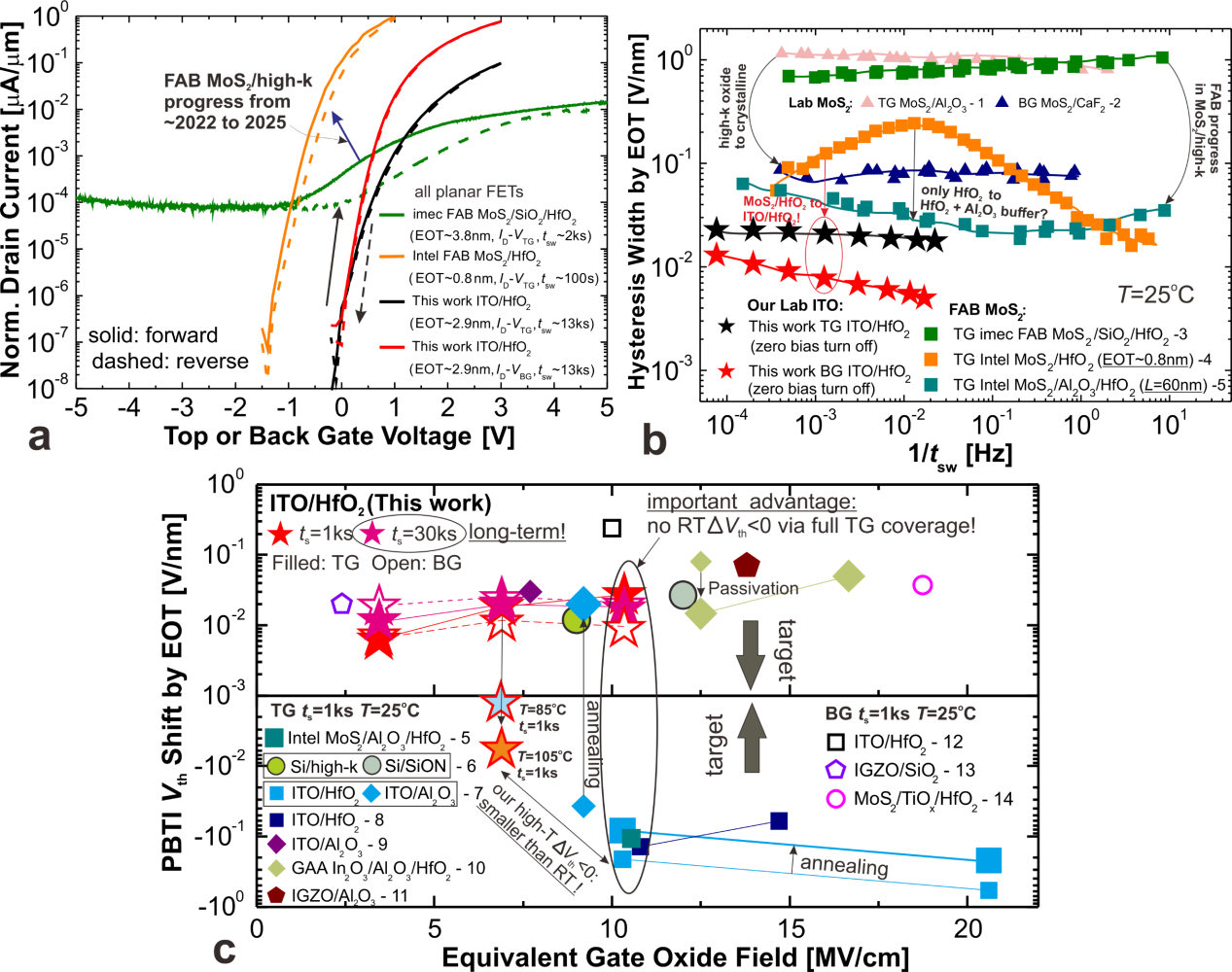
Figure 5. Reliability performance comparison
Compared with MoS2-based transistors prepared by advanced processes, including IMEC and Intel, the ITO/HfO2 devices in this study show significant advantages in zero-bias turn-off and hysteresis. By normalizing the equivalent oxide thickness (EOT), the hysteresis width was consistently lower than that of all the comparison devices. The core advantage is that the positive threshold voltage drift is small after applying 30ks stress at room temperature, and the negative drift activated above 85°C is still lower than the room temperature data of other studies. Full top gate coverage can effectively block pollutants, and the ITO/HfO2 defect band level matching is better than that of MoS2-based systems, which fundamentally reduces the activity of defect capture. In addition, the research team followed the standardized hysteresis analysis framework proposed in 2D material transistors, offering a new paradigm for evaluating the reliability of amorphous oxide devices in the post-Moore era.
Jianming HUANG, a 2024-entry PhD candidate in the Department of Materials Science and Engineering at SUSTech, is the first author of the paper, and Professors Tania Roy of Duke University and Yury Illarionov of SUSTech are the co-corresponding authors of the paper. SUSTech is the first affiliated institution.
Paper link: https://pubs.acs.org/doi/full/10.1021/acsnano.5c17437
Proofread ByNoah Crockett, Junxi KE
Photo ByYan QIU