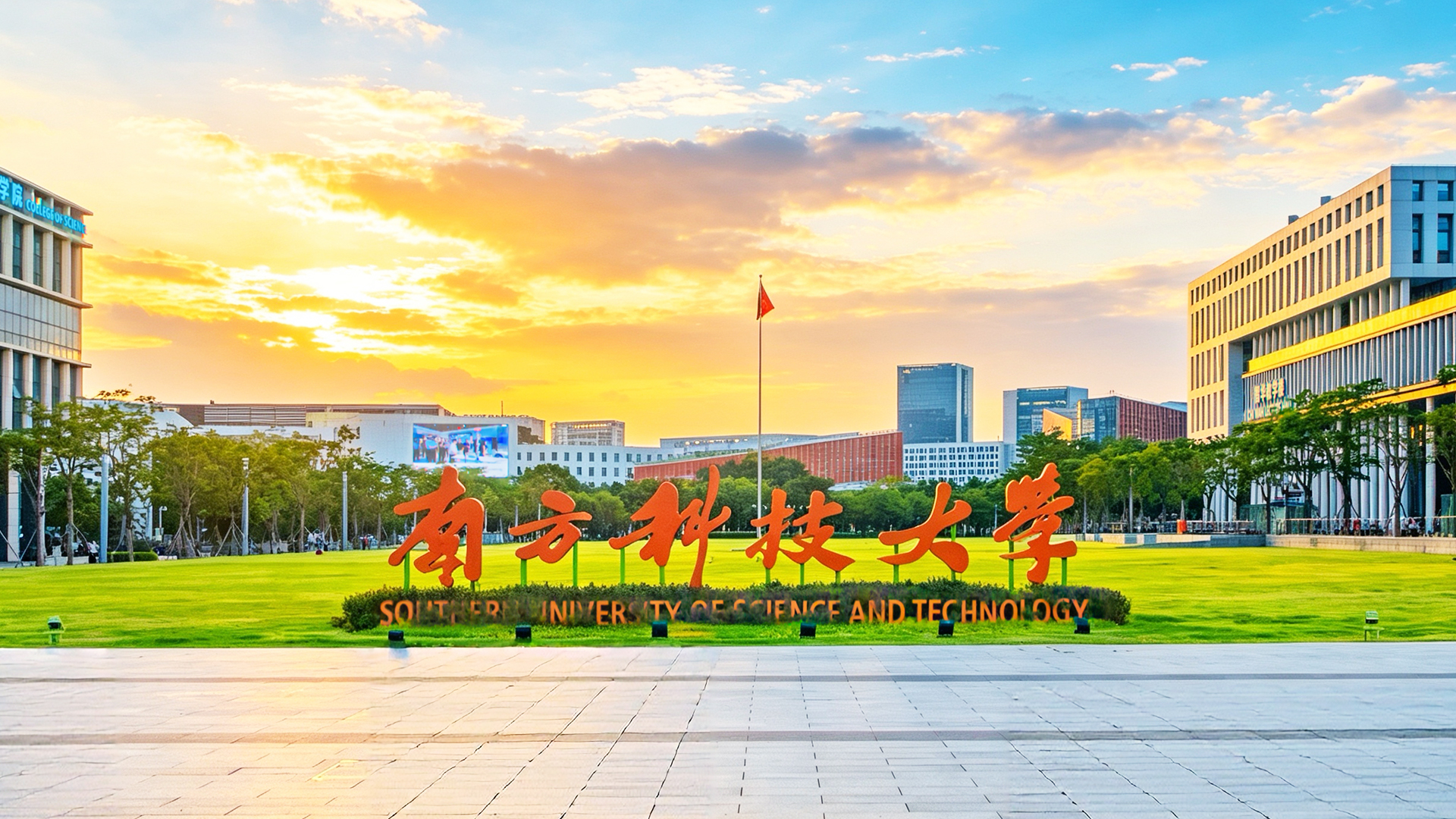
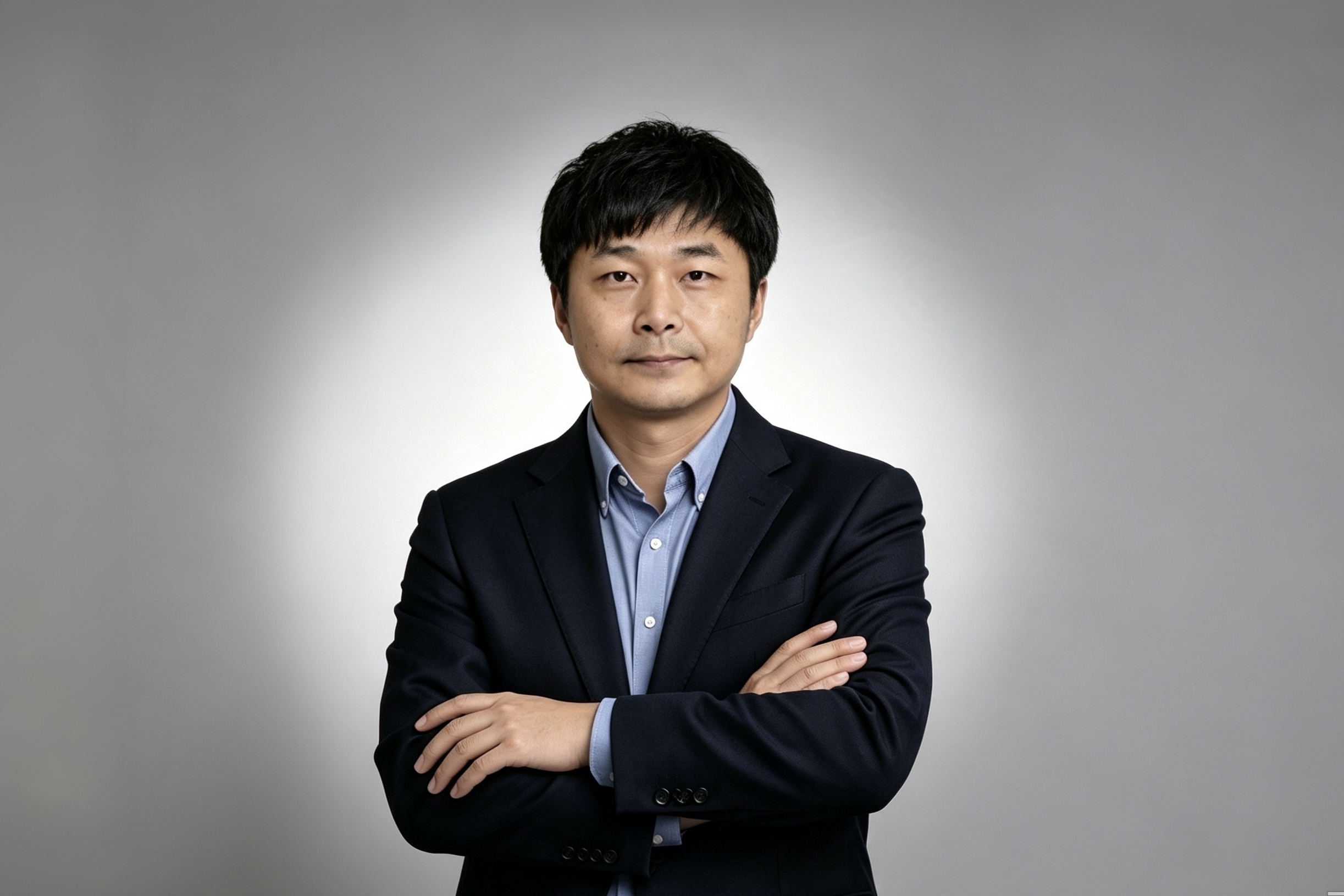
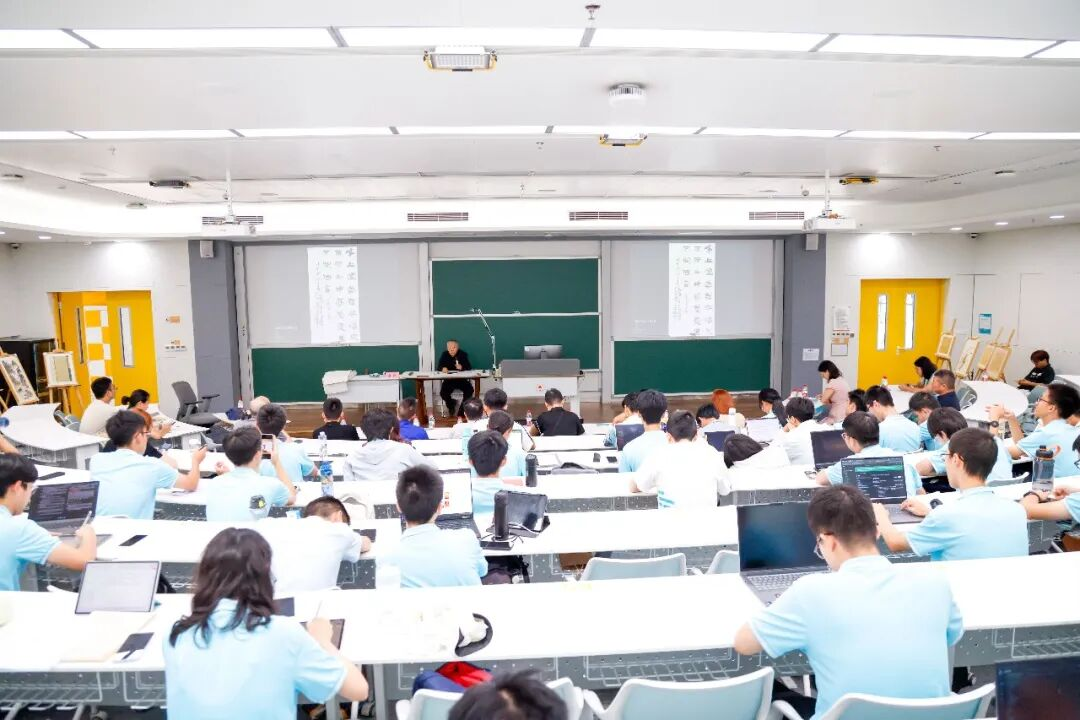
Assistant Professor Hongliang LU’s team from the Department of Mechanical and Energy Engineering at the Southern University of Science and Technology (SUSTech), along with collaborators, published a perspective paper titled “Reframing Urban Transportation as Complex Systems: A Three-Dimensional Evolutionary Perspective” in the Chinese Academy of Engineering’s journal Engineering. The study re-examines urban transportation development from a complex systems perspective and proposes a three-dimensional theoretical framework for urban traffic evolution, providing a new systematic viewpoint for understanding the evolution of future urban transportation systems in the context of smart transportation and low-altitude transportation.
Transportation is like the “blood vessels” of a city; its development not only determines how people and goods move but also continuously reshapes urban space and socio-economic activities. However, traditional research usually focuses separately on roads, vehicles, traffic behavior, or land use, and rarely looks at the coupling relationships among these elements from a long-term system evolution perspective. To address this, the research team abstracted urban transportation into three interacting dimensions: transportation infrastructure (X), transportation vehicle (Y), and transportation space (Z).
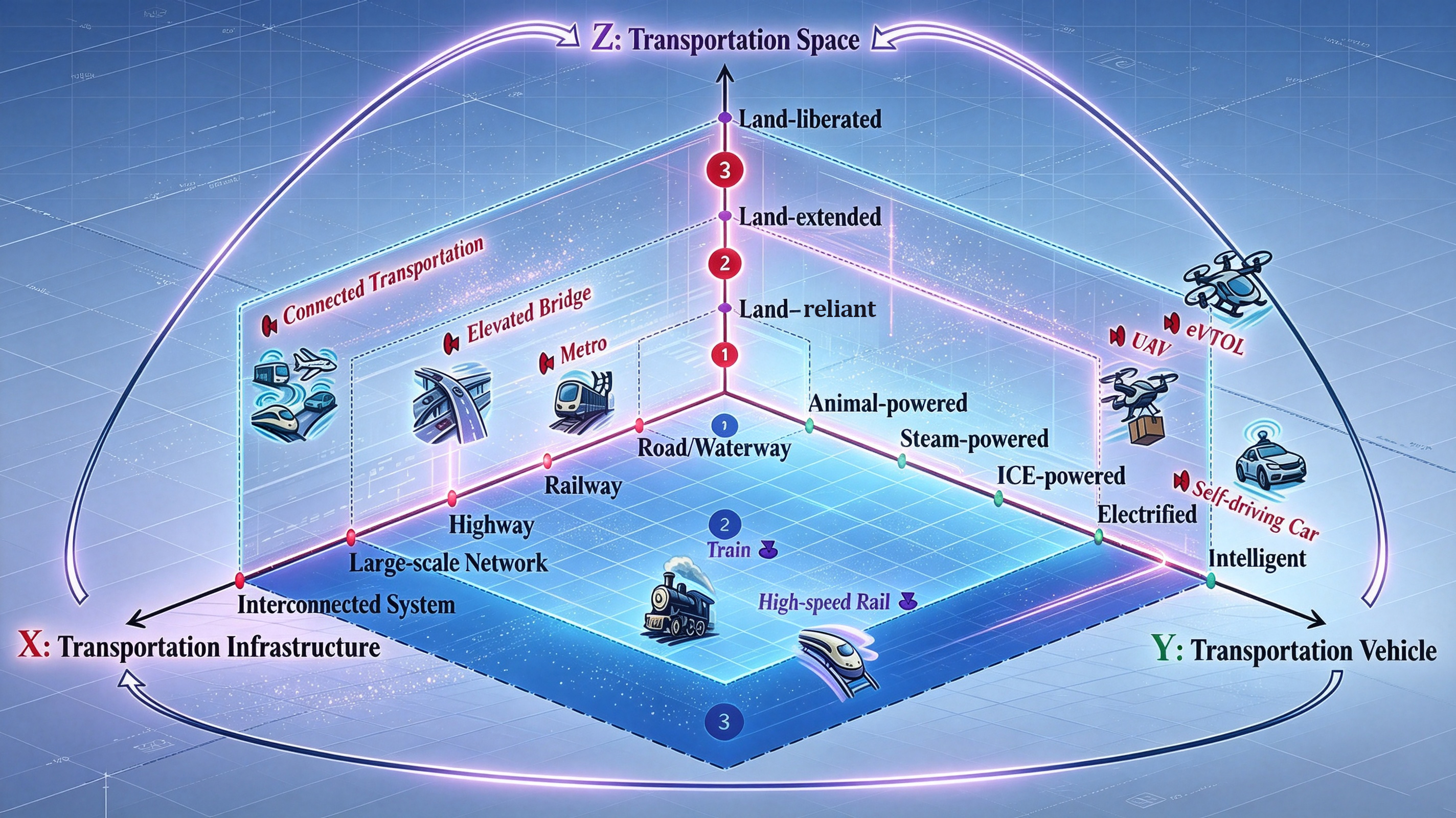
Research points out that the development of urban transportation is essentially a process of collaborative evolution across three dimensions. Transportation infrastructure is gradually moving from traditional roads, waterways, and railways toward digital and intelligent infrastructure. Vehicles are evolving from human-powered and mechanized transport to electrification, automation, and intelligence. Transportation spaces are developing from primarily ground-based to multi-level systems like subways and elevated roads, further expanding into low-altitude, three-dimensional transport. These three dimensions interact nonlinearly, with feedback loops and evolution over different time scales, collectively affecting the city’s operational efficiency and accessibility.
The study simultaneously emphasizes that technological advances in transportation do not automatically lead to increased urban equity. While autonomous driving, low-altitude travel, and smart scheduling can improve efficiency and accessibility, they can also create new problems such as the digital divide, privacy issues, algorithmic bias, and the allocation of space resources. The design of future transportation systems needs to go beyond merely pursuing “faster and smarter” solutions and move toward systems that balance efficiency, accessibility, fairness, and sustainability.
The research establishes a unified analytical framework linking the historical evolution of transportation, intelligent transportation, and future low-altitude travel, offering new theoretical perspectives for understanding the complex relationships between transportation technology, urban space, and social development in the era of artificial intelligence.
Hongliang LU and Hong Kong University of Science and Technology (HKUST) PhD student Ziyi SHI are co-first authors of the paper, while Hongliang LU, Professor Xinhu ZHENG of HKUST Guangzhou, and Professor Hai YANG of HKUST are the co-corresponding authors. The paper also includes authors from The Chinese University of Hong Kong (Shenzhen), Beijing Institute of Technology, École Polytechnique Fédérale de Lausanne, The Hong Kong Polytechnic University, University of Hong Kong, Zhejiang University, University of Macau, JD.com, and other universities and research institutions. SUSTech is the first affiliated institution.
Paper Link: https://www.sciencedirect.com/science/article/pii/S2095809926004492
Proofread ByNoah Crockett, Junxi KE
Photo ByYan QIU