Entering the second decade of the 21st century, as an important national exploration during a critical period of higher education reform, and as a key strategy for integrating education, technology, and talent development in the new era special zone, the Ministry of Education issued a document on December 20, 2010, approving the establishment of Southern University of Science and Technology (SUSTech), and it has now been 15 years. SUSTech has been at the forefront of global science and technology, addressing the country’s major needs, and has built a unique ecosystem that integrates the cultivation of top-notch innovative talents with modern university governance. From a blank sheet to a “Double First-Class” blueprint. Our young and research-oriented university, with its soaring growth curve, responds to the era’s challenge of integrating education, science, and talent development, making a “youthful mark” on the map of higher education in China.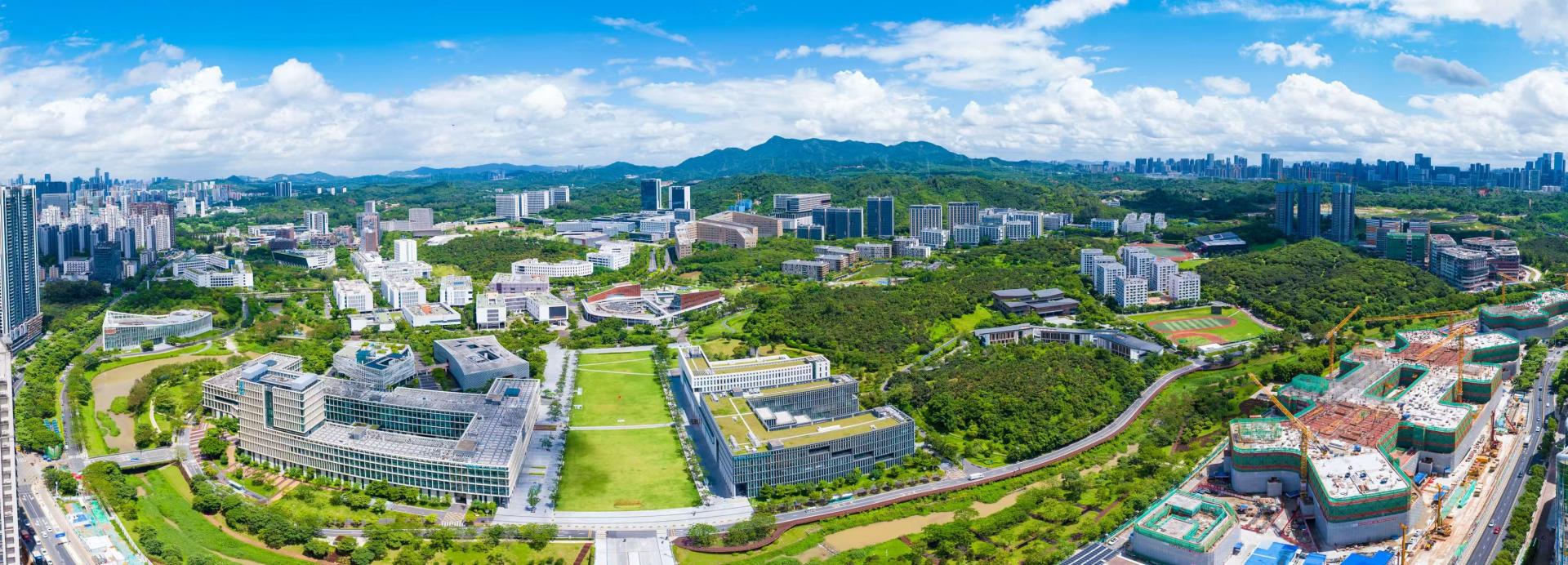
A hub of innovation strives to reach new heights in scientific research
Earlier this year, SUSTech frequently garnered attention on the “Xinwen Lianbo” news program: Academician Qikun XUE’s team made a key breakthrough in the study of high-temperature superconducting mechanisms; the free-electron laser large scientific facility led by SUSTech is under construction, supporting original innovations in the field of material science. In May, SUSTech successfully launched the first space science satellite it developed, “SUSTech-1,” achieving “dual breakthroughs” in space electric field detection and aurora observation. This is also the first satellite deeply developed with the participation of a Shenzhen university.
From breakthroughs in basic laboratory principles to aerospace engineering beyond the sky, the continuous spark of innovation at SUSTech clearly outlines the steady steps of a new type of research university climbing upward.
Three original breakthroughs, including the “first observation of the three-dimensional quantum Hall effect,” have successively been selected as the “Top Ten Scientific Advances in China.” Since 2021, nearly 32,000 scientific and technological papers have been published, of which 26,500 are indexed by SCI, over 500 are highly cited papers, and 115 papers have appeared in top journals. In the 2024-2025 Nature Index, it ranked 16th domestically and 20th globally. More than 140 research platforms of various levels and types have been established, and the annual growth rate of research funding has exceeded 20% for five consecutive years… Each rising figure not only reflects the 24/7 dedication of the people at SUSTech, but also stems from a gradually mature research and innovation system capable of sustained output.
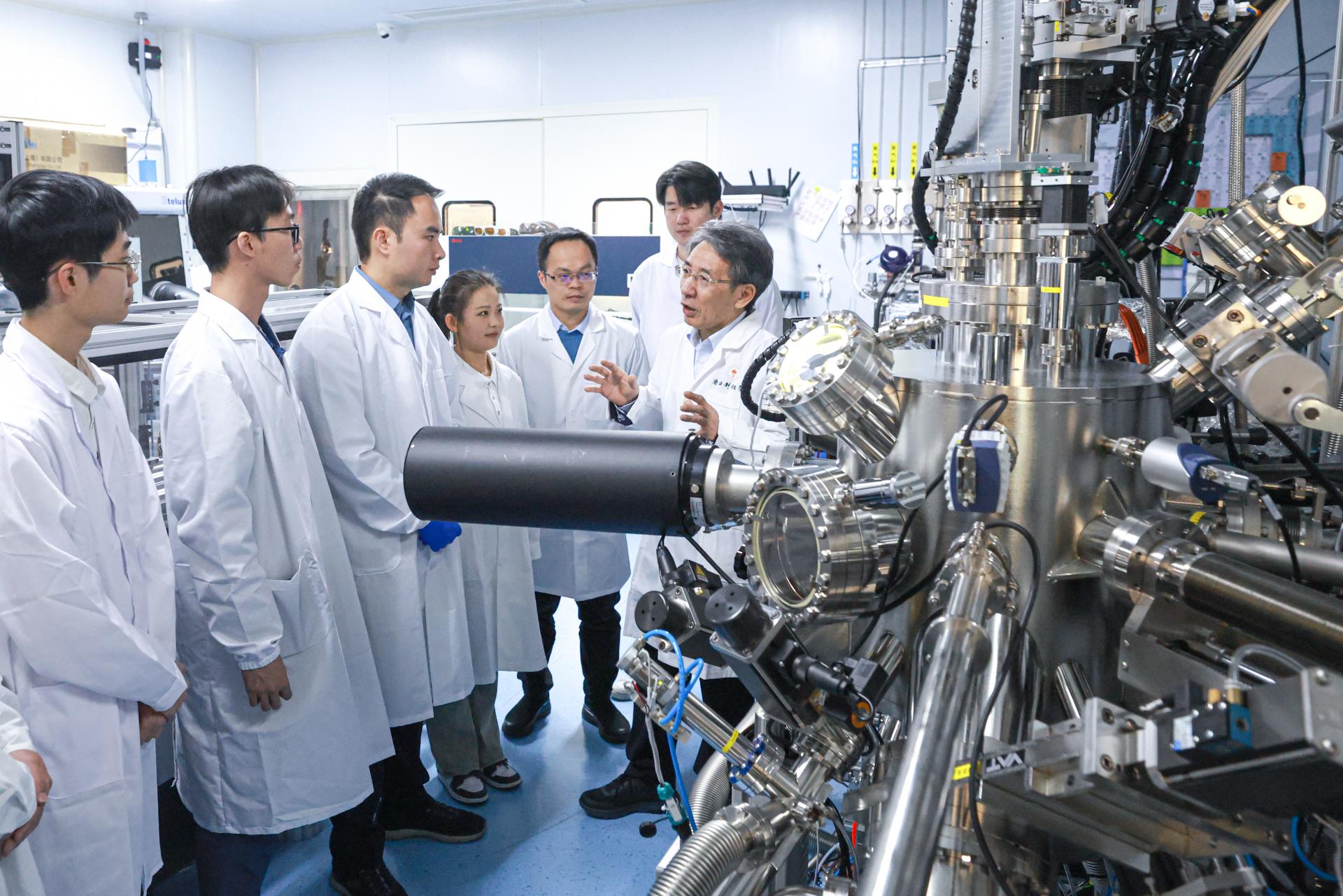
Academician Qikun XUE’s team made a key breakthrough in the study of high-temperature superconductivity mechanisms.
“SUSTech is comprehensively promoting the ‘trinity’ reform of education, science and technology, and talent; fully leveraging the advantages of a new-type research university, achieving a leap from ‘reform testing ground’ to ‘innovation source.’ Moving forward during the 15th Five-Year Plan, we will further implement the ‘335’ strategy in depth, fully stimulating the role of universities as the main force in science and technology and the main base for talent cultivation, striving to build a world-class university with as broad an influence, as soon as possible,” said President and Academician of the Chinese Academy of Sciences, Qikun XUE.
SUSTech has always adhered to the guidance of the “Four Oriented Principles” and has established a trinity research and innovation system of “discipline–talent–platform.” By focusing on emerging interdisciplinary fields such as quantum science, materials genome, and intelligent manufacturing, it has initially formed a new research-oriented university model with characteristics unique to SUSTech.
Here, the seeds of original innovation “from 0 to 1” are deeply embedded in the fertile soil of national and regional development. To strengthen the country’s strategic scientific and technological capabilities, the university has established 11 major research platforms led by outstanding scientists and strategic scientists, focusing on areas such as carbon neutrality, robotics and intelligent manufacturing, sustainable materials, cutting-edge biotechnology, and technology finance, creating a distinctive and strong research framework. Since last year, the National Key Laboratory of Quantum Functional Materials, led by SUSTech, has been successfully approved. The university has participated in the co-construction of the National Key Laboratory of Advanced Manufacturing and Application Technology for Optical Fibers and Cables and the National Key Laboratory for Soil Pollution Prevention and Safety, achieving breakthroughs in the construction of national-level research platforms.
A solid research framework and an increasingly complete innovation ecosystem have fostered vibrant original capabilities. SUSTech has a comprehensive disciplinary system covering science, engineering, medicine, business, and distinctive humanities and social sciences, and is vigorously promoting interdisciplinary integration through “AI+X.” In just six years, the university has established a complete education system from undergraduate to Doctoral programs, and last year, it ranked first in the country for the number of newly added Doctoral programs. In ShanghaiRanking’s Global Ranking of Academic Subjects 2025 (GRAS), several disciplines have reached the top 10 in China, and for six consecutive years, it has ranked first among mainland Chinese universities in the Times Higher Education Young University Rankings. Three disciplines have entered the ESI global top 1% and the total number of disciplines in the global top 1% has reached 17, showing a strong trend of rapid advancement and interdisciplinary integration in disciplinary development.
Creating a ‘strong magnetic field’ for talents and cultivating a new generation capable of taking on great responsibilities
In the Chuangyuan Laboratory, a team led by Professor Haiping XIA, Chair of the Department of Chemistry, researches a molecular structure known as a “metallic core wheelene,” which was published in Nature this year. The American Chemical Society’s Chemical & Engineering News commented: “This achievement redefines metal heteroaromaticity and may be included in textbooks.”
This year, Haiping XIA, along with Weiping LIU and Jun LI, three professors from SUSTech, were elected as academicians of the Chinese Academy of Sciences. In interviews, all three academicians mentioned that it was precisely the fertile ground of reform and opening-up in Shenzhen, the new research-oriented university SUSTech, and the favorable development environment and academic atmosphere that provided them with solid support and offered a broad stage with great opportunities.
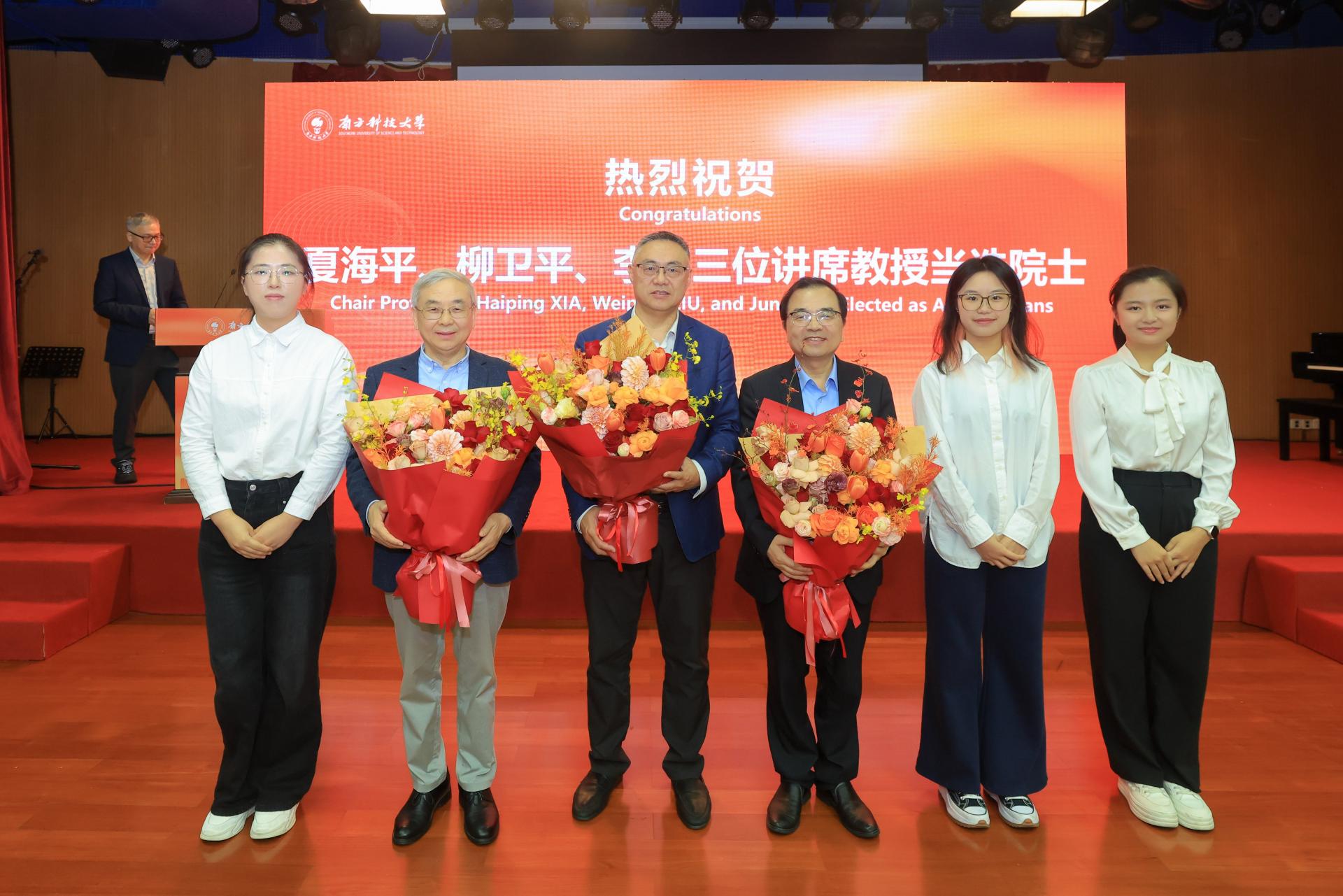
Three newly elected academicians attend SUSTech’s Academicians and Experts symposium
Over the past 15 years, SUSTech has become a fertile ground for talent in the Greater Bay Area through pioneering reforms in evaluation mechanisms and a dynamic environment for talent development. SUSTech took the lead in breaking with tradition by implementing a university-wide appointment system aligned with international standards and a “quasi-tenure to tenure” system, establishing a new, flexible, and efficient human resources management mechanism that allows talent to enter and leave smoothly. To date, the university has assembled a high-level teaching and research team of approximately 1,300 members, over 90% of whom have overseas work or study experience, more than 60% have worked or studied at universities ranked in the world’s top 100, and more than half are nationally recognized high-level talents.
With the gathering of high-level talents, several internationally influential landmark achievements have been produced, establishing the reputation and status of the teaching and research teams in both domestic and international academic circles. In recent years, scholars from SUSTech have won numerous major awards at home and abroad: the “State Preeminent Science and Technology Award” and the “First Prize of the National Technological Invention Award,” representing the highest level in China; internationally recognized authoritative awards such as the “Buckley Prize,” the “Fritz London Prize,” and the “Daikin Award,” as well as emerging domestic cutting-edge science awards including the “Tengchong Science Prize,” the “Future Science Prize,” the “Science Exploration Award,” and the “New Cornerstone Investigator Program,” showcasing strong scientific research vitality and sustained development potential.
Complementing the outstanding faculty is a training system for top innovative talents.
Mengze LIANG from Shandong was admitted to SUSTech this year with outstanding results. Before filling out his application, he specifically looked up the historical admission trends of SUSTech in his area, and the clear upward trajectory amazed him. “The academic freedom here is something I aspire to. In the first year, you can explore a wide range of subjects, then choose your major in the second year, and even during the undergraduate phase, you can get deeply involved in a mentor’s laboratory. This kind of training model is very appealing.”
What attracted him was precisely the unique educational model of SUSTech. The university has deeply explored a model for cultivating top-notch innovative talents and was the first in China to adopt the “631” comprehensive evaluation admission system based on the college entrance examination, focusing on selecting students with innovative potential. The dual-college system fosters collaboration in education, creating an academic community where teachers are also friends; the combination of a credit system and a mentorship system gives students ample freedom to plan their studies and explore their interests. Classes extend from the classroom to key laboratories, and then to top competitions such as the “Challenge Cup” and the “China International College Students” Innovation and Entrepreneurship Competition. The pulse of frontline industries connects the campus, allowing knowledge imparting and skill development to resonate harmoniously. In 2025, SUSTech implemented, for the first time, a regular undergraduate admission batch across three provinces, with Guangdong’s admission threshold consistently ranking first among local universities, and its admission positions continuing to rank among the top in the country.
Xiaoyang LI, who completed his Bachelor’s, Master’s, and Doctoral degrees at SUSTech, returned this year to take up a position as an assistant professor in the Department of Electronic and Electrical Engineering at SUSTech. Earlier this month, he gave his first lecture at the Lecture Hall of the First Research Building, feeling deeply moved: “When I was a student, I once sat in the audience just like all of you, watching masters like Zhenning YANG and Watson. Returning to my alma mater, I feel an added sense of responsibility and hope to help cultivate more outstanding talents for SUSTech.”
“Looking back at my undergraduate years, the most precious thing was the ‘freedom to grow.’ That kind of freedom allowed me to take multiple majors as electives, explore across disciplines to my heart’s content, and have enjoyable discussions with professors from various courses.” Jiaonan SUN, an alumna of the 2016 class, is now a distinguished professor at the School of Chemical Engineering and Light Industry, Guangdong University of Technology. She recalls that it was her time at SUSTech that broadened her horizons, enhanced her skills, and instilled in her academic career the ideal of “serving the country through science and technology.”
The first graduate, Zhi ZHANG, founded the company “Nanke New Materials” and won the inaugural National College Graduates’ Excellence in Grassroots Employment Award, and has donated one million yuan to his alma mater. Fellow first undergraduate graduate Jiale WANG returned to China after earning his PhD at Oxford University and joined Huawei HiSilicon as a researcher. Alumnus Jianzhi HUANG co-founded Jingyue Technology, a company engaged in data services, with business revenue exceeding 100 million yuan. Many alumni have joined institutions such as the Beijing Academy of Quantum Information Sciences, the University of Hong Kong, the National University of Singapore, Nanjing University, and others to conduct cutting-edge research…
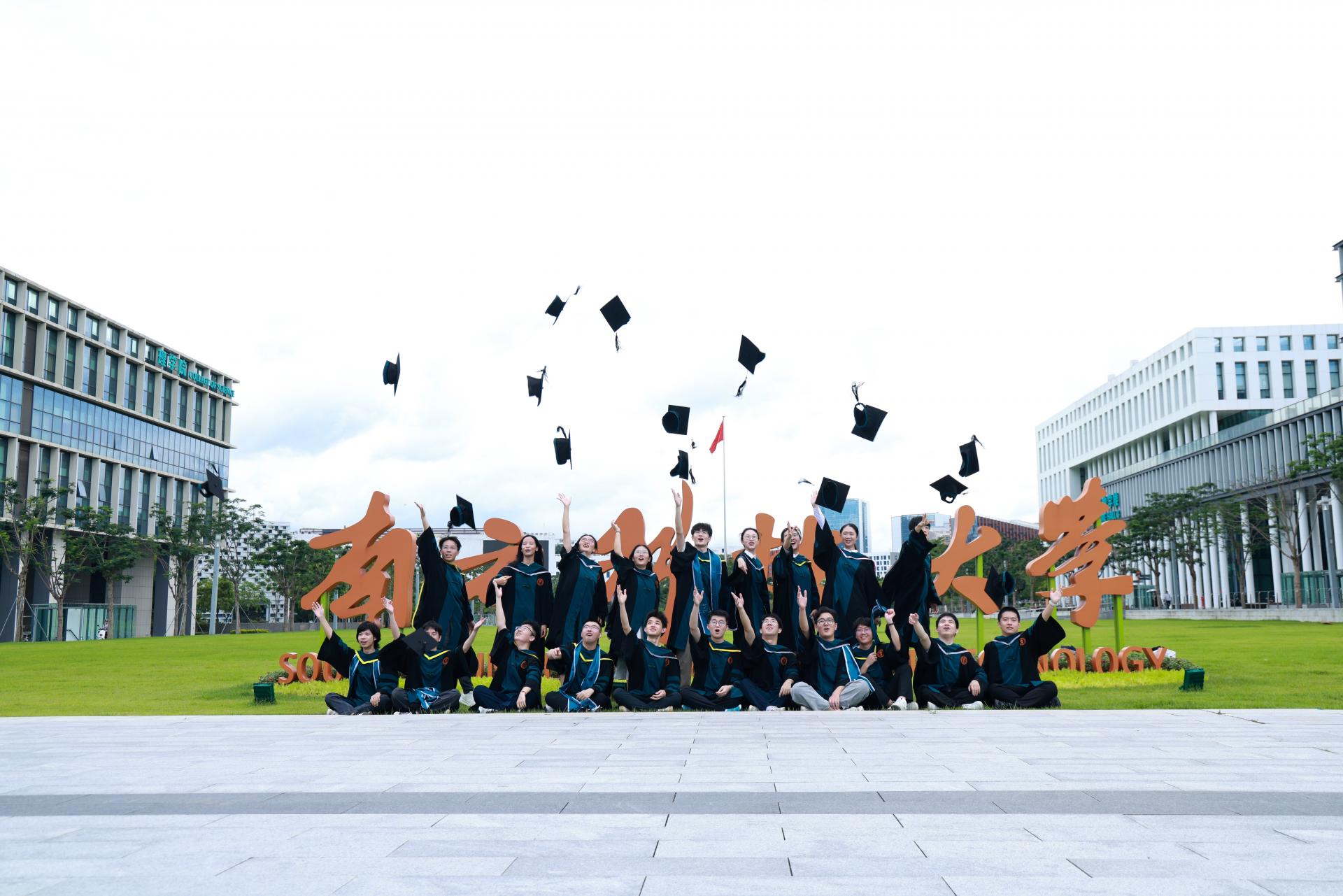
About 80% of the university’s undergraduates choose to pursue further studies each year. Among those studying abroad, 50% go to universities ranked in the top 50 of the QS World Rankings, while more than 95% of students continuing their studies in China enter “Double First-Class” universities. Among graduates who choose to enter the workforce, 70% stay in the Guangdong-Hong Kong-Macao Greater Bay Area, and nearly 40% are employed by Fortune Global 500 or China Top 500 companies. In this year’s ranking of Chinese university undergraduate and graduate quality, SUSTech ranks first in the nation. This series of impressive data fully highlights the strong competitiveness of the university’s graduates in both further education and employment, and also demonstrates a high alignment between talent cultivation quality and regional development needs.
Building a development ‘community’ and bravely shouldering the mission to serve the national strategy
The growth of SUSTech has been deeply integrated into the development of the city of Shenzhen and is closely connected with the construction blueprint of the Guangdong-Hong Kong-Macao Greater Bay Area and the national strategy of building a strong science and technology nation.
The school actively aligns with the construction of the Guangdong-Hong Kong-Macao Greater Bay Area International Science and Technology Innovation Center and comprehensive national science centers, establishing multiple platforms such as the National College for Outstanding Engineers, the Shenzhen-Hong Kong Microelectronics College, and the Advanced Institute of Artificial Intelligence, promoting a model of integration between science, education, and industry. It has established a presence in the Hetao Shenzhen-Hong Kong Science and Technology Innovation Cooperation Zone, accelerated the construction of the Greater Bay Area Quantum Science Center, and facilitated the efficient cross-border flow of innovative resources such as talent, technology, and capital.
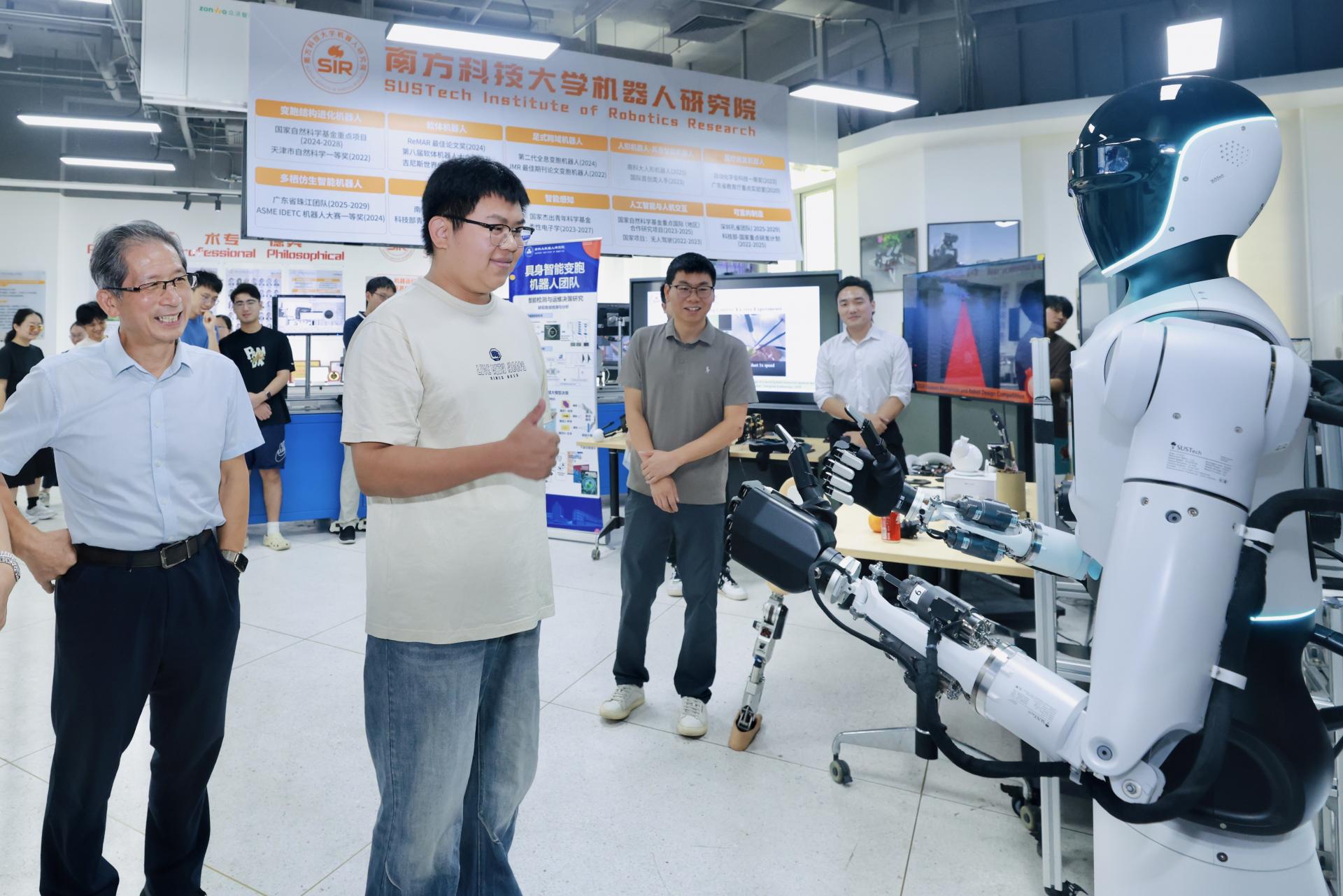
“Nanke Pangu” interacting with the team
In the Robotics Research Institute, “Nanke Pangu” is repeatedly practicing its grasping movements. As Shenzhen’s first humanoid robot entirely independently developed by a university, it took only 10 months to go from laboratory design to a fully functional machine. SUSTech’s independently developed multimodal large model and original algorithms for the bionic mechanical arm are directly embedded into the system, and the close cooperation between the university and industry allows key components such as sensors and dexterous hands to be quickly sourced locally, truly achieving the “four-chain integration” of the innovation chain, industry chain, capital chain, and talent chain.
The university is focused on breaking down barriers between schools and enterprises and accelerating the integration of industry, academia, and research. Currently, SUSTech has established various forms of cooperation of different scales with numerous enterprises in the Greater Bay Area. These include both flexible, independent horizontal project collaborations and joint laboratory co-construction models based on deep partnerships. At present, there are over 100 joint school and enterprise laboratories with cooperation projects exceeding five million yuan, covering multiple cutting-edge fields such as new energy, quantum technology, and energy storage.
In terms of serving society, SUSTech’s contributions are reflected not only in cutting-edge technology but in basic education and healthcare as well. Supporting ‘quality education for all,’ the SUSTech Affiliated Education Group oversees 15 schools covering all seven districts of Shenzhen. Led by SUSTech, Shenzhen Ocean University is expected to have its first phase of the campus fully completed by December 2026. Promoting “excellent medical care for all,” in the healthcare sector, as the main structure of the SUSTech Affiliated Hospital (main campus) reaches its apex stage, a research-oriented hospital focusing on three centers of medical excellence, transformed from blueprint to reality. Additionally, 20 affiliated hospitals, teaching hospitals, and partner public health institutions provide convenient and high-quality medical services to citizens.
In the recently concluded 15th National Games of the People’s Republic of China, more than 800 volunteers from SUSTech rushed to every corner of the venues. This spirit of volunteerism, where “tiny lights form a torch,” is a vivid reflection of love for country. Every year, students cultivate their dreams in vast rural areas by participating in the Western Development Program or, leveraging the ‘Belt and Road’ initiative, they use the power of technology to contribute to shared development.
At the same time, SUSTech’s vision has always been global. The school has established partnerships with 140 top universities in 46 countries and regions around the world. SUSTech jointly established a medical school with King’s College London, which has been listed by the General Medical Council of the United Kingdom as a new institution authorized to award UK clinical medicine degrees, marking the first time a Chinese university has appeared on this list.
15 years of elegance and vitality and moving forward towards the new. From the profound principles of quantum science to the agile implementation of humanoid robots, pioneering innovations in the laboratory to industrial collaboration in service areas, from the fertile grounds of the Pengcheng campus to the network of global cooperation, SUSTechers are vividly demonstrating how a new type of research university grows with the city, progresses with the Greater Bay Area, and shares its destiny with the nation; striving to write a brilliant chapter in the integrated development of education, technology, and talent.
Proofread ByNoah Crockett, Junxi KE
Photo By