Gammaherpesviruses are one of the three major subfamilies of the Herpesviridae and widely infect a broad range of mammals, including humans, causing significant disease. This subfamily includes two important human oncogenic viruses, Epstein-Barr virus (EBV) and Kaposi’s sarcoma–associated herpesvirus (KSHV), both of which are closely linked to multiple malignancies and autoimmune diseases. Coinfection with EBV and KSHV is associated with particularly severe tumors, such as primary effusion lymphoma (PEL). In addition, animal gammaherpesviruses infecting livestock such as sheep and cattle cause devastating diseases characterized by malignant fever and infertility. Despite their medical and veterinary significance, effective vaccines and neutralizing antibodies against gammaherpesviruses are still lacking. Achieving cross-protection across different viral genera and host species has long remained a central challenge in the field.

As enveloped viruses, gammaherpesviruses rely on a highly conserved membrane fusion process to enter host cells. Glycoprotein B (gB) is an essential fusion protein shared by all herpesviruses and is considered a promising target for broad-spectrum intervention. However, previous studies have largely focused on human gammaherpesviruses, leaving the structural and functional understanding of animal gammaherpesvirus gB incomplete. Whether a common neutralization vulnerability exists across genera and species has remained unclear, hindering the development of gB-based broadly protective vaccines and antibodies.
To address this critical question, the team led by Chinese Academician Mu-Sheng ZENG and Cong SUN at the Sun Yat-sen University Cancer Center collaborated with Zheng LIU’s team at the Cryo-Electron Microscopy Center and Department of Pharmacology, School of Medicine, SUSTech. Leveraging a previously developed EBV chimeric nanoparticle vaccine, researchers employed mouse immunization followed by antigen-specific single B-cell screening and sequencing, and identified a gB-targeting monoclonal antibody, Fab5. This antibody was found for the first time to exhibit cross-genus gB binding and broad neutralizing activity against gammaherpesviruses. By determining high-resolution structures of Fab5 in complex with gB from multiple gammaherpesviruses, the study identified a conserved neutralization epitope shared across gammaherpesvirus genera. The study, entitled “A broadly protective antibody targeting gammaherpesvirus gB,” was published online as an accelerated preview in Nature on February 2, 2026. This work represents the first report of a neutralizing monoclonal antibody with broad-spectrum anti-gammaherpesvirus activity and reveals a conserved, functionally critical neutralization site on gB, providing a structural blueprint for rational antibody and vaccine design.
The researchers selected gB proteins from a range of human and animal gammaherpesviruses to systematically assess the cross-genus recognition capacity of Fab5. Biolayer interferometry and cell-surface binding assays showed that Fab5 efficiently binds gB from EBV, rhesus lymphocryptovirus (rhLCV), and murine gammaherpesvirus 68 (MHV68), with substantially broader binding breadth than previously reported gB-neutralizing antibodies. Functional cell-cell fusion assays further demonstrated that Fab5 broadly inhibits gB-mediated membrane fusion across multiple gammaherpesviruses, indicating strong functional conservation of its target epitope. In authentic virus neutralization assays, Fab5 effectively blocked infection by EBV, KSHV, rhLCV, and MHV68 in multiple cell types.
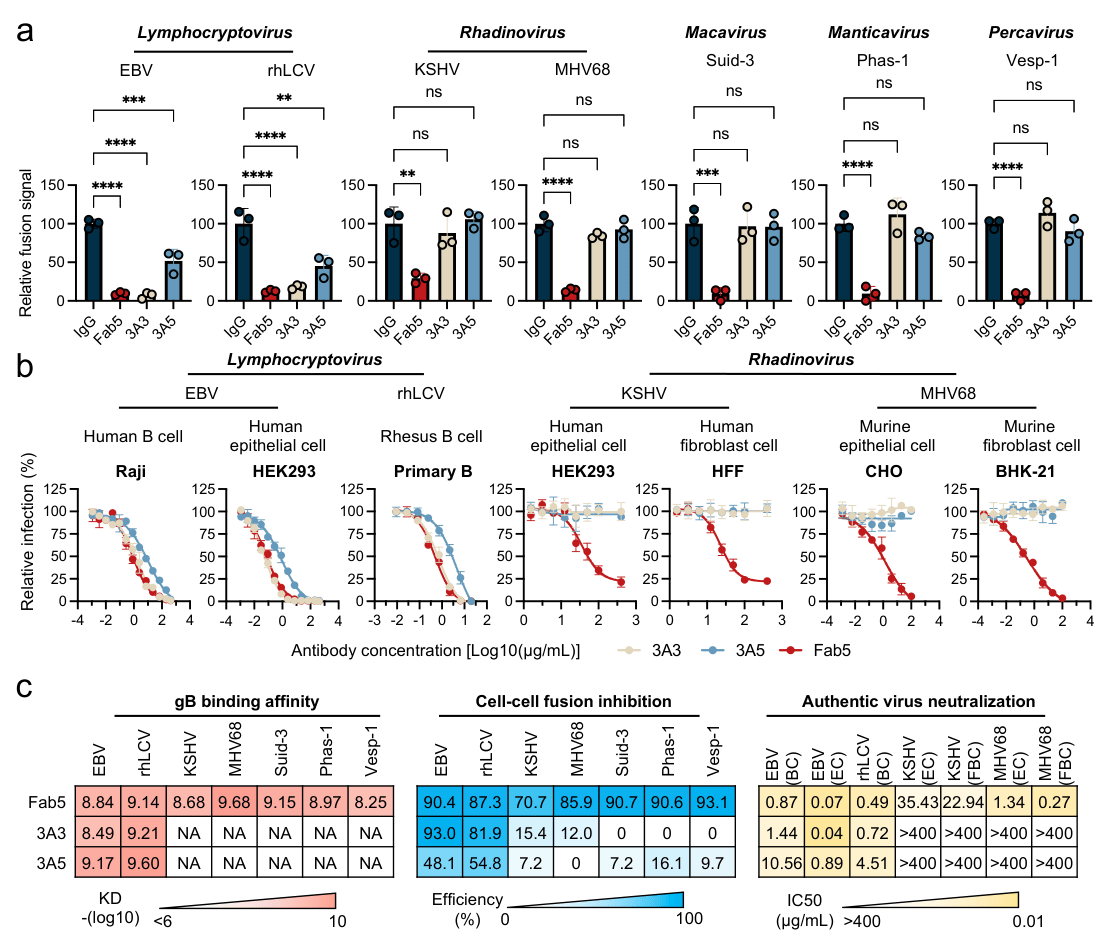
Figure 1. Fab5 broadly inhibits gammaherpesvirus membrane fusion and viral infection.
Based on these in vitro findings, researchers systematically evaluated the protective efficacy of Fab5 in multiple animal models. In a humanized mouse model coinfected with EBV and KSHV, passive immunization with Fab5 significantly improved survival and markedly reduced viral loads of both viruses in the spleen and other tissues. Histopathological and in situ hybridization analyses showed that Fab5 suppressed virus-associated lymphoproliferation and pathological changes, whereas a control antibody targeting only EBV failed to ameliorate KSHV-associated pathology.
In animal gammaherpesvirus models, infection and latency were established using MHV68 in immunocompetent mice. Prophylactic administration of Fab5 significantly reduced MHV68-induced splenomegaly, lowered tissue viral copy numbers, and decreased the number of latently infected cells. Therapeutic administration also conferred partial viral suppression. Moreover, in a rhesus macaque model susceptible to rhLCV, passive immunization with Fab5 nearly completely blocked viremia and oral viral shedding, with no evident adverse effects or seroconversion observed.
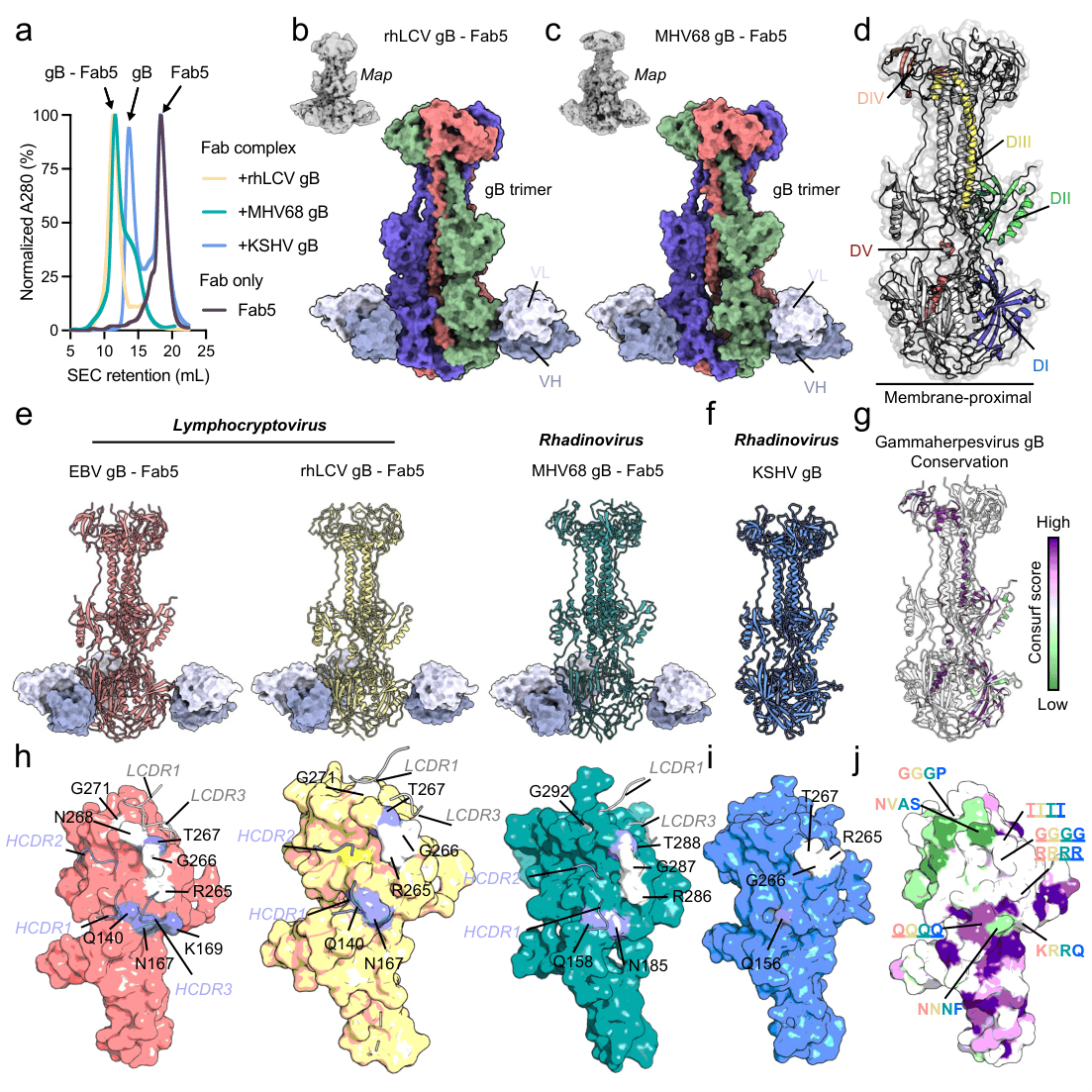
Figure 2. Magnetic classification based on SSG and MSG symmetry criteria, and statistical analysis of magnetic material classification based on the MAGNDATA database.
To further explore material realizations of this theory, the research team systematically screened 2,065 experimentally known magnetic materials in the MAGNDATA database using their developed online analysis program FINDSPINGROUP. The results indicate that 479 materials belong to the ferromagnetic category, while 1,586 belong to the antiferromagnetic category. Among the antiferromagnetic materials, 224 satisfy the criteria for spin-orbit magnetism, providing a large pool of candidate systems for future experimental studies.
This work establishes a unified conceptual foundation for systematically analyzing and understanding emerging magnets through a symmetry-based ferromagnetic-antiferromagnetic dichotomy. For example, both altermagnetism, which has recently attracted considerable attention, and the SOM proposed in this study are, in essence, distinct subclasses within the broader category of antiferromagnetism, distinguished by additional physical properties. The anomalous Hall effect observed in altermagnets, meanwhile, arises from the presence of SOM in these materials rather than from altermagnetism itself. In addition, this study unifies the symmetry frameworks of MSGs and SSGs, thereby not only reexamining the foundations of magnetism from the perspective of symmetry theory but also providing a new theoretical tool for discovering unconventional magnetic materials with exciting properties.
The first authors of the paper include Yuntian LIU, a 2019 PhD student in the Department of Physics at SUSTech (currently a postdoctoral fellow at the State University of New York at Buffalo), and Xiaobing CHEN, an associate researcher at the Guangdong-Hong Kong-Macao Greater Bay Area Quantum Science Center. Co-authors include Yutong YU, a 2025 PhD student in the Department of Physics, and Professors Jesús Etxebarria and J. Manuel Perez-Mato from the University of the Basque Country/Euskal Herriko Unibertsitatea in Spain. Qihang LIU is the sole corresponding author. SUSTech is the first affiliation of the paper.
Paper Link: https://www.nature.com/articles/s41586-026-10192-5
Proofread ByNoah Crockett, Junxi KE
Photo By