In structural cell biology, single-molecule localization microscopy (SMLM) has advanced optical imaging resolution to the nanometer scale. The ultra-high resolution of this technique heavily relies on precise pre-calibration of the point spread function (PSF). When dealing with complex biological samples or deep-tissue imaging, unknown optical aberrations remain the “Achilles’ heel” that limits their performance. Traditional calibration methods are not only tedious but also frequently fail when encountering high-density, low signal-to-noise ratio data.
The research group led by Associate Professor Yiming LI from the Department of Biomedical Engineering at the Southern University of Science and Technology (SUSTech) has made significant progress in the field of 3D super-resolution imaging. The research findings, titled “Aberration-aware 3D localization microscopy via self-supervised neural-physics learning,” were published in the international journal Nature Communications. The research team proposed a self-supervised neural-physics learning framework named LUNAR (Localization Using Neural-physics Adaptive Reconstruction). It breaks the traditional reliance on sparse point-source calibration data, achieving calibration-free “blind” high-fidelity 3D nanoscopy.
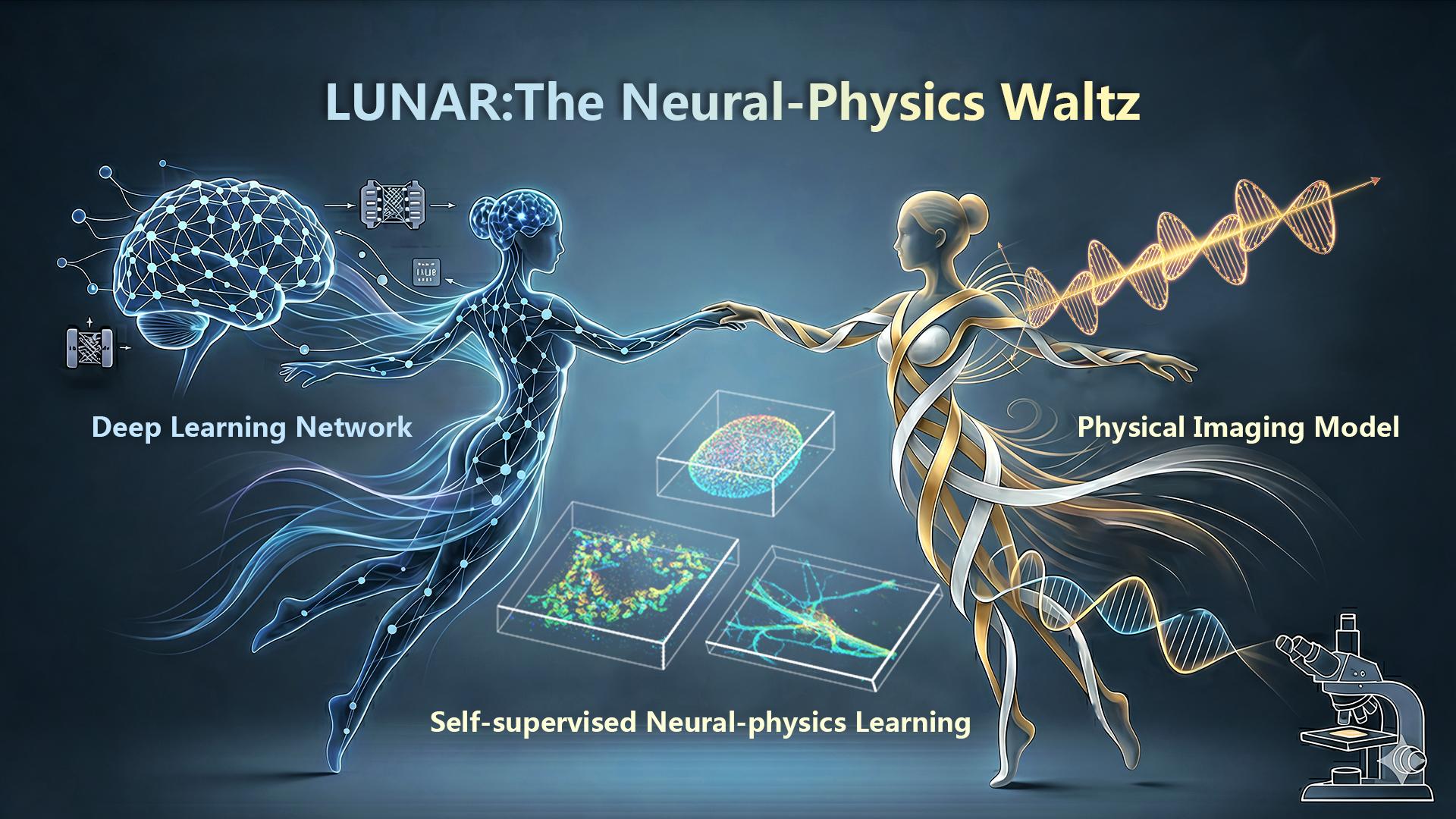
While traditional maximum likelihood algorithms heavily rely on pre-calibration and pure deep learning approaches act as a “black box,” LUNAR takes a distinctive path. It pioneeringly integrates a neural network “encoder” with a “decoder” rooted in the laws of physical optics. Utilizing a self-supervised learning strategy, the framework eliminates the need for massive training image pairs, directly and simultaneously learning both the 3D positions of molecules and the system’s aberration information from raw, overlapping single-molecule images. Meanwhile, the decoder strictly adheres to vectorial optical diffraction theory, breaking the “black box” limitations of conventional AI and imparting explicit physical meaning to aberration modeling. Regarding the network architecture, the incorporated ConvNeXt and Transformer modules effectively capture spatio-temporal features across multiple frames, enabling the model’s multi-frame localization precision to reach the theoretical information limit.
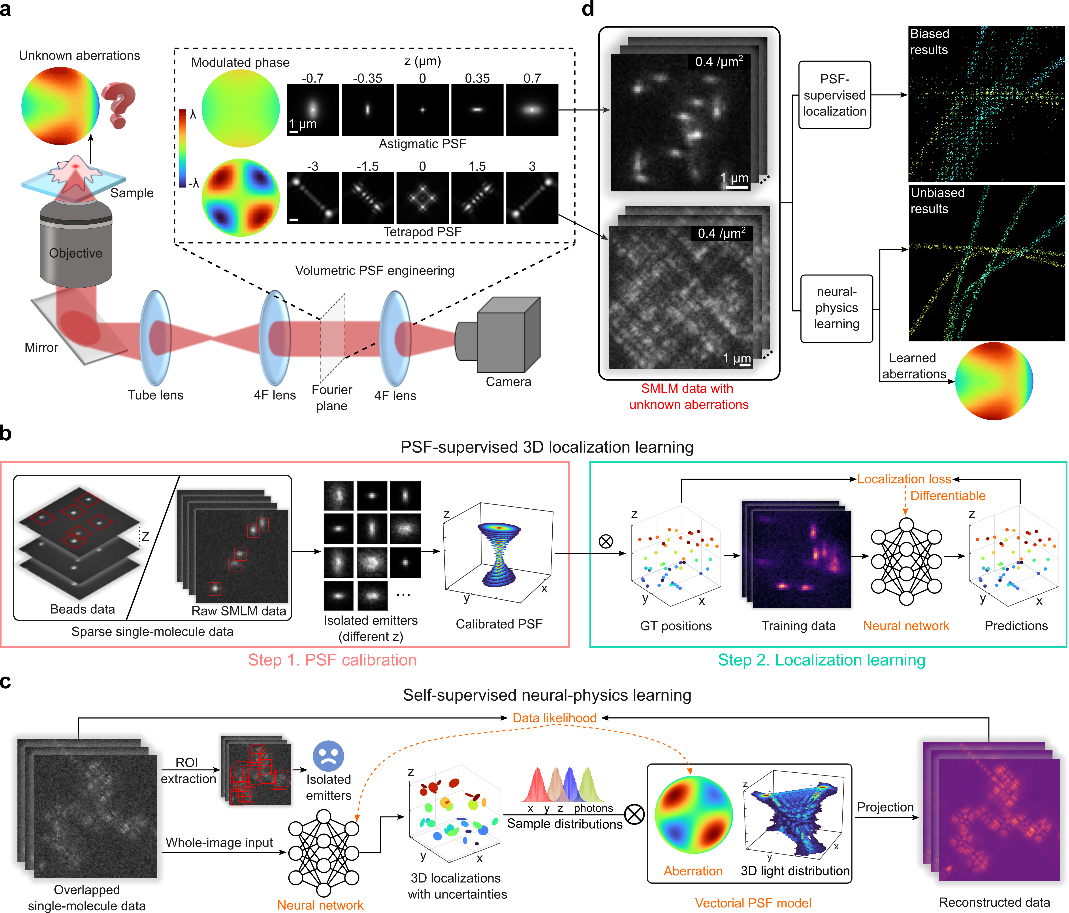
Figure 1. The principle of LUNAR
In comprehensive benchmarking, LUNAR demonstrated robustness that far surpasses existing mainstream algorithms. When processing simulated datasets with varying degrees of unknown aberrations, the localization error was reduced by more than 6-fold compared to current state-of-the-art methods. Even under extreme conditions with highly overlapping molecular signals, the framework maintains exceptionally high 3D localization efficiency and aberration estimation accuracy. Benefiting from its spatiotemporal attention mechanism, LUNAR exhibits outstanding performance in multi-frame localization tasks, closely approaching the Cramér-Rao Lower Bound (CRLB). Within its fully automated analysis workflow, LUNAR autonomously identifies and corrects model mismatches caused by environmental factors or sample aberrations, drastically lowering the barrier to using single-molecule localization microscopy.
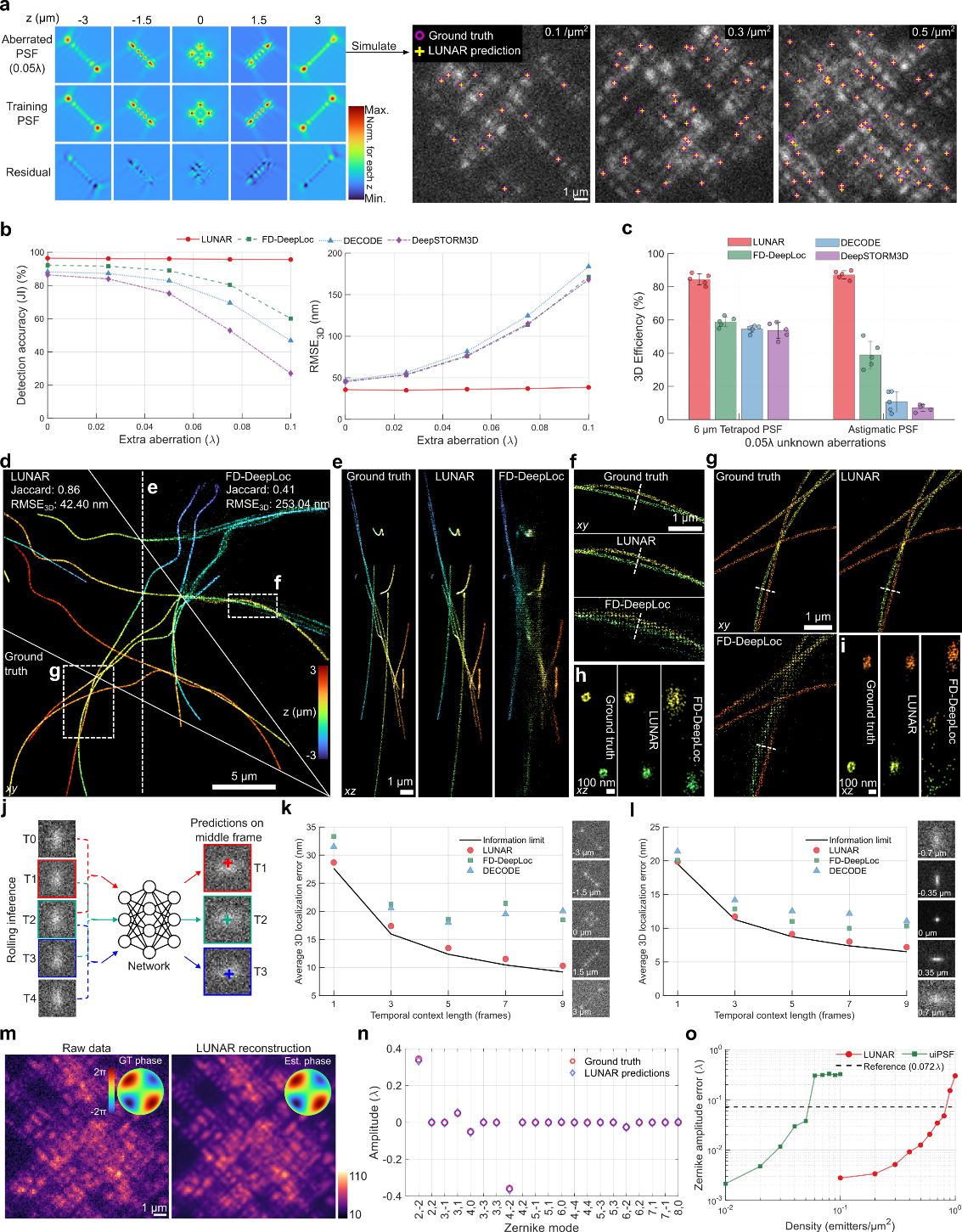
Figure 2. Comprehensive benchmarking of LUNAR
Eliminating the need for tedious PSF calibration, LUNAR has demonstrated widespread applicability across a variety of highly challenging, real-world biological specimens. First, in routine 3D super-resolution imaging, even when faced with outdated calibration data or unknown sample-induced aberrations, LUNAR precisely reconstructed the hollow structure of microtubules and the axial double-ring structure of nuclear pore complexes (NPCs) across the entire depth-of-field. Addressing the severe signal overlap encountered in large depth-of-field whole-cell imaging, LUNAR successfully achieved super-resolution “blind reconstruction.” It not only clearly restored mitochondrial outer membrane protein clusters over a large axial depth, but also fully revealed the densely interwoven 3D periodic skeleton of βII-spectrin in cultured neurons, completely eliminating grid artifacts caused by traditional deep learning localization biases. Furthermore, LUNAR exhibited exceptional multimodal compatibility: when integrated with adaptive optics systems, it penetrated 50 μm thick deep mouse brain slices to successfully achieve high-fidelity reconstruction of the axon initial segment skeleton. It also performed outstandingly in whole-cell kinesin dynamic tracking captured by lattice light-sheet microscopy.
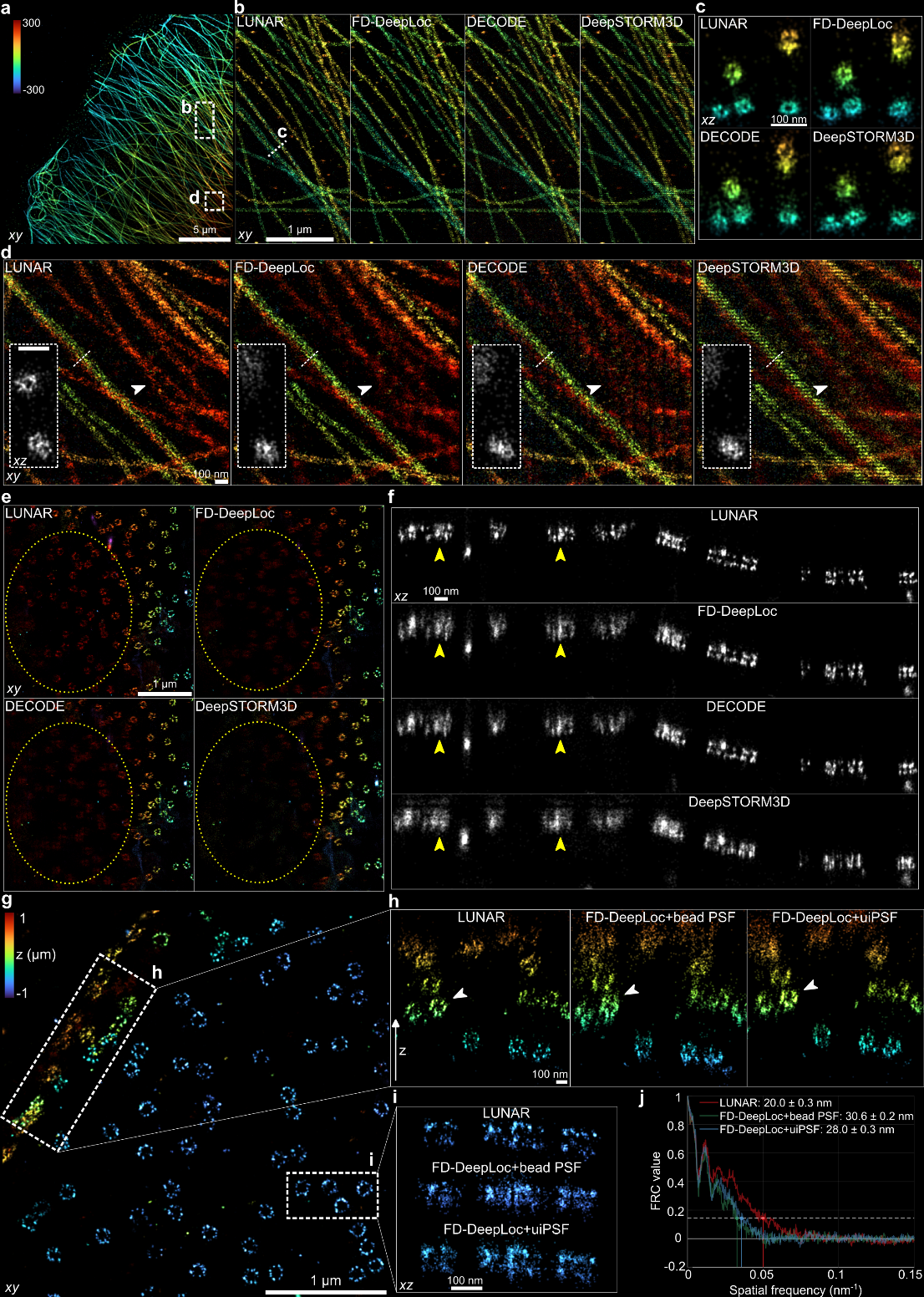
Figure 3. LUNAR enables calibration-free 3D super-resolution imaging
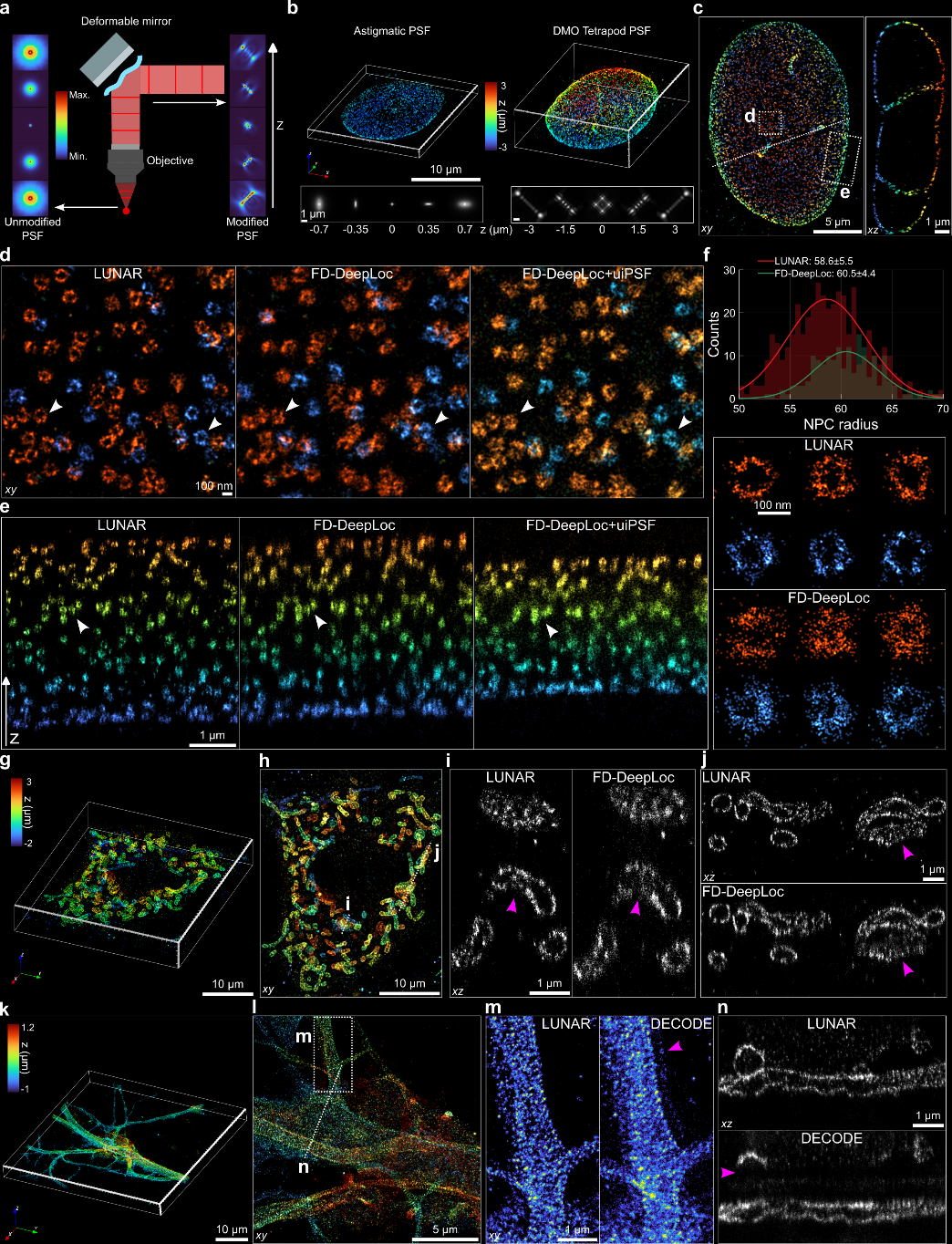
Figure 4. LUNAR enables blind whole-cell super-resolution imaging without scanning
By integrating deep learning with physical optical models, the LUNAR framework has successfully overcome long-standing bottlenecks such as model mismatch, complex aberration interference, and high-density signal overlap, providing a new “blind analysis” paradigm for SMLM. Looking ahead, this neural-physics learning philosophy is expected to extend to a wider range of computational imaging modalities. The team will also further simplify the software user interface to lower the technical barrier to entry, helping life science researchers worldwide acquire deeper, more accurate, and clearer images of the microscopic world.
Postdoctoral researcher Shuang FU is the first author and Associate Professor Yiming LI is the corresponding author of the paper. SUSTech is the first affiliation of the paper.
Article Link: https://www.nature.com/articles/s41467-026-73045-9
Proofread ByNoah Crockett, Junxi KE
Photo ByYan QIU