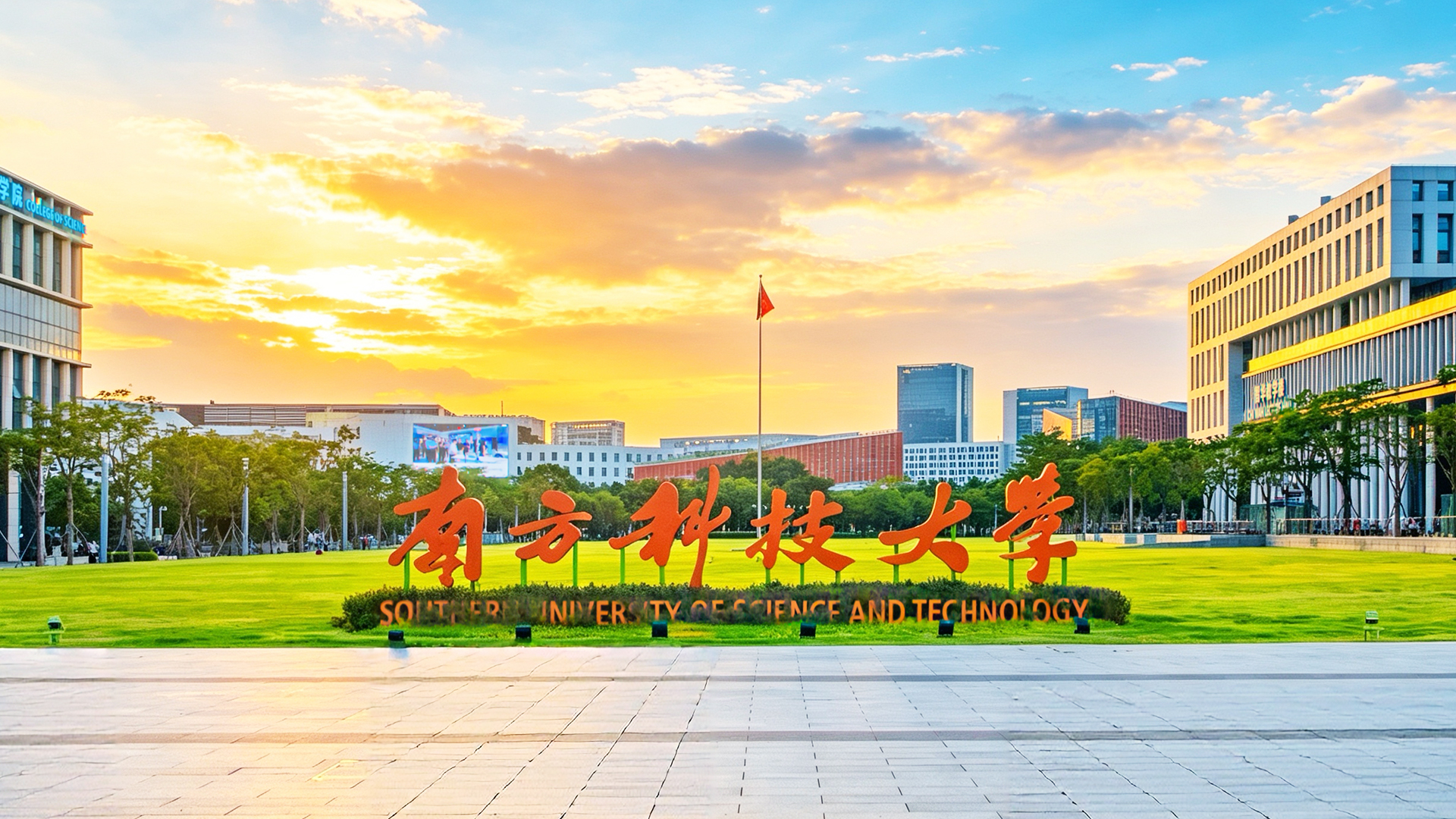
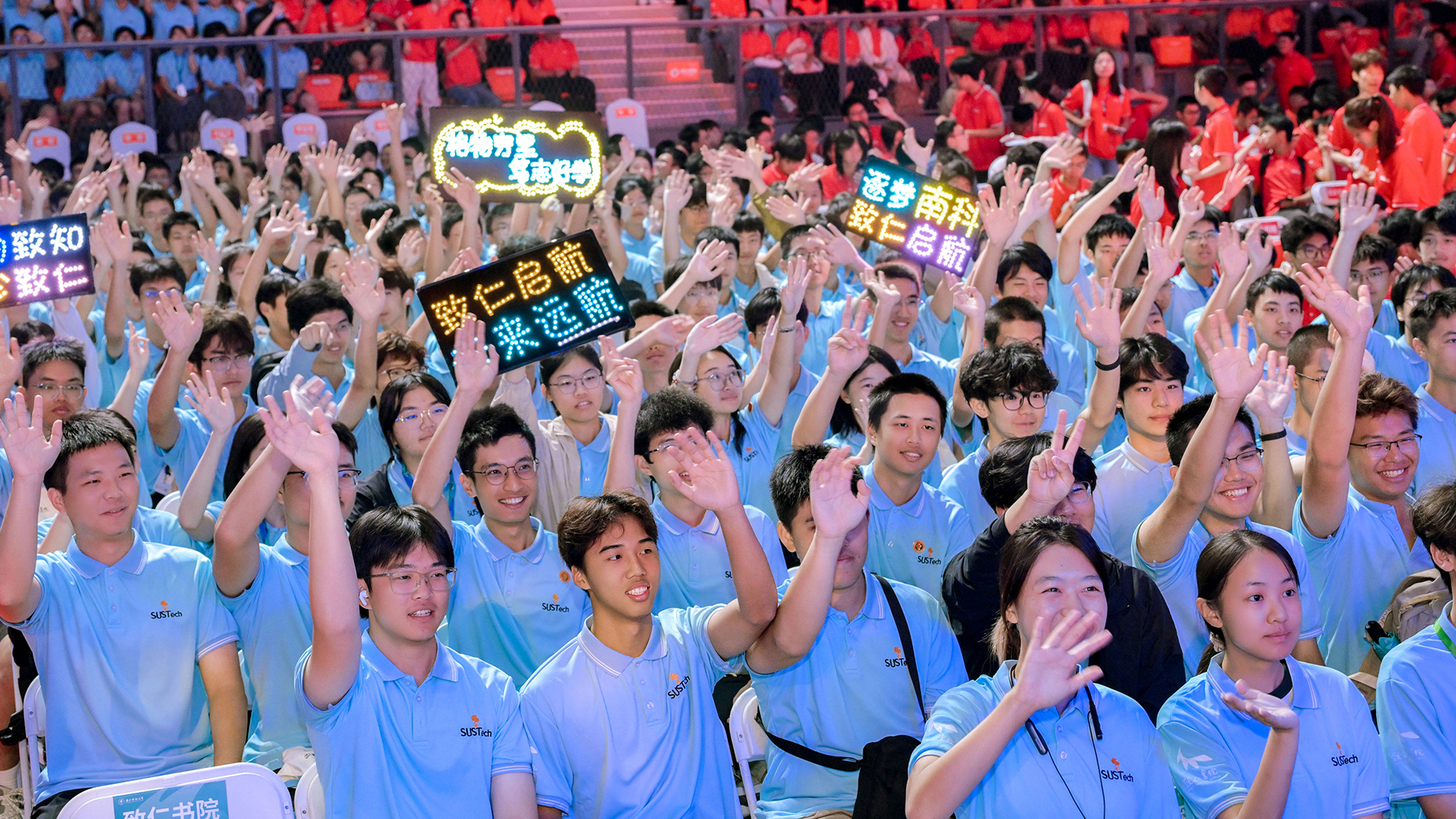
From July 4 to 5, 2026, the 3rd International Symposium on Artificial Intelligence for Education and Learning Sciences was held at the Southern University of Science and Technology (SUSTech) Convention Center. Yurong GUO, Professor at the Center for Future Education Research at SUSTech and former University Council Chairperson of SUSTech, and Ling ZHANG, University Vice-Chairperson of SUSTech, attended the opening ceremony. Around 500 people participated in the symposium, including experts and scholars from universities and research institutes both at home and abroad, representatives of education administration departments, principals and teachers from primary and secondary schools, and professionals from the educational technology industry.
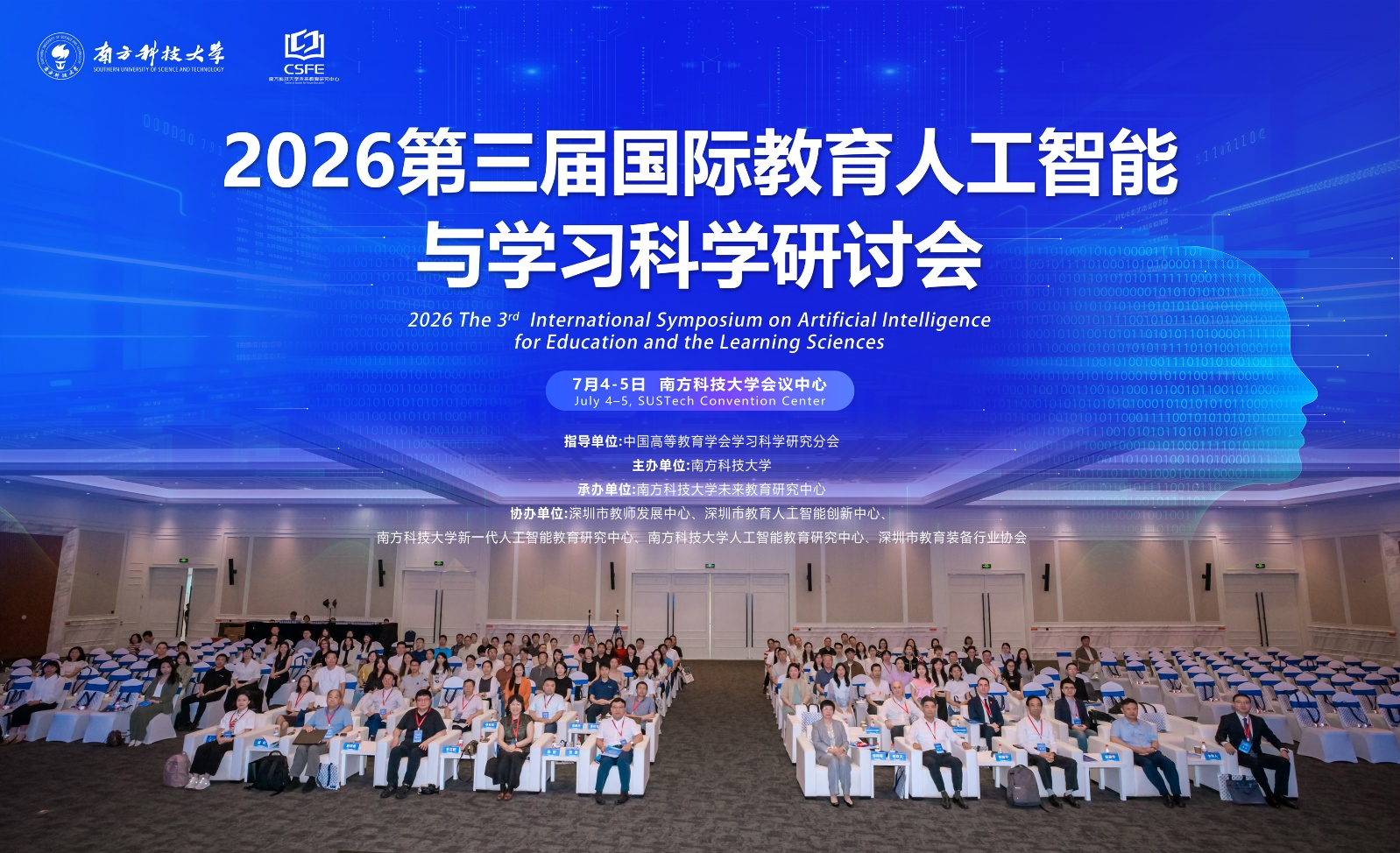
This symposium is guided by the Learning Sciences Research Branch of the China Association of Higher Education, hosted by SUSTech, and organized by the Center for Future Education Research at SUSTech. The theme of the symposium is “Learning and Instruction in the Era of Human-AI Collaboration,” focusing on the integration of AI in Education and the learning sciences. Discussions will revolve around topics like reconstructing learning paradigms, personalized learning and adaptive support, teachers’ professional judgment and teaching enhancement, and education fairness, ethics, and governance.
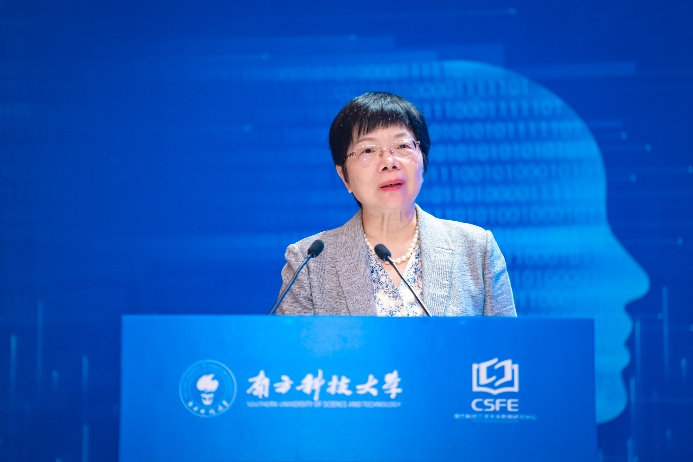
In the opening ceremony, Yurong GUO stated that the rapid evolution of generative AI is profoundly reshaping the way knowledge is produced and learned. Education urgently needs to advance human-AI collaboration based on the learning sciences and restructure classroom orchestration and learning support systems in real teaching scenarios, not only to improve learning efficiency and quality but also to return to the essence of education. While focusing on shaping learners’ values, developing creativity, promoting physical and mental health, and exploring new learning and instruction approaches that are verifiable, replicable, and scalable.
Ling ZHANG mentioned that the deep integration of AI and the learning sciences is a key lever and a “must-answer question” for building a strong education system in the country. He emphasized the need to stick to a problem-oriented approach, coordinate research innovation, platform construction, and scenario application, and push AI education applications from pilot exploration to systematic implementation. At the same time, we should improve governance and ethical frameworks, strengthen data security and algorithm transparency, promote co-construction and sharing of high-quality resources, and ensure educational equity. By fostering open collaboration among universities, enterprises, and K12 schools, the digital and intelligent transformation of education can accelerate and create a new, high-quality education ecosystem for the future.
This year’s symposium includes multiple sessions such as the International High-Level Academic Forum, the AI-Powered Educational Innovation Entrepreneur Forum, the K12 Principal Forum, and the Researchers Forum, covering scenarios from academic research to technology application and school practice. Through keynote speeches and special invited speeches, these sessions aim to promote the exchange of ideas and the sharing of outcomes. At the International High-Level Academic Forum, several experts from domestic and international universities and research institutions gave presentations and exchanged ideas on knowledge, learning, and teaching practices in the context of human-AI collaboration. In the AI-Powered Educational Innovation Entrepreneur Forum, representatives from industry associations and educational technology companies focused on applying AI in education and connecting industry and academia. In the K12 Principal Forum, several front-line principals from Shenzhen shared their practical experiences.
The symposium has further consolidated consensus on paths for educational reform in the context of human-AI collaboration and promoted the sharing, mutual learning, and scenario application of research outcomes, technical solutions, and exemplary practices. The multi-dimensional dialogue and cross-boundary connections formed at the seminar provided more systematic ideas and practical references for exploring learning paradigm reconstruction, improving teachers’ professional capabilities, and optimizing education evaluation and governance systems.
Proofread ByXueqi FENG, Junxi KE
Photo ByCenter for Future Education Research