The team led by Ruilin TIAN at the School of Medicine of the Southern University of Science and Technology (SUSTech) published a study in the neuroscience journal Neuron titled “Mapping cell-type- and age-dependent neuronal vulnerability through genome-wide in vivo CRISPRi screens in the mouse brain.” This study established a scalable, cell-type-resolved, genome-wide CRISPRi screening platform in the mouse brain and conducted systematic in vivo genetic screens across four neuronal populations and three age stages to map the functional landscape of genes related to neuron survival.

The researchers found a set of genes that couldn’t be identified in traditional in vitro models but are crucial for neuron survival in vivo. They further identified 269 core genes essential for neurons and revealed differences in susceptibility between excitatory and inhibitory neurons, as well as among neurons at different ages.
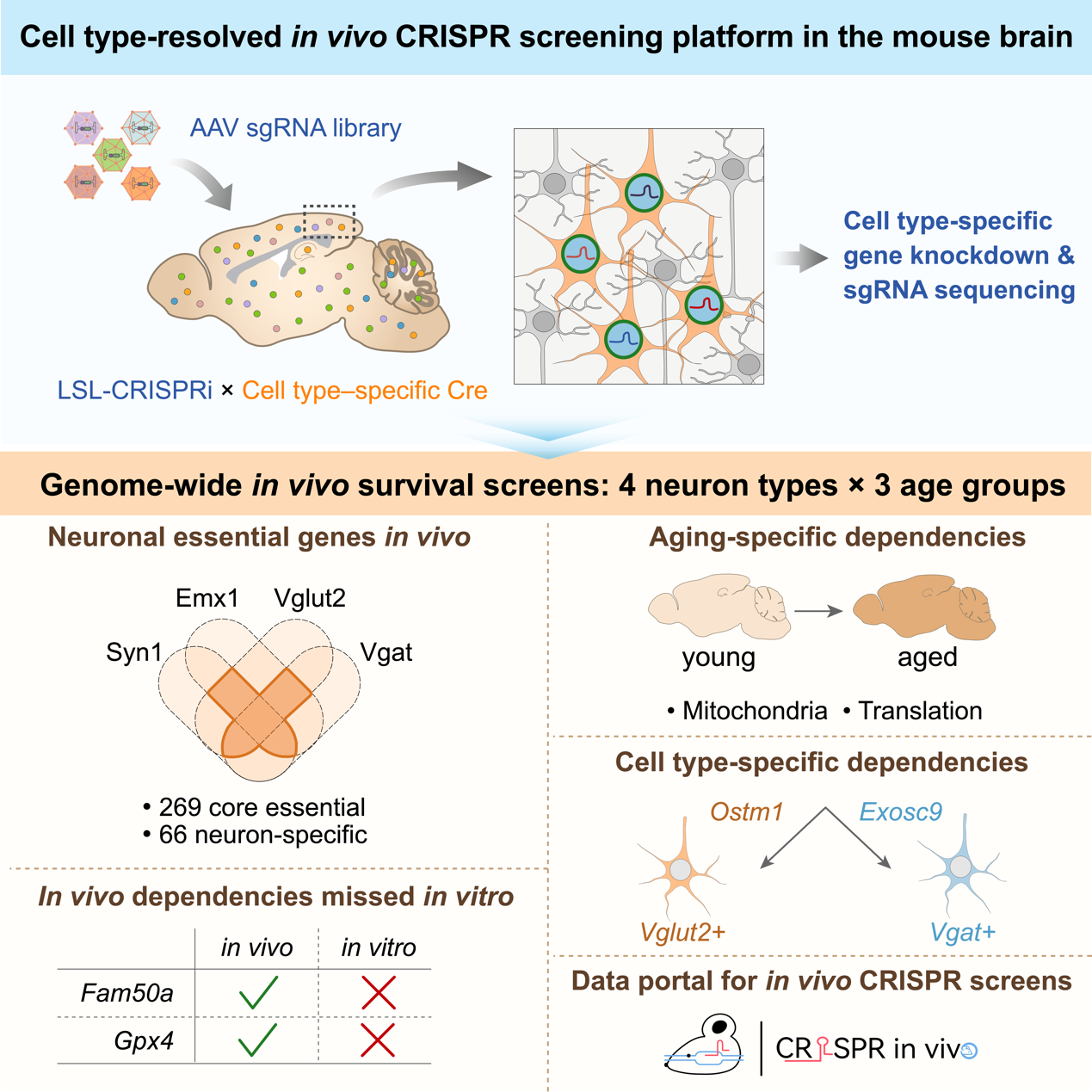
Figure 1. Graphical abstract of the article
Currently, large-scale CRISPR screens in the nervous system still mainly rely on in vitro culture models. Although models like iPSC-derived neurons have greatly advanced functional genomics studies of neurological diseases, the culture environment is fundamentally different from real brain tissue. Nutrients and antioxidants in the culture medium can buffer cellular stress, and the in vitro system struggles to fully replicate neuronal subtype diversity, neuron-glia interactions, and aging processes. To address these issues, the research team combined widespread brain delivery using AAV-PHP.eB, conditional CRISPRi mice, cell type-specific Cre mouse lines, and DIO-sgRNA vectors to establish a cell type-specific in vivo CRISPRi screening system.
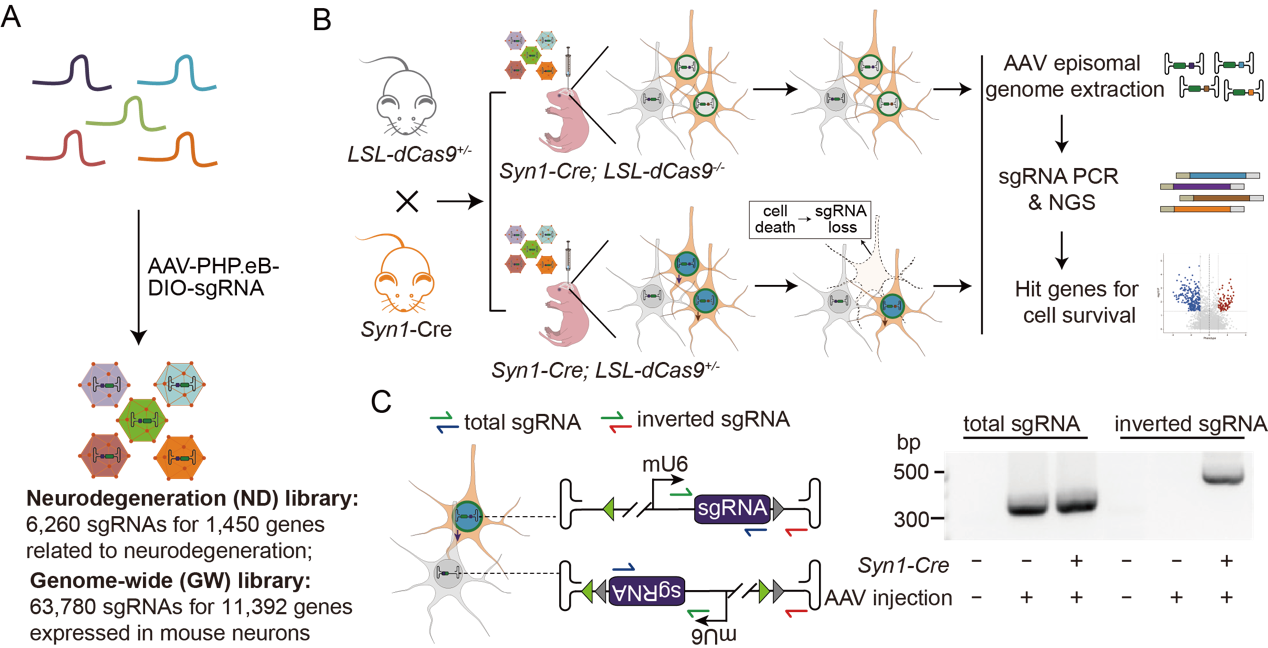
Figure 2. High-throughput CRISPR screening strategy in mouse brains
The team constructed a targeted library containing 1,450 neurodegenerative disease-related genes and a whole-genome-level library covering 11,392 neuronal expression genes, first screening Syn1-labeled pan-neurons. The screening showed high consistency among biological replicates, with a single genome-wide ROC-AUC reaching 0.93-0.97, indicating that this system can carry out large-scale genetic screening with high coverage and reproducibility in mouse brains. As observation time increased, more genes affecting neuronal survival gradually appeared. These genes were significantly enriched in basic life processes such as RNA polymerase, spliceosomes, proteasomes, RNA transport, and aminoacyl-tRNA synthesis, and were also enriched in synaptic vesicle circulation and neural disease-related pathways like ALS. More importantly, in vivo screening has identified a number of genes that do not show obvious phenotypes in traditional in vitro screening but are crucial for neuronal survival in vivo. A typical example is the key regulatory factor of ferroptosis, Gpx4. Gpx4 demonstrates significant survival necessity in mouse brain screening, and neuron-specific knockdown of Gpx4 can cause severe neurotoxicity. However, in human iPSC-derived neurons under standard culture conditions, GPX4 knockdown shows almost no obvious survival phenotype. Further experiments have shown that antioxidant components in culture media can significantly alter the phenotype of Gpx4 knockdown, suggesting that artificial culture conditions may mask the important role of some genes in the in vivo environment for neuronal survival.
Building on this, the research team further expanded the screening to different neuronal populations. In addition to syn1-labeled pan-neurons, parallel screening was also conducted in EMX1-labeled hippocampal and cortical excitatory neurons, Vglut2-positive excitatory neurons, and Vgat-positive inhibitory neurons. By integrating the whole-genome screening results of four types of neurons, the researchers defined a set of neuronal core essential genes composed of 269 genes, of which 66 are neuron-specific core essential genes.
By parallel comparison of screening results from different neuron types, the research team found that gene expression levels alone cannot simply predict their functional importance. Even if a gene has similar expression levels across different cell types, knockdown can produce vastly different survival phenotypes. The researchers focused on two genes that produced significantly different survival phenotypes after knockdown in different neuron types. Exosc9 knockdown significantly affected the survival of Vgat-positive inhibitory neurons, while its effect on Vglut2-positive excitatory neurons was weaker. Ostm1 showed opposite cell type-specificity, with knockdown mainly affecting the survival of Vglut2-positive excitatory neurons. These results indicate that selective neuron susceptibility cannot necessarily be directly inferred from static gene expression differences, providing a new research framework for understanding selective susceptibility in neurodegenerative diseases.
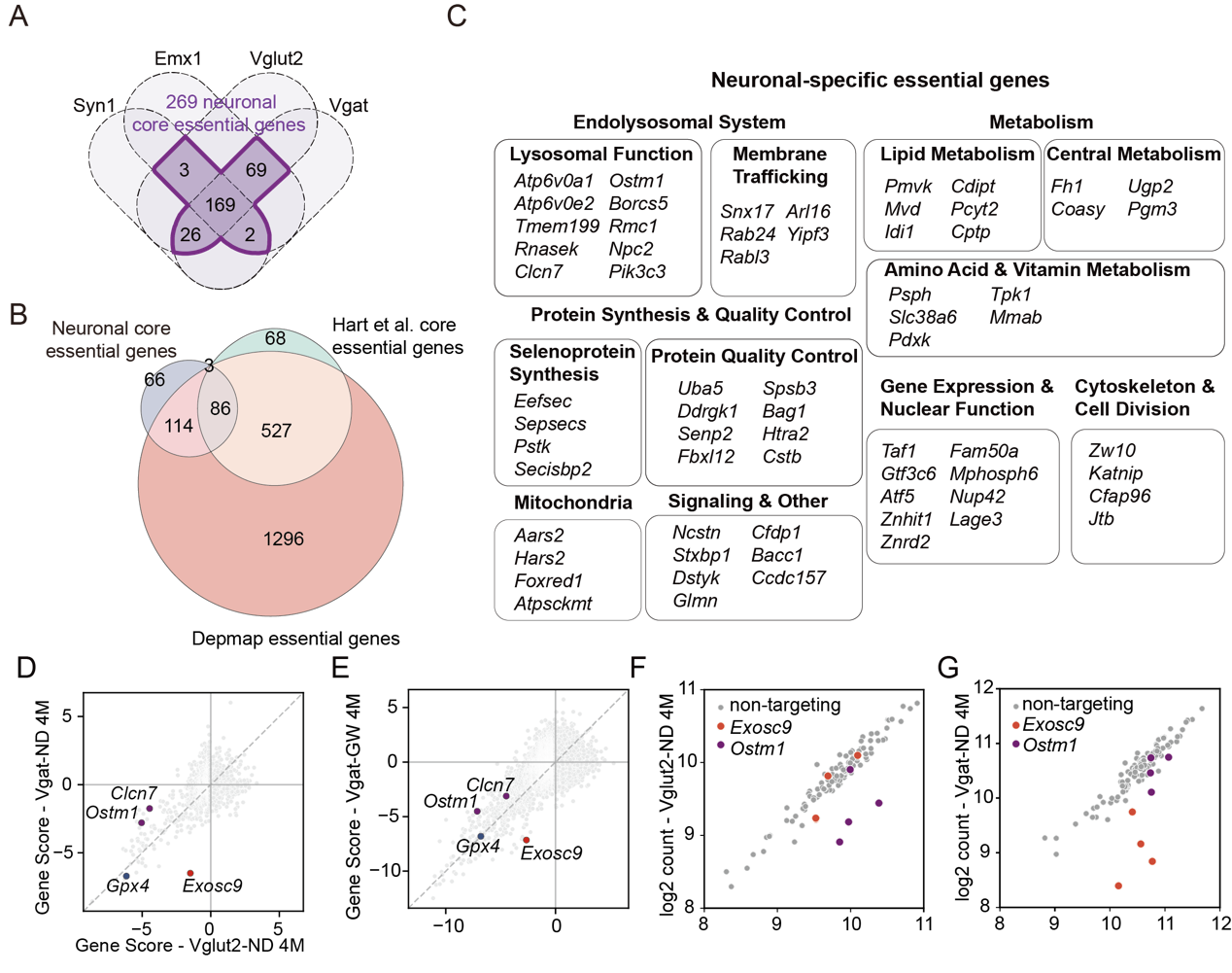
Figure 3. In vivo CRISPRi screening in mouse brains to identify neuron-essential genes and cell-type–specific vulnerability factors
One major advantage of in vivo screening over in vitro systems is that it allows researchers to directly study changes in gene function during physiological aging. The research team further extended genome-wide screening into the aging stage, conducting long-term screens in mice at 18 and 20 months. The results showed that as mice aged, neurons became more sensitive to gene function disruptions. At the same time, most of the essential genes identified in early screens still showed stable survival phenotypes during aging. The study identified a large number of aging-specific essential genes, significantly enriched in pathways like mitochondrial translation, oxidative phosphorylation, cytoplasmic translation, and ribosome biogenesis. When integrated with single-cell transcriptomic data from aging human brains, researchers found that 65 of these aging-specific essential genes were also differentially expressed in aging human brains, all downregulated with age and likewise focused on translation and mitochondrial-related functions. These findings suggest that as mitochondrial function and protein synthesis gradually decline during aging, neurons may struggle more to cope with further disruptions to these basic cellular processes.
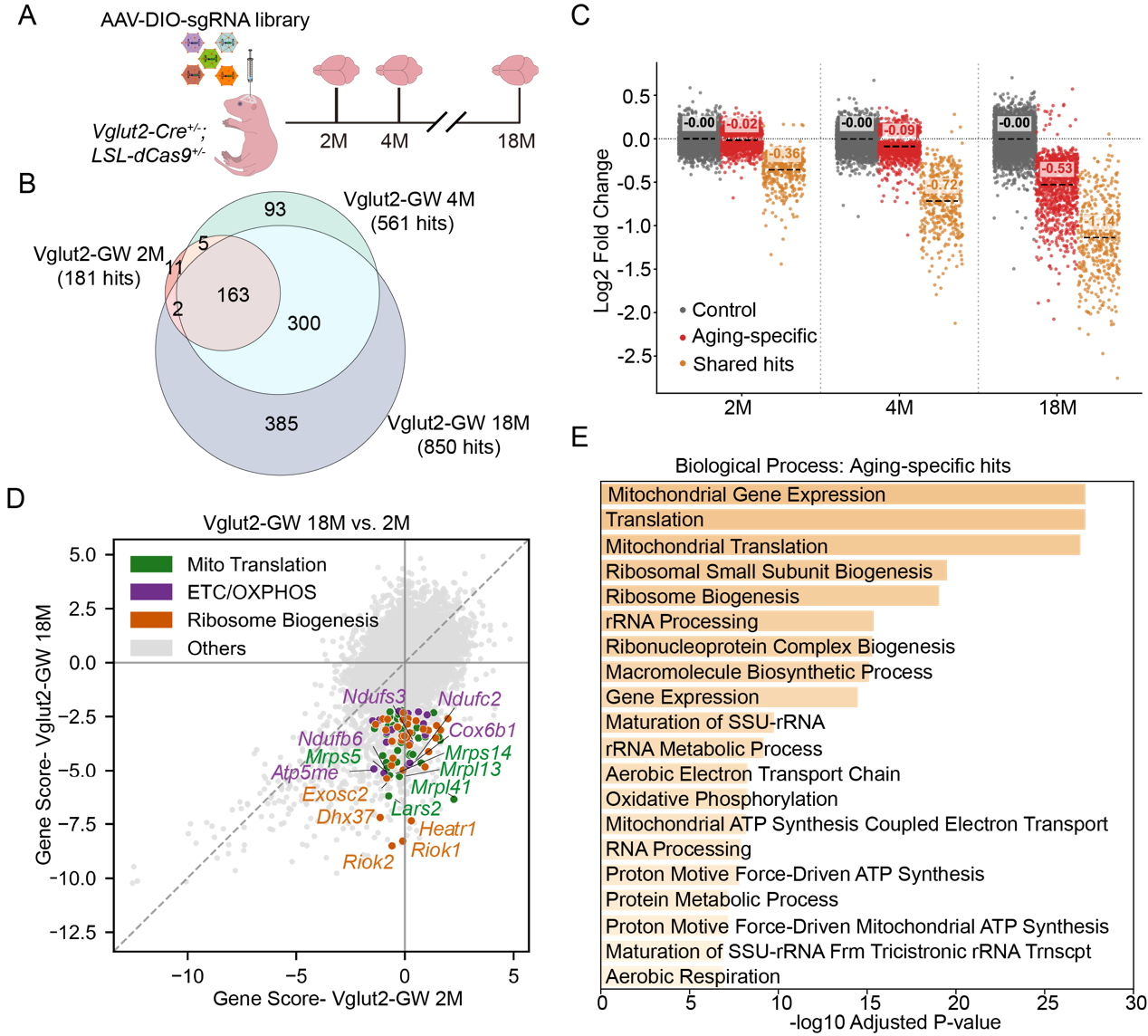
Figure 4. Aging-specific essential genes are significantly enriched in mitochondrial and cytoplasmic translation-related pathways.
To make it easier for researchers to further use these in vivo screening data, the research team also established the CRISPRinvivo online data platform. This platform integrates the brain CRISPR screening results from this study along with some previously published in vivo screening data.
Overall, this study established a system for genome-wide, cell type-specific in vivo CRISPRi screening in the intact mouse brain. From multiple aspects, including core neuronal essential genes, cell type specificity, and aging-related changes, the results provide an initial in vivo map of neuronal gene function and selective vulnerability.
In the future, this platform can be further expanded to various cell types such as dopaminergic, cholinergic, motor neurons, and glial cells. Combined with disease models, inducible perturbation systems, single-cell and spatial omics, it could gradually help build a more complete map of gene function in the brain.
Assistant Professor Ruilin TIAN from the School of Medicine at SUSTech is the corresponding author, and PhD student Risheng LIN is the first author, and SUSTech is the first affiliation on the paper. Master’s student Zeting KE, PhD student Jianhui WANG, postdoc Tianzi WEI, visiting student Lifu ZHANG, and undergraduate Yitong FANG all made significant contributions to the study.
Paper Link: https://www.cell.com/neuron/abstract/S0896-6273(26)00615-X
Proofread ByNoah Crockett, Junxi KE
Photo ByYan QIU