The research team led by Chair Professor Xin YANG from the School of Environmental Science and Engineering at the Southern University of Science and Technology (SUSTech) published a paper in Science Advances, titled “Reduced Organic Nitrogen Compounds Dominate the Toxicity of PM2.5 Organics Following Internal Exposure.” The study identified Reduced Organic Nitrogen (RON) compounds as the largest contributors to the predicted multi-organ toxicity of the internal-exposure fraction of PM2.5 organics, accounting for 39% of the total. These findings highlight a previously overlooked group of organic pollutants and provide new insights into the health risks of atmospheric particles.
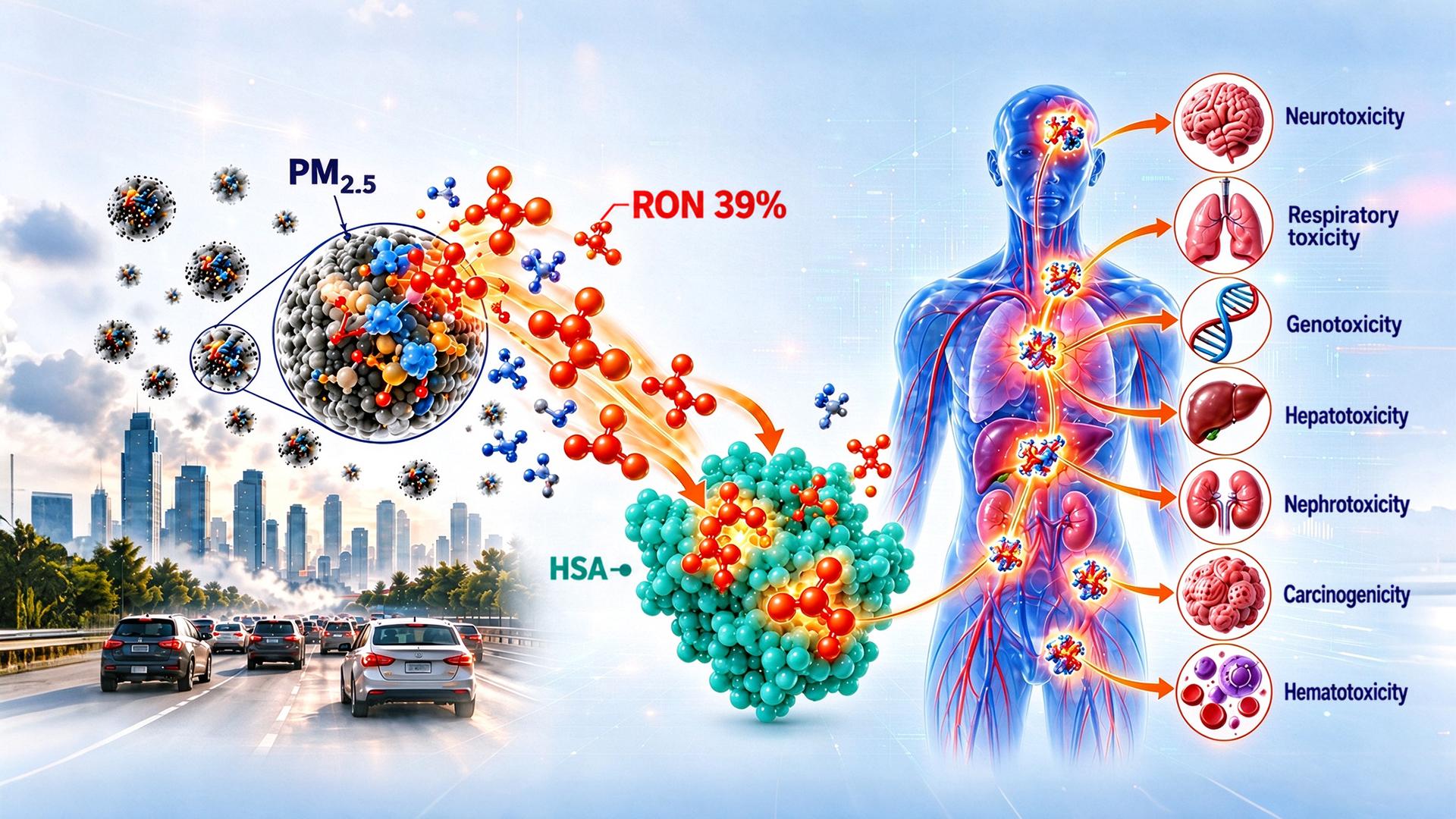
Fine particulate matter (PM2.5) remains a major global health concern. Although air pollution control has traditionally focused on reducing particle concentrations, thousands of organic compounds within PM2.5 remain poorly understood, particularly regarding their potential to enter the human body and affect multiple organs.
The team collected 170 PM2.5 samples over one year and conducted comprehensive molecular profiling using four complementary high-resolution mass spectrometry modes. The analysis detected 11,843 molecular features and characterized the structures of 2,221 organic compounds. Oxygen-containing compounds dominated in molecular diversity; RON compounds represented a substantial fraction of the estimated organic concentration despite their relatively limited molecular diversity (Figure 1).
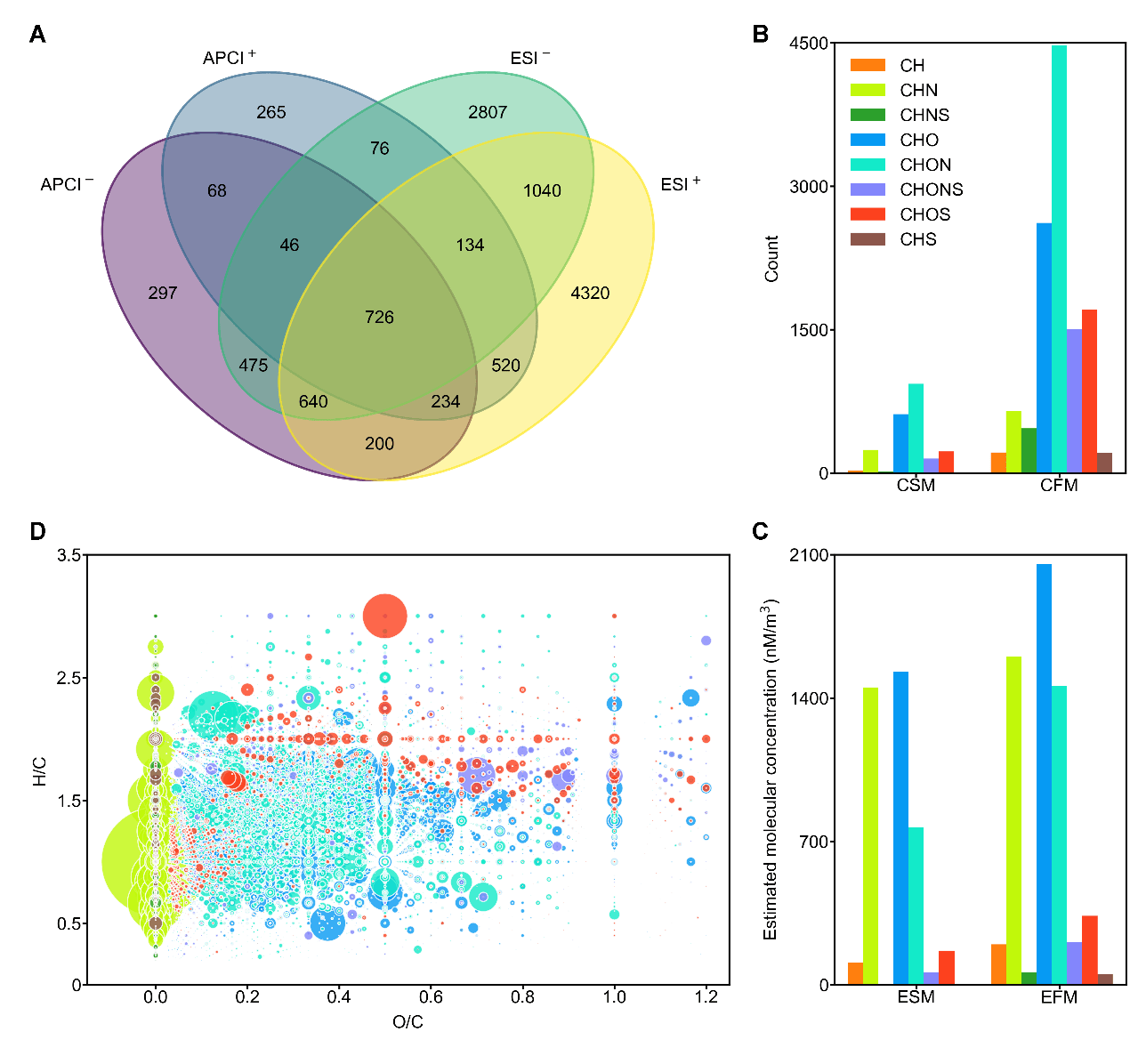
Figure 1. Molecular characteristics of PM2.5-bound organics
The health risks of PM2.5 organic compounds depend not only on their toxicity but also on their ability to enter the body and reach target tissues. To assess their potential for internal exposure, the researchers examined the interactions between particle-bound organics and human serum albumin (HSA), an important transport protein in blood. RON compounds exhibited the strongest average binding potential among the molecular classes, suggesting their potential for systemic transport and distribution (Figure 2).
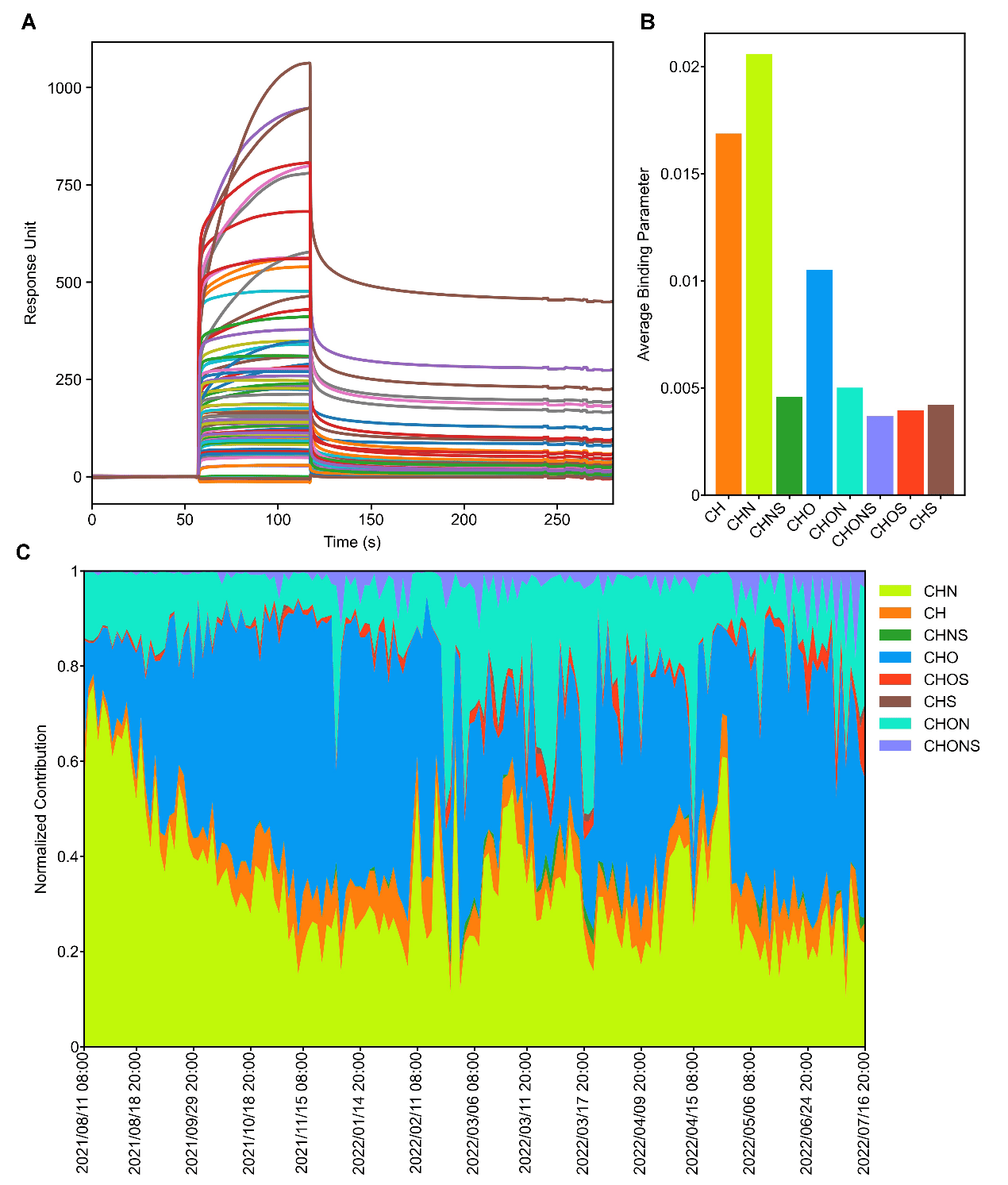
Figure 2. Internal exposure potential of organic molecules.
The researchers further evaluated 2,221 organic compounds for seven toxicity endpoints, including respiratory toxicity, genotoxicity, neurotoxicity, nephrotoxicity, carcinogenicity, hepatotoxicity, and hematotoxicity. RON compounds emerged as the largest contributors to overall predicted multi-organ toxicity, accounting for 39% (Figure 3). In vitro experiments using five human cell lines further supported the predicted differences in toxicity, revealing more severe cellular damage and oxidative stress responses among selected high-risk compounds (Figure 4).
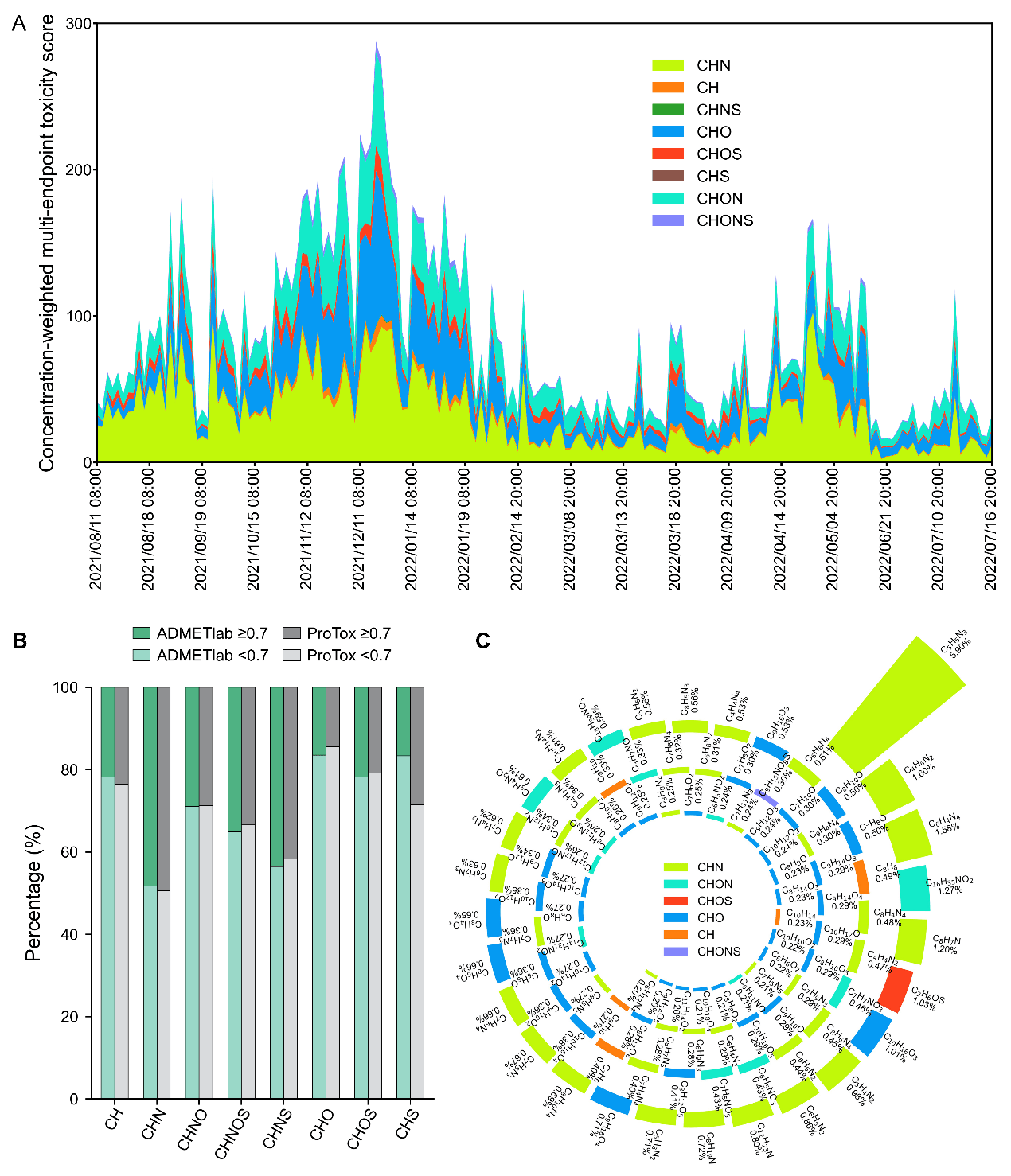
Figure 3. Toxicity characteristics of particle-bounded organic molecules.
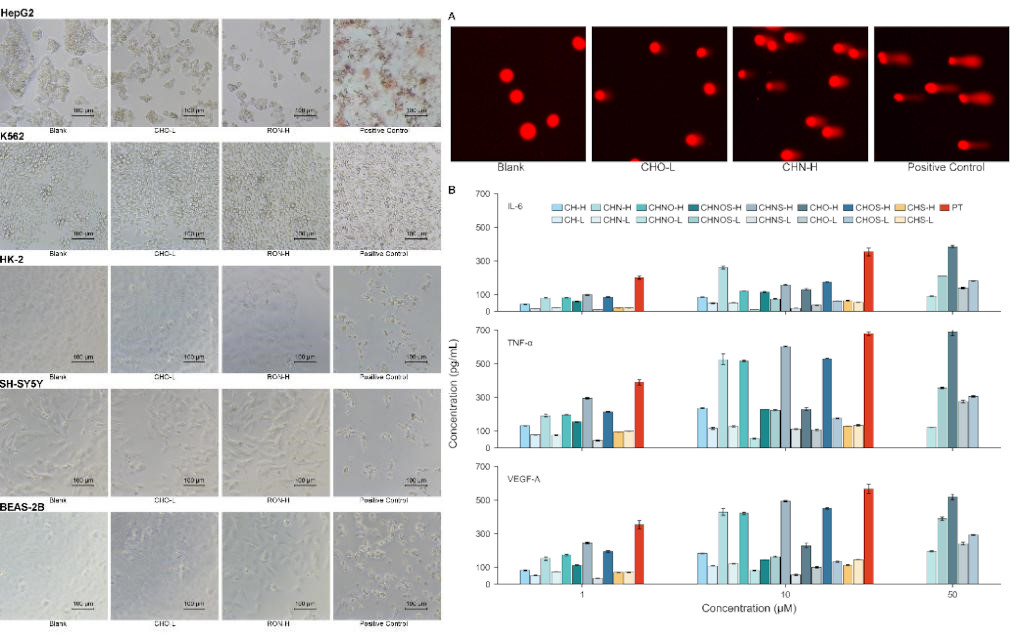
Figure 4. Experimental Validation of PM2.5 Organic Compounds Toxicity in cellular models
Further molecular analysis revealed that the toxicity of RON compounds was closely associated with their physicochemical properties, particularly molecular density, basicity, and hydrogen-bonding capacity. These characteristics may influence their interactions with biological molecules and contribute to their diverse toxicity profiles (Figure 5).
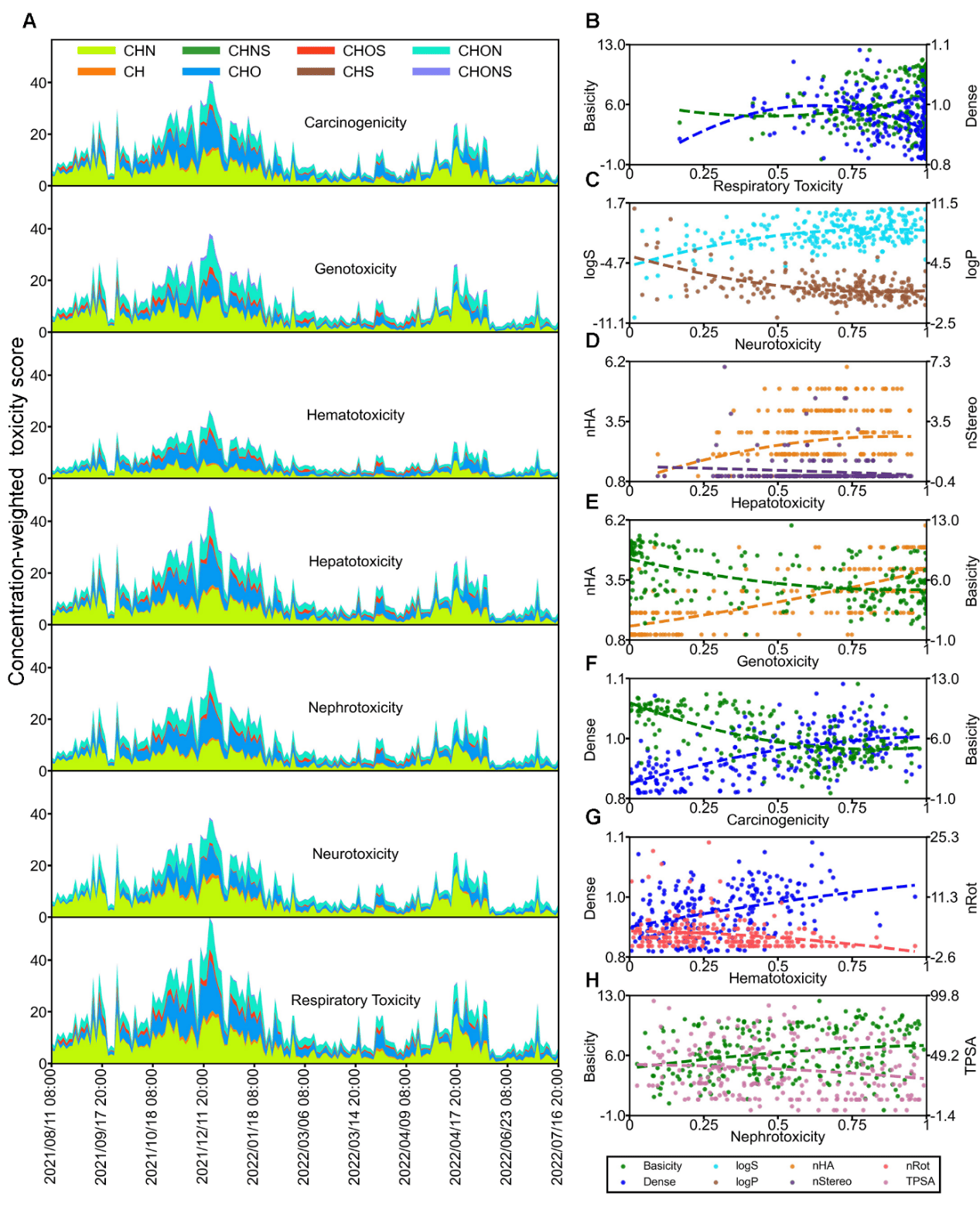
Figure 5. Contributions of molecular groups to seven toxicological endpoints and their associations with physicochemical properties.
This study highlights the importance of looking beyond PM2.5 mass concentrations to identify the chemical components responsible for potential health risks. The findings provide a molecular basis for more targeted air pollution monitoring and health-oriented pollution control strategies.
Research Associate Professor Yaling ZENG from the School of Environmental Science and Engineering at SUSTech is the first author of the paper, and Chair Professor Xin YANG is the corresponding author. The study was jointly conducted by the Atmospheric Science team at SUSTech and the team led by Professor Zhenxing SHEN at Xi’an Jiaotong University. SUSTech is the first corresponding institution.
Proofread ByNoah Crockett, Junxi KE
Photo By